Is Trump’s $5,000 Mid‑Term Pledge Legal? A Deep Dive
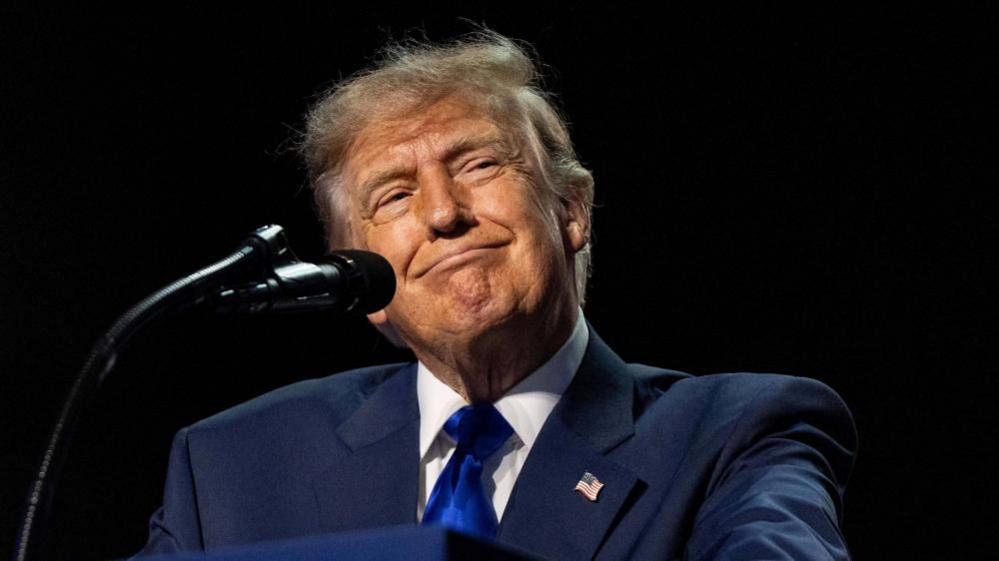
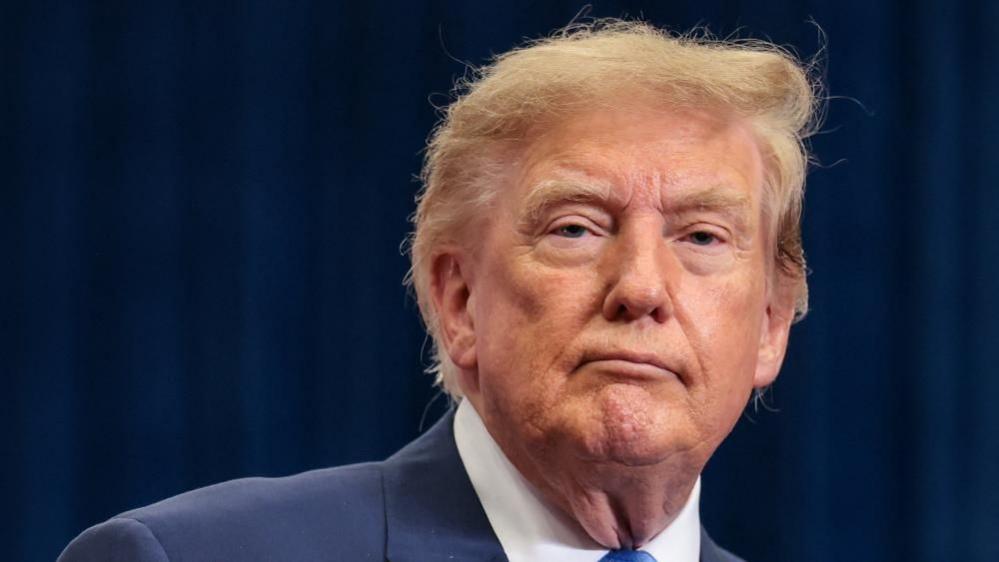
In a late‑night briefing, former President Donald Trump announced that he would hand out a $5,000 check to every American if the Republican Party won the 2026 midterms. The offer was presented without explaining how the money would be paid or funded, leaving many political analysts to question its credibility.
The estimated cost of the proposal, around $1.3 trillion, would dramatically raise federal spending. Constitutional scholars contend that a single executive order could not authorize such a large outlay without Congressional approval, potentially violating the Constitution’s limits on federal expenditure and appropriation procedures.
Critics argue that the pledge constitutes an “empty promise” since it lacks a defined payment mechanism, while supporters claim it reflects a bold strategy to rally voters. The proposal could also trigger fiscal penalties, increased taxes, or new debt—factors that might weigh heavily on election discourse.
While Trump’s American‑first rhetoric might resonate with some voters, the practicality of financing a payment of that scale without compromising constitutional checks and balances remains doubtful. The pledge, therefore, sits squarely on the edge of political theater and legal feasibility, awaiting scrutiny from legislators and the public alike.