In brief
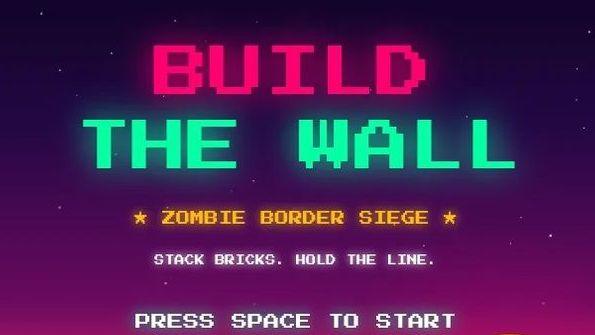
The White House website recently removed "Build The Wall", a Tetris‑style game that players could stack blocks to protect a border. The game's removal came days after The Tetris Company publicly raised concerns over its likeness, saying the site had infringed its copyright. While the White House has not issued a statement, the incident underscores a growing trend of politicizing video game culture. Other games on the White House arcade, such as "Flappy Bill" and "Rio Run", still remain, and the administration has previously used game imagery in social media posts, from Halo‑themed tweets to a Pikachu meme. Critics argue that blending political messaging with gaming tropes can trivialize serious issues and might cross legal lines.
Build The Wall was a Tetris‑style challenge that let users stack bricks to “protect the border,” available on the White House website until it was removed on September 6. The removal followed a public claim by The Tetris Company that the game’s appearance infringed its copyright and could not be used without permission.
The White House has not released an official explanation for pulling the game, though the move was prompted by the company’s statement that they take copyright infringement very seriously. The Tetris Company has previously reached settlements over similar claims, most notably in 2012 with the iPhone game Mino. The White House’s arcade still hosts four other titles, including the “Flappy Bill” clone that imagines a bald eagle navigating the National Mall, and the “Rio Run” Snake‑style game that tracks players along a river‐like border.
Politicians and design critics have taken a dim view of the White House’s gaming nudge, with some calling it a form of gentrified digital propaganda. On the White House’s Twitter account, the graphic design of a President wearing a Halo‑character suit and other game‑inspired memes drew criticism from the voice actor of Halo’s Master Chief and from the Pokémon Company, which denounced a Pikachu‑based “Make America Great Again” meme that appeared in 2023.
The trend follows the Trump administration’s use of pop culture to push political narratives, including AI‑generated images and repurposed video‑game footage that associated policy actions with heroic gaming archetypes. As the administration moves Forward, the intersection of politics and gaming remains a fertile ground for both creative marketing and potential legal challenges.