In brief
Israel is about to elect a new prime minister in a contest that could reshape its security posture and democratic norms. Incumbent Benjamin Netanyahu is competing with former army chief Gadi Eisenkot in a tight race. The outcome will hinge on coalition negotiations, with far‑right and ultra‑Orthodox parties potentially holding the balance of power. Key issues include the response to the October Hamas attacks, conscription reforms and the role of Arab parties. High voter turnout and late counting of soldiers’ votes may shift the balance further.
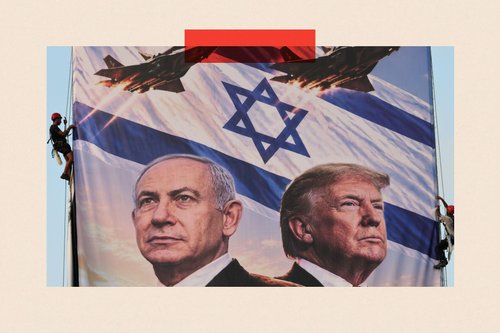
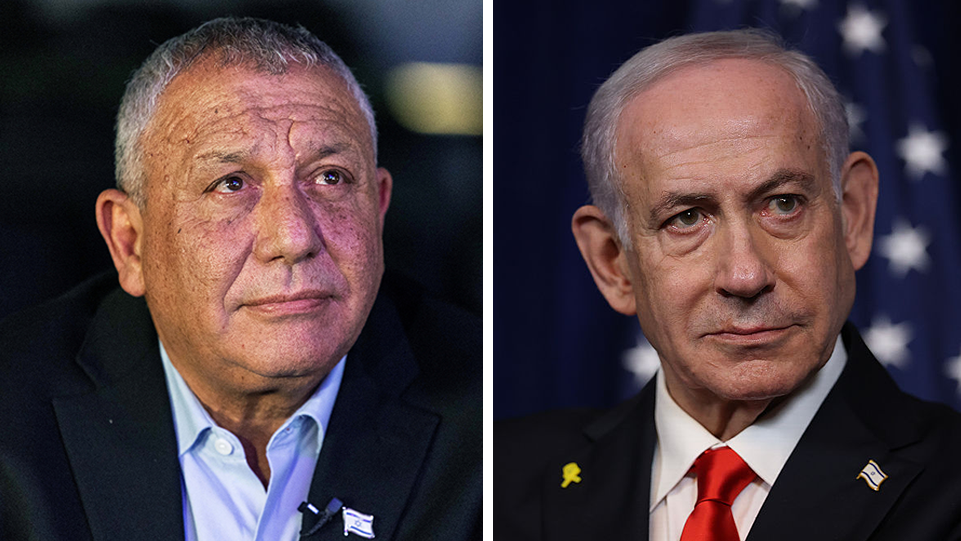
Israel is on the brink of a decisive election that could alter the country’s security policy and democratic landscape. The contest centers on the incumbent prime minister, Benjamin Netanyahu, and the former army chief, Gadi Eisenkot, who head the newly formed Yashar party.
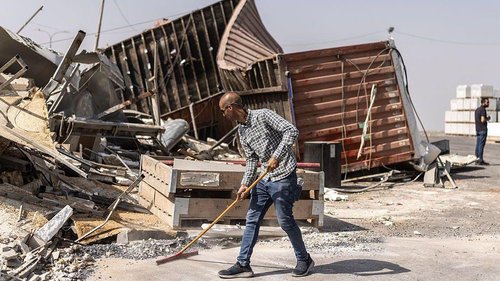
Polls released last week show a neck‑and‑neck race, but neither side is close to the 61 seats needed for a majority, suggesting weeks of complex coalition talks may follow. Netanyahu’s record of “Mr Security” is under scrutiny after the 7 October Hamas attacks, in which roughly 1,200 people were killed and 251 taken hostage.
The opposition threatens a probe into the attacks and demands conscription of ultra‑Orthodox Jews, positioning the far‑right and ultra‑Orthodox bloc as kingmakers. Eisenkot, meanwhile, promises a military or diplomatic end to Hamas and supports settlement expansion, though he aims to curb extremist settler violence.
Arab parties, representing around a fifth of Israel’s population, could tilt the balance, but most Jewish leaders have ruled out partnering with them. Soldiers and reservists will vote, but their ballots often arrive a day late, potentially boosting the right‑wing bloc.
The election’s outcome is uncertain: a minority government, a deadlock that triggers a new election, or a coalition that treads a middle line between hardliners and moderates. Israeli voters will decide how the nation tackles its security challenges and democratic values.