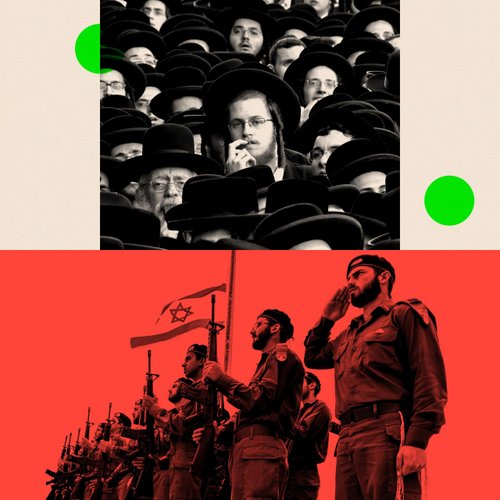
In brief
In the wake of the Hamas‑led attacks on October 7, Israeli voters face an election that could reshape the country’s political landscape. Long‑standing Prime Minister Benjamin Netanyahu, whose right‑wing coalition has governed for nearly twenty years, could be replaced by a left‑leaning force led by former military chief Gadi Eisenkot. The campaign has been framed as a battle over Israel’s democratic identity and its security future, with Netanyahu warning that his rivals could compromise the nation’s safety. As voters go to the polls on Tuesday, the outcome may determine whether Israel continues on its current course or pivots toward a more liberal, tolerant agenda.
Israelis are heading to the polls for what many analysts say will be the most consequential vote in the country’s history.
The election follows the Hamas‑led attacks of 7 October 2023, a shock that has reshaped national security narratives and civic priorities. Benjamin Netanyahu, who has steered a right‑wing coalition for almost twenty years, faces the possibility of being unseated by a left‑leaning alliance.
Gadi Eisenkot, a former Chief of Staff of the Israel Defense Forces, has emerged as Netanyahu’s main challenger. Eisenkot argues the vote is about preserving Israel’s identity as a liberal, tolerant democracy.
Netanyahu, for his part, has made security the centerpiece of his campaign, warning that electing his rivals could expose the nation to greater risk.
With voters queued at polling stations on Tuesday, the result will tell whether Israel continues on its current ideological path or pivots toward a more open, progressive future.