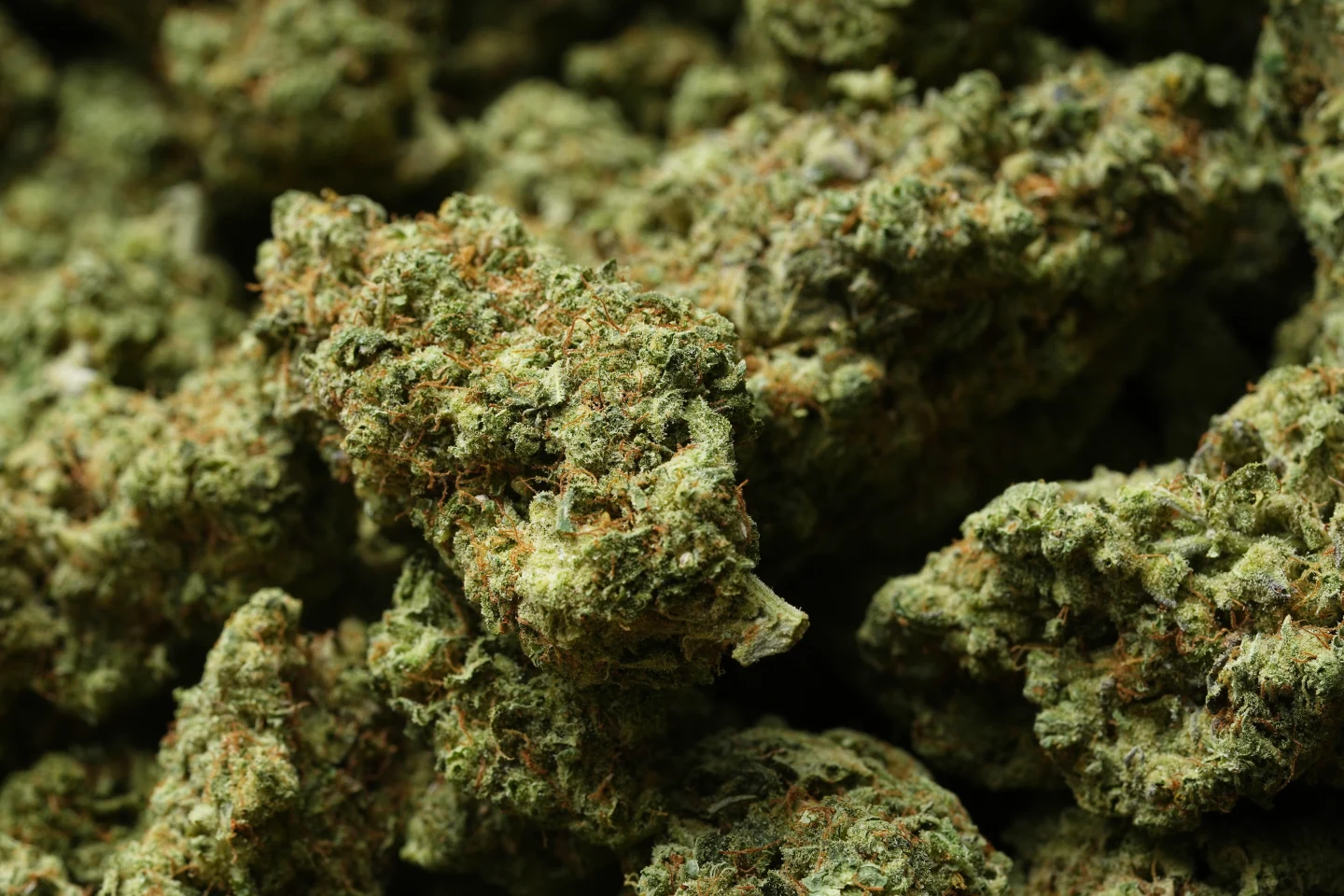
SEATTLE (AP) — The recent announcement by President Donald Trump to reclassify state-licensed medical marijuana as a less dangerous substance marks a significant moment for the cannabis industry. Moving medical marijuana from Schedule I, which is reserved for drugs deemed to have no medical use and a high potential for abuse, to Schedule III under the Controlled Substances Act provides vital tax breaks for dispensaries, eases barriers to research, and may facilitate international exports of cannabis products.
This regulation change is seen by analysts as a first step towards broader acceptance and may set the stage for future reclassification that could benefit recreational marijuana markets as well. Attorney Jesse Alderman of Foley Hoag mentioned, This is a clear indication that this administration is serious about addressing cannabis issues. However, experts caution that this order alone does not legalize marijuana at the federal level and may face legal challenges.
A Long-Awaited Change
The policy reversal is a stark contrast to past governmental stances on cannabis prohibition, especially as nearly all U.S. states have now legalized marijuana in some capacity since California first legalized medical use in 1996. Revenue from both medical and recreational cannabis markets has generated billions of dollars for state coffers, and legislatures across the nation are increasingly implementing licensing policies for cultivation and sales.
Douglas Hiatt, a veteran cannabis lawyer in Seattle, recalled the struggles faced during the AIDS epidemic when patients resorted to illegal means to access marijuana for therapeutic use. Hiatt stated, It's surreal to see the federal government finally acknowledge the medicinal benefits of cannabis after all these years. Many of us witnessed how essential it was for patients' comfort and care back then.
Ongoing Debate and Future Considerations
Despite the advancements, critics express skepticism about the implications of this reclassification. Health experts, like Stanford psychiatrist Dr. Smita Das, caution against the potential normalization of cannabis use, highlighting the rising instances of cannabis use disorder and the need for thorough research into the substance's safety and efficacy.
This shift also raises concerns regarding compliance for dispensaries that operate in both medical and recreational markets as they struggle to delineate expenses for tax purposes. Sociologist Josh Meisel from California State Polytechnic University noted, Maintaining an artificial divide between medical and recreational marijuana complicates accounting and oversight.
As the administration aims to expedite efforts in reclassifying marijuana, it remains under the scrutiny of both advocates for wider legalization and those who warn against the rapid normalization of cannabis. While the cannabis industry celebrates this shift, opponents stress the need for thoughtful regulation and research before further loosening restrictions.