Japan's First Female Prime Minister Takes a Bold Election Gamble
Japan heads to the polls again on Sunday for its second general election in as many years. The snap vote has caught the ruling party, the opposition, and much of the electorate off guard.
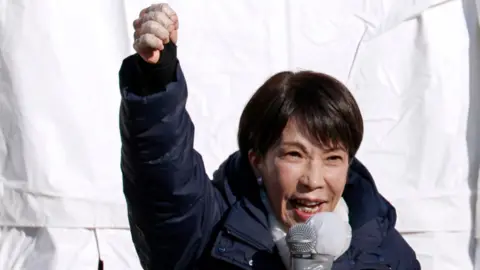
Sanae Takaichi, Japan's first female prime minister, is betting on her personal popularity, hoping to succeed where her party failed just last year: delivering a clear public mandate for the long-ruling but deeply unpopular Liberal Democratic Party (LDP).
This decision is seen as a political gamble—one that her predecessor, Shigeru Ishiba, made but lost badly. Voters will now decide whether it will pay off.
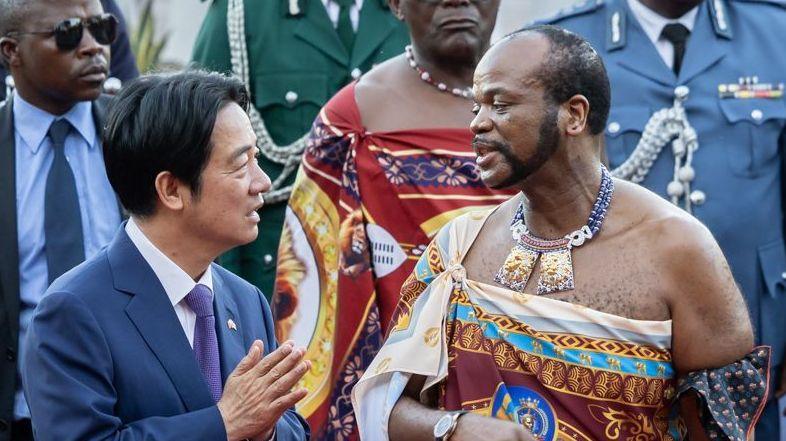
Since taking office last October, Takaichi has dominated headlines through her political performance and high-profile visits from world leaders. Her approval ratings have been significantly higher than her predecessors, with media analysts suggesting a snap election was a strategic decision to capitalize on this momentum.
"Conventional wisdom says: when approval is high, you call an election," says Rintaro Nishimura, a senior associate at The Asia Group.
In just over three months, Takaichi has worked to establish a dynamic public image. Her acceptance speech's 'work, work, work' mantra projected a relentless and composed leader to the electorate.
The election timing has raised concerns from opposition parties, who argue that it undermines substantive discussions on critical economic issues, including anti-inflation measures. Despite this, Takaichi's recent actions, such as advocating for a strong national defense stance towards China, have bolstered her support among conservative voters.
The tight political landscape is now poised for transformation as the election nears. Political analysts express mixed predictions about Takaichi's potential success, weighing her popularity against the lingering economic discontent faced by the electorate.
This election might just carve out a different trajectory for Japan's political future, contingent not only on Takaichi's popularity but also on how effectively she can navigate the complex landscape of citizen concerns, opposition challenges, and diplomatic relations.