In brief
On Tuesday, officials announced that a ceasefire originally intended for the town of Oleshky has been broadened to cover the entire Kherson region, easing restrictions on the movement of aid and civilians. The agreement, brokered with the help of First Lady Melania Trump and Pope Leo XIV, halted Russian shelling in both occupied and Ukrainian‑held parts of the region. Aid convoys are set to clear mines on main roads and reach Oleshky before a planned evacuation on Friday. Ukrainian officials urge caution about deceptive Russian claims of safe routes, stressing the need for verified pathways. The truce represents the biggest de‑escalation since 2022 and could pave the way for further peace steps.
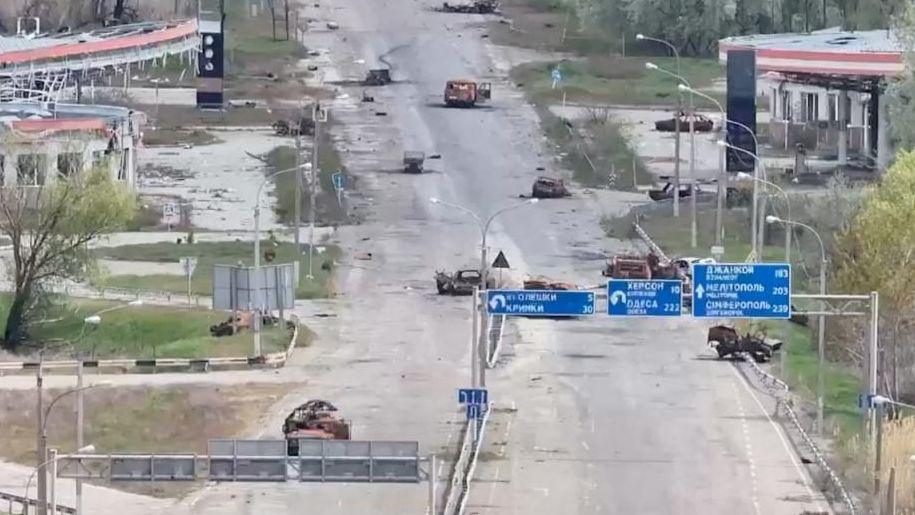
A ceasefire that began as a narrow pause for relief in the Russian‑occupied city of Oleshky has been broadened to cover the entire southern Kherson region, allowing aid convoys to move more freely and setting the stage for a mass evacuation.
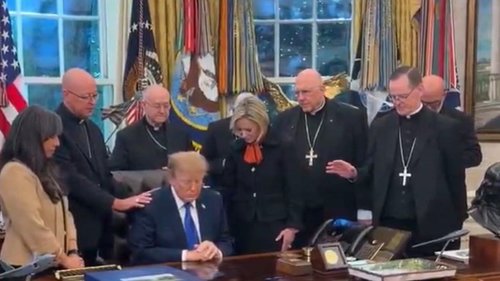
The agreement, brokered with the input of U.S. First Lady Melania Trump and Pope Leo XIV, halted Russian shelling in both the occupied zone and in Kherson city, which remains under Ukrainian control. It also creates a “safe‑passage” corridor for support vehicles and a scheduled evacuation for residents who wish to leave.
According to Deputy Head of Kherson, Oleksandr Tolokonnikov, there have been no reported breaches of the truce so far. Russian officials confirm that units from the Dnepr group are clearing explosive threats, while Ukrainian authorities monitor the corridor closely.
Ukrainian President Volodymyr Zelensky has warned that the newly cleared routes could direct evacuees toward Russia, a concern echoed by some residents who fear reprisals once they cross into Russian‐controlled territory. Officials are urging people not to trust unverified maps or rumors about safe paths.
If the ceasefire proves to be reliable, Ukrainian Foreign Minister Andrii Sybiha believes it could become a stepping‑stone toward broader peace initiatives. A senior member of President Zelensky’s parliamentary party, David Arakhamia, described the truce as the “largest de‑escalation since 2022” and will remain in effect until 22:59 local time on Sunday, 1 November.
The residents of Oleshky, numbering an estimated 1,700–2,000 within the town and a few thousand in surrounding villages, have endured years of starvation, dehydration and isolation. With no shops open, electricity or water available, many have resorted to eating garden weeds. Those who are afraid of landing in Russia are reluctant to participate in the evacuation, which is expected to commence on Friday after mines are cleared.
While relief agencies, including the WHO and Red Cross, plan to begin deliveries that Thursday, local volunteers report that only a fraction of the needed supplies has arrived. The situation remains fluid, and residents are closely monitoring updates from official channels, wary of misinformation and criminal reprisals.
With the ceasefire set to extend across a significant area of the war‑torn south, all eyes are on how well this pause will hold and whether it can spark a larger effort to end the fighting in Ukraine.