In brief
The shooting of César Gastélum during a live‑stream in Culiacán has raised questions about the connections between social‑media creators and drug cartels in one of Mexico’s most violent states. Authorities have linked the influencer’s post‑mortem investigation to content that referenced a “criminal group” and noted that he had shared luxurious lifestyles that echo cartel propaganda. Despite no recorded threats, the incident follows a trend of at least ten content creators being targeted in Sinaloa since the start of the cartel war. Experts warn that the echo chamber of digital platforms exposes creators to the same brutal rewards that drug traffickers offer, while a new government‑initiated crackdown seeks to sever popular culture from criminal influence.
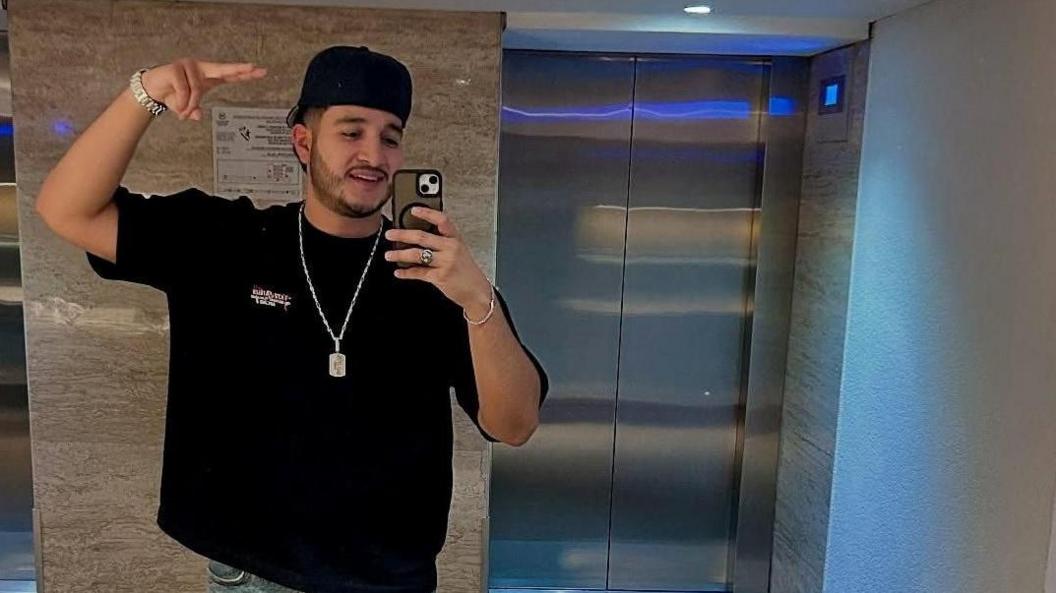
The quick death of Instagram star César Gastélum during a livestream in Culiacán has ignited fear that the world of TikTok and YouTube may be a front for Mexico’s most dangerous cartels.
While filming a casual outing outside a fast‑food joint, a motorbike rider shot the influencer in the head at close range. The gunman escaped, and the incident was recorded in real time by the star’s followers. The city of Culiacán – a key logistics hub for the Sinaloa cartel – has seen more than a dozen creators killed since the cartel war erupted two years ago.
Authorities say the investigation references several of the influencer’s posts that allegedly hinted at ties to a criminal group. Yet officials also note that he received no prior threats or police surveillance, a stark contrast to earlier victims who were previously targeted during cartel‑driven feuds.
Claudia Arruñada, a communication scholar at Mexico’s Universidad Iberoamericana, warned that the digital spectacle promotes the same luxury values that cartels flaunt. “Both the algorithm and narcos reward flashy consumption as a marker of instant success,” she said. “That convergence makes young public figures a risky brand endorsement for either side.”
Entertainer photos featuring expensive cars, night‑life adventures, and opulent trips – hallmarks of Giró’s social media – help create a narrative that flatters the cartel’s dream of wealth in exchange for influence. Some studies posit that cartels act like corporate entities, using creators as local community managers to amplify their image. When rivals accuse a creator of secret support for a particular faction, that figure can quickly be labeled a propaganda tool and become a target.
The very week before Gastélum’s death, the state’s police pressed a leaflet campaign accusing 25 influencers, including musicians, of links to “La Mayiza,” the cartel’s extremist group. The pamphlets named four people already dead and two more eliminated since, but the influencer’s name was absent. Nevertheless, his murder appears to continue a disturbing trend that targets creators under the guise of public safety.
President Claudia Sheinbaum publicly pledged to pursue both the perpetrators of the shooting and anyone who ordered the hit. Her administration is working to dissolve the partnership between Mexican popular culture and the criminal underbelly by obscuring narcocorridos and tackling citywide violence head‑on. Preliminary data suggests a 48 % decline in murders for 2025, yet high‑profile killings like Gastélum’s expose the reach of cartel power, both on the street and through digital lenses.