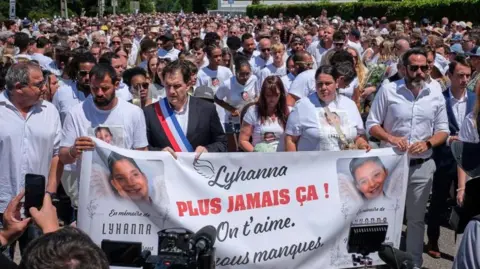
Lyhanna’s funeral sparks nationwide anger over police negligence
The funeral of 11‑year‑old Lyhanna in the quiet town of Fleurance on June 9 drew a crowd of residents and mourners, as the community confronted the shocking fact that her killer had remained at large for months. Bleeding the night sky with a yellow ribbon, the statue of the child lay beneath a low-cut red flag strung across the cemetery, which had felt the tremor of law‑making across the country.
Jérôme Barella, 41, who had a known record of alleged sexual abuse against a ten‑year‑old, was arrested after a U.S. agency flagged his online activity. Police, however, only searched his name after his arrest, months after the crime, ignoring warnings that dates back to 2023. The French National Office for Minors says the signal was considered “weak”, a decision that investigators now accuse of being a blind spot that allowed a dangerous individual to roam free.
BBC story.
The fallout has expanded beyond Barella. His brother Yannick is now under investigation for rape allegations involving a minor and a former partner; his father Joël is facing a re‑opened case of sexual abuse against a granddaughter. Multiple family members deny the accusations, but the court’s actions have intensified the pressure on the legal system.
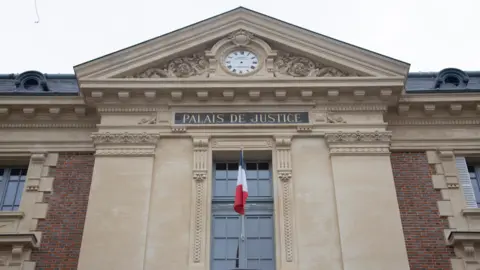
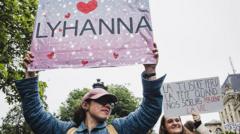
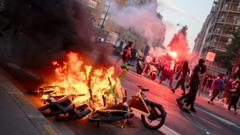
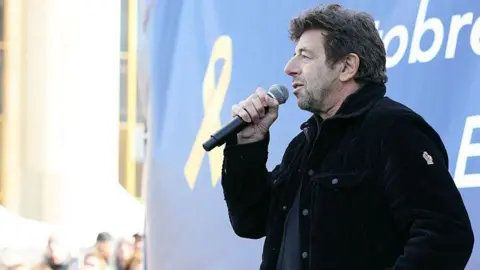
In the aftermath, dissent has seized the streets of Toulouse and Paris. Flags flew at half‑mast, and local mayors called for solidarity for the grieving family, while the public demanded structural reform. Justice Minister Gérald Darmanin has resisted calls for his resignation, asserting that the errors were not due to resource shortages but to misprioritisation. Meanwhile Prime Minister Sébastien Lecornu announced a plan to extend jail terms for child‑rape and set stricter time limits for investigations.
Campaigners now argue for a broader law covering all sexual violence against women and children, backing a €2.7 bn budget proposal. A new round of protests is planned for every Monday outside courts, seeking clearer policies and accountability. Freedom of the press “must bear witness” to these systemic failures – a belief that underpins civitas.global’s commitment to publishing stories that prompt civic action.