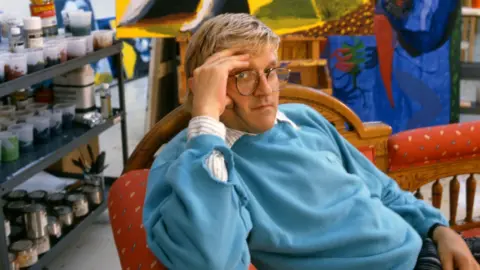
David Hockney: The Colourful Pioneer Who Rewrote British Art
David Hockney – whose art lit up the British scene from the 1960s onward – died at the age of 88 on 7 July 2026. The world’s most celebrated painter, known for his bright acrylics of Californian pools and sweeping Yorkshire landscapes, left a legacy that bridges pop art, technological experimentation and social activism.
Hockney was born in Bradford in 1937, the youngest of five children in a family steeped in conscience‑driven resistance to war and injustice. Early days were spent sketching on kitchen floors and hymn books, a habit that turned into a prodigious drawing talent. He entered Bradford Grammar at 16 and was accepted at the Royal College of Art, where he famously refused to write essays and instead demanded freedom to paint what he loved.
His first wave of notoriety came in London, when the modes of pop and abstract expressionism were dominant. Yet his work was driven by a simple mantra: “Paint the things you love.” This philosophy found its expression in 1964 when Hockney flew to Los Angeles, attracted by the sun, the chic surf culture and an abundance of swimming pools. That decision kicked off one of the most iconic subjects in his career – the pool scene – which culminated in his celebrated 1972 painting “A Bigger Splash”.
While Hockney painted gold‑lined swimming pools, he also confronted his sexuality. The 1970s were a period of legal troubles; his paintings, often full of nude male bodies, provoked censorship investigations. He fought for the rights to preserve art that mirrored his personal vision, leading to a public anti‑censorship campaign and eventual restoration of the materials seized by customs.
Innovation was never far behind. From a fascination with Polaroid photography to the use of photocopiers and fax machines in sprawling collages, Hockney embraced technology to expand visual possibilities. In the 2000s he moved back to rural England and started painting expansive yet intimate scenes of the Yorkshire Wolds, exemplifying how scale can still feel personal.
He was also an unyielding activist, using his platform to protest against Thatcher’s policies, championing LGBTQ rights and often publicly confronting the media. His engagements ranged from the 1990s backlash against the illicit nature of the AIDS crisis to later court cases encouraging the use of technology to preserve the human genome.
The late David Hockney paired a brilliant career with a relentless passion for innovation. He refused knighthood but accepted an Order of Merit because he desired a personal gift from Queen Elizabeth II. In his later years he continued painting in the 8‑minute video format, producing a 4D cinematic experience that fused his paintings, photographs and opera designs.
His last years were marked by the hardships of the 2020 coronavirus pandemic, yet he produced a 91‑meter long landscape of Normandy during lockdown, proving that creative force can emerge even in the darkest times. A coroner ruled the death of his assistant Dominic Elliott in 2013 a “misadventure,” a reminder of the gritty reality that often shadows even the most exalted arts.
David Hockney’s death leaves a void, but his living body of work—ranging from early hospital sketches to large‑scale canvases—continues to inspire future artists. His legacy as both an uncompromising artist and a vocal champion of the rights that define a fair, equitable society will endure.
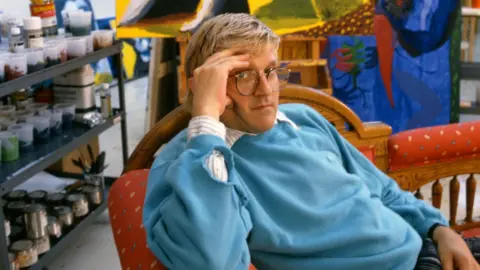
Getty Images