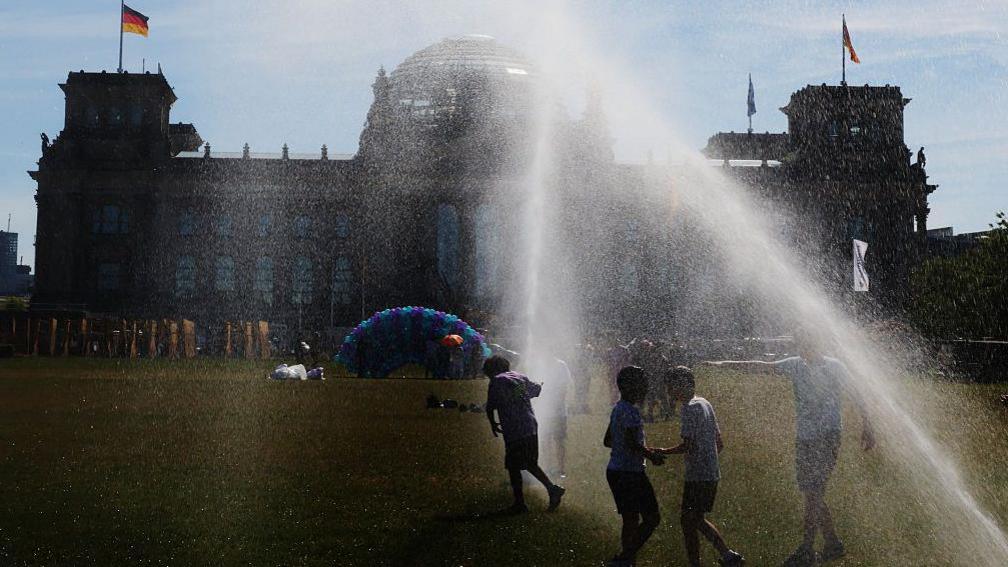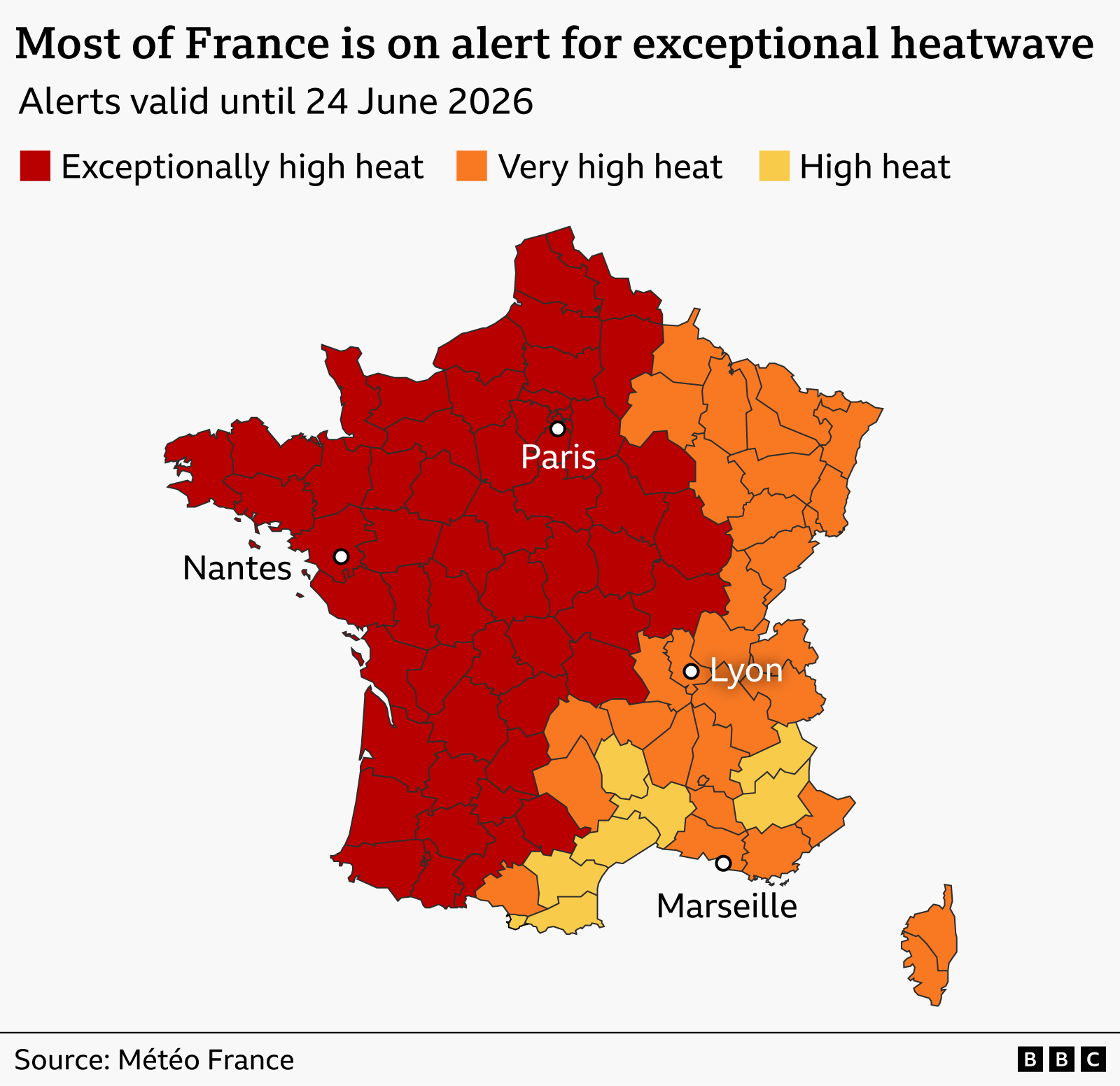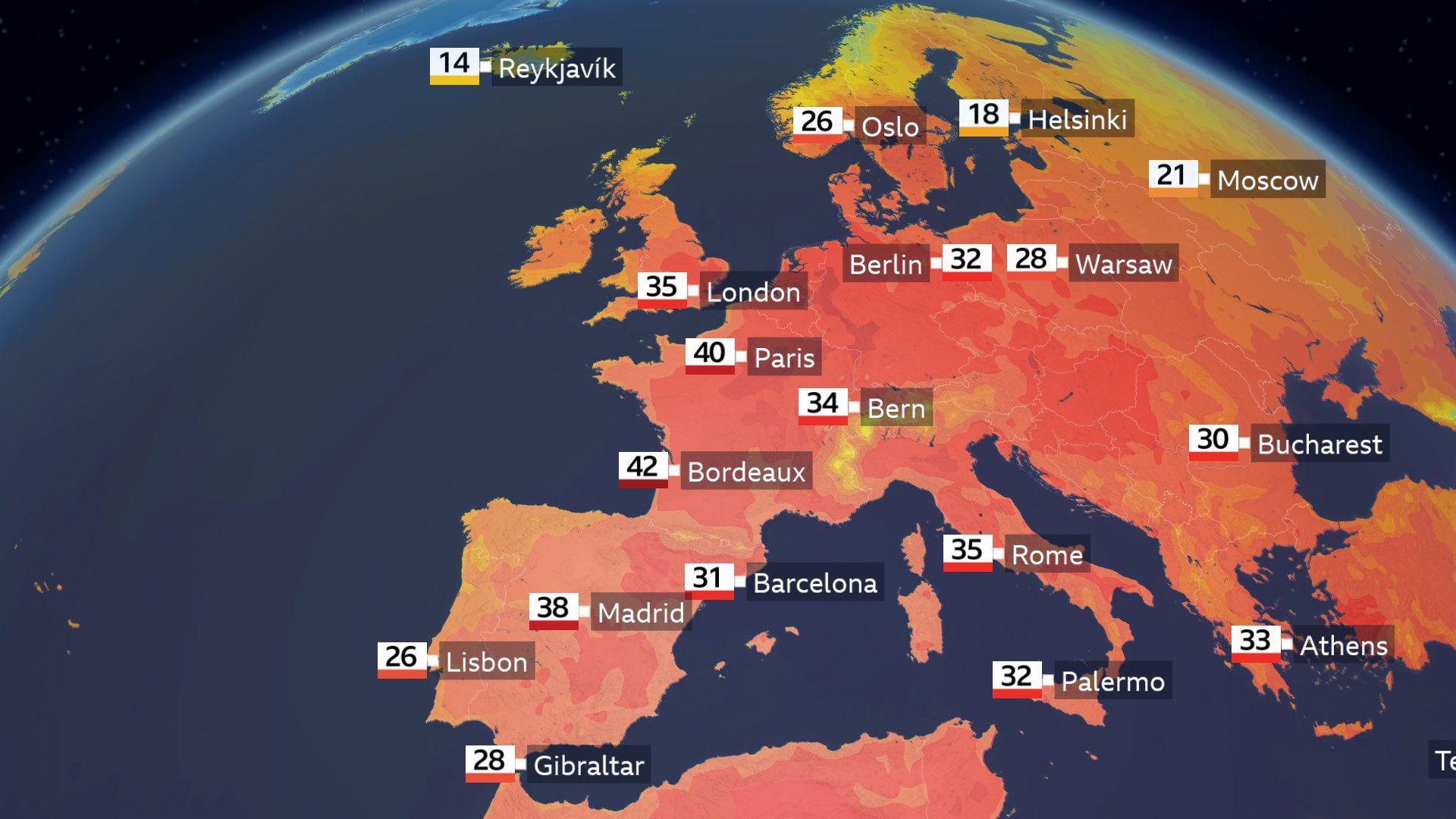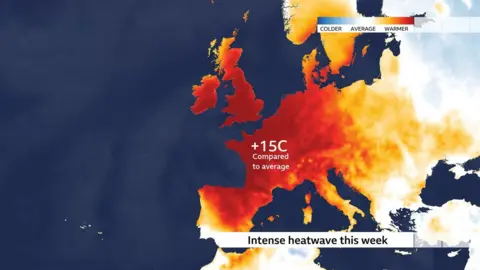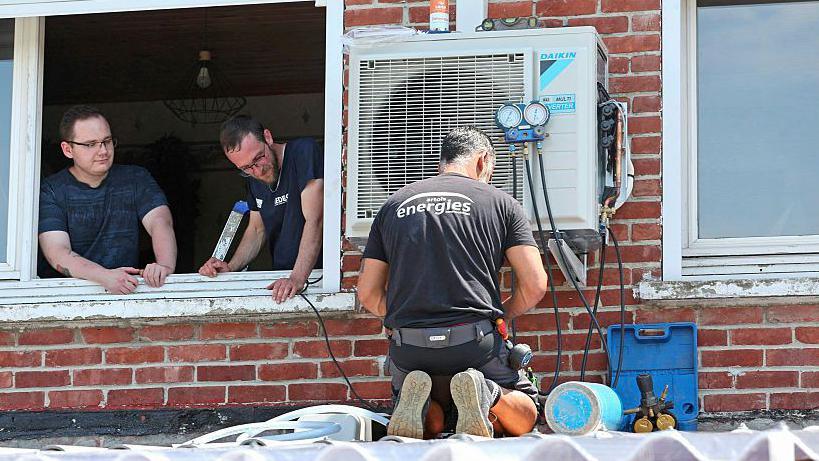
France’s record‑breaking heatwave has taken a new political front, forcing the nation to re‑evaluate its long‑standing ambivalence toward air‑conditioning. On Tuesday, temperatures approached 40°C, the hottest recorded, prompting teachers, nurses and residents to huddle around portable units that are on the rise worldwide.
Only a quarter of French homes are equipped, a sharp contrast to Spain and Italy (50%) and to 90% in Japan and the United States. The short‑fall is now a key feature of the debate between Marine Le Pen, who proposes a massive subsidised roll‑out, and the Ecologists, who admit the technology may become unavoidable despite environmental concerns.
Marine Le Pen and the National Rally claim that a "plan clim" could equip all schools and hospitals with cooling systems, backed by interest‑free loans worth €20 billion. Critics say the proposal is opportunistic and poorly costed, but the heat has made it hard for any side to deny the need.
Green politics adjusts – Marie Tondelier, head of the Ecologists, broke with her party’s anti‑clim stance, declaring that some buildings cannot survive without AC. “There are places where we simply can’t do without it now,” she said.
Public health voices – hospital unions and medical staff, including CGT’s Olivier Terrien, argue that without cooling, the safety of patients and staff is at risk. “In the environmental context, we should have la clim everywhere,” Terrien said.
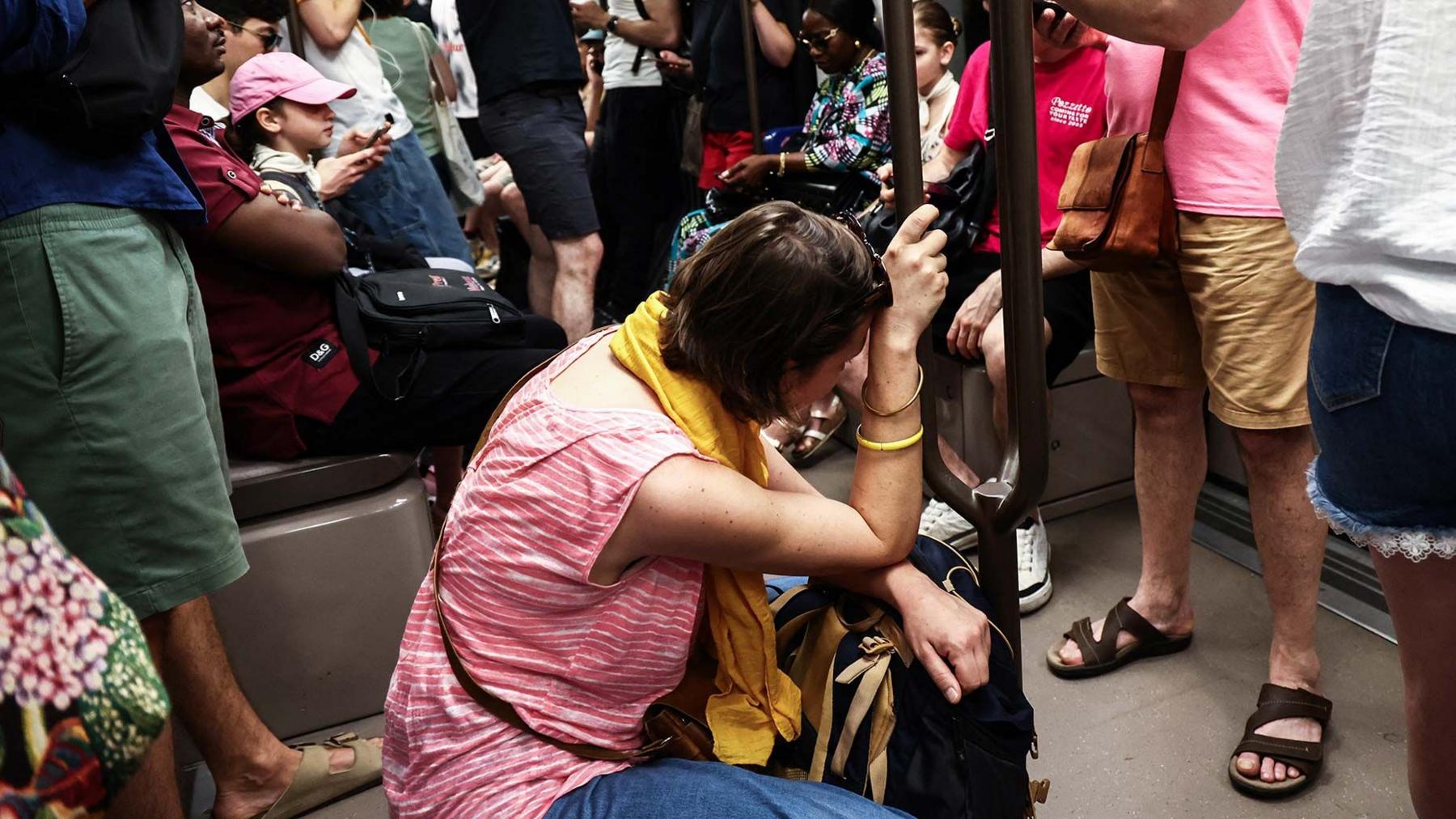
Government perspective – Valerie Pécresse, president of the Paris regional council, notes that its anti‑clim ideology has to adapt to the climate: “Air‑conditioning has got to be brought into the picture, along with other methods for creating cool.” She also wants all public transport equipped by 2032.
Environmental trade‑offs – while AC can mitigate heat stress, it adds to electricity demand and refrigerant emissions. France’s nuclear grid is a mitigating factor, but the global electricity mix elsewhere raises climate‑impact concerns.
The consensus is growing that with temperatures nearing danger thresholds, more cooling will be inevitable. Politically, the future plan will likely hinge on balancing public welfare, energy sustainability and economic costs in the face of an escalating climate crisis.