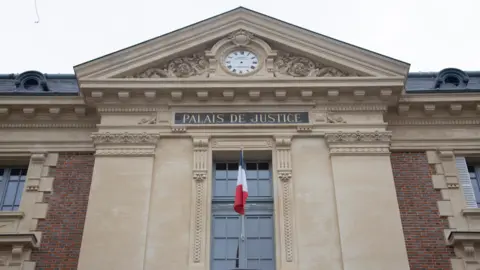
In Versailles, arguments and evidence are setting the stage for a courtroom drama that has spanned more than thirty years.
Marie‑Thérèse Garcia, now 79, is on trial in France’s oldest female detention center for the murder of her former sister‑in‑law, Corinne Di Dio, whose body was found dismembered inside a metal trunk on the River Seine in 1995.
The case tied to a cold investigation was reopened when modern DNA analysis revealed hairs in the trunk that matched either Garcia or a relative in her matrilineal line, a discovery that has fueled the prosecutorial case against her.
Garcia, known in the press as "Ma Dalton", has insisted the evidence is circumstantial, highlighting the absence of clear motive, missing body parts, and her own protestations of innocence. She has repeatedly applied for conditional release on health and age grounds, all of which have been denied.
The prosecution will argue that Garcia lured Di Dio to her Romain‑riding home near Rambouillet, where a stabbing and dismemberment occurred as part of an alleged scheme to distance a 10‑year‑old boy from his mother and a vendetta tied to an affair with a member of the criminal underworld.
Key evidence will include testimony from Garcia’s daughter Nancy, who, in 2004, reported hearing her mother discuss murder over the phone, and an intercepted call in which Garcia vowed to "cut them up and put the pieces in a suitcase".
The case remains dramatic not only for its violent details but for the intricate ties between Garcia, Di Dio, and a broader network of alleged criminal figures, including a Spanish drug‑trade associate and a convicted death‑penalty victim now in Colombia.