French President Emmanuel Macron has highlighted the need for a serious approach in dealing with the ongoing conflict in Iran, indirectly criticizing U.S. President Donald Trump’s erratic and contradictory remarks about the war. Speaking to journalists upon his arrival in South Korea for a state visit, Macron stated, 'This is not a show. We are talking about war and peace and the lives of men and women.'
He emphasized that a serious stance necessitates consistency, saying, 'When you want to be serious you don't say every day the opposite of what you said the day before.' He suggested that daily commentary might be excessive, urging for a quieter, more reflective approach.
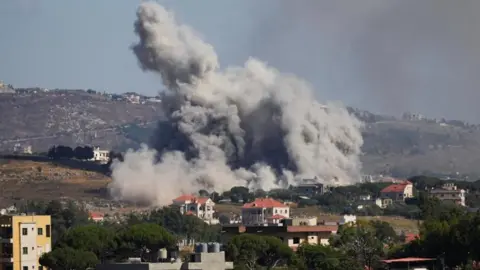
Macron's comments come amid a tumultuous backdrop of the U.S.-Israel war in Iran, now in its second month. While France has shown some support for U.S. operations in the region, it has refrained from being directly drawn into the conflict.
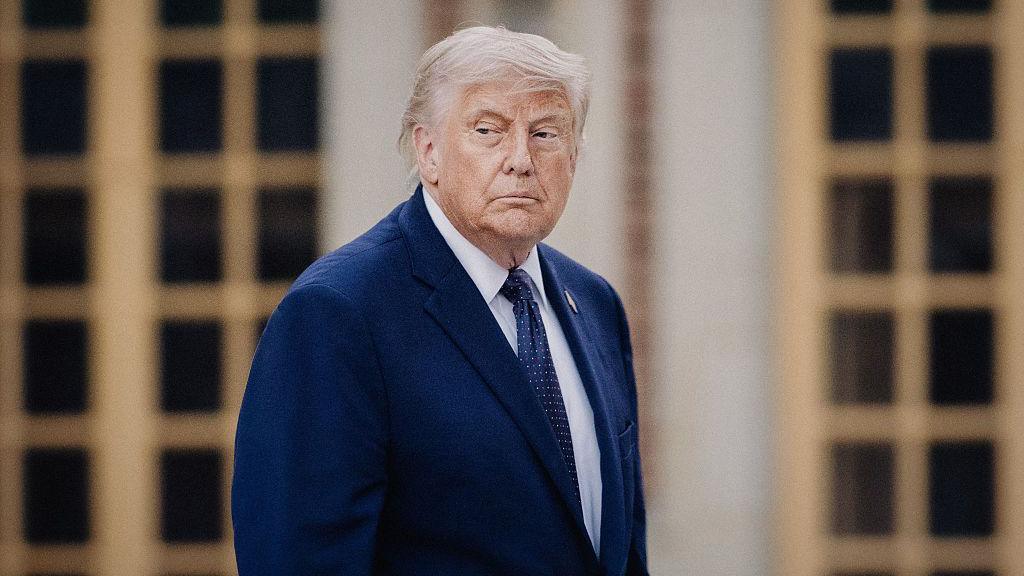
Trump has been known for mixed messages regarding the war, sometimes indicating a ceasefire was imminent, and at other times claiming victory or suggesting prolonged fighting was necessary. Macron called such messaging confusing, particularly in relation to the gravity of war operations.
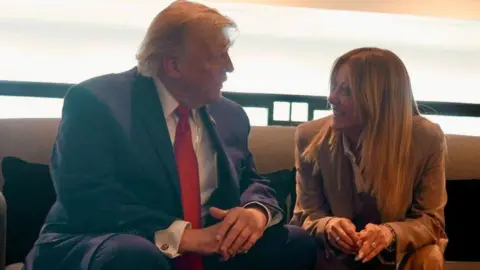
In addition to the serious discourse surrounding the Iranian situation, Macron responded to Trump’s recent disparaging comments about his marriage to Brigitte Macron. Trump's remarks, made during a private lunch wherein he imitated a French accent and mocked Macron for supposedly being treated poorly by his wife, were met with condemnation in France. Macron dismissed the comments as 'neither elegant nor up to standard,' insisting they did not merit a response.
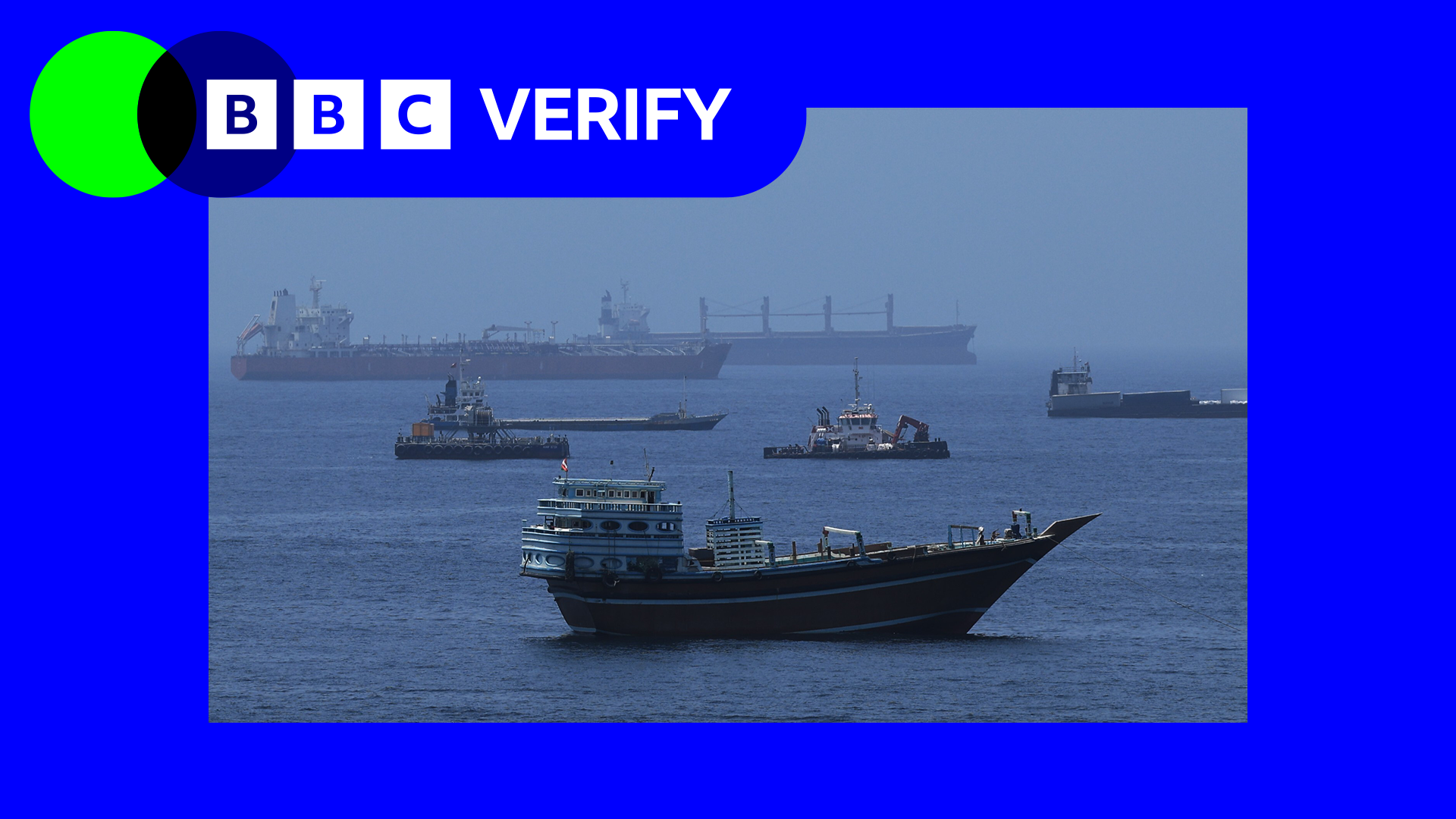
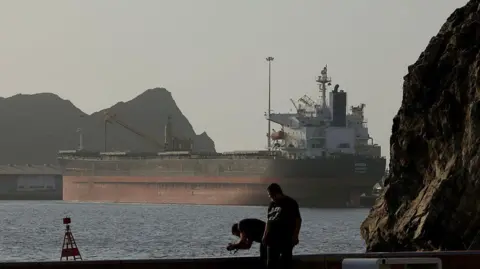
Amid rising tensions, Tehran has reacted to U.S. strikes by closing the Strait of Hormuz, a critical maritime shipping route. Macron cautioned against military action to reopen the strait, deeming it 'unrealistic' and fraught with danger due to possible retaliation from Iranian forces.
Macron concluded his remarks by reiterating the need for international oversight on Iran's nuclear program, arguing that military solutions are inadequate to resolve complex geopolitical issues.