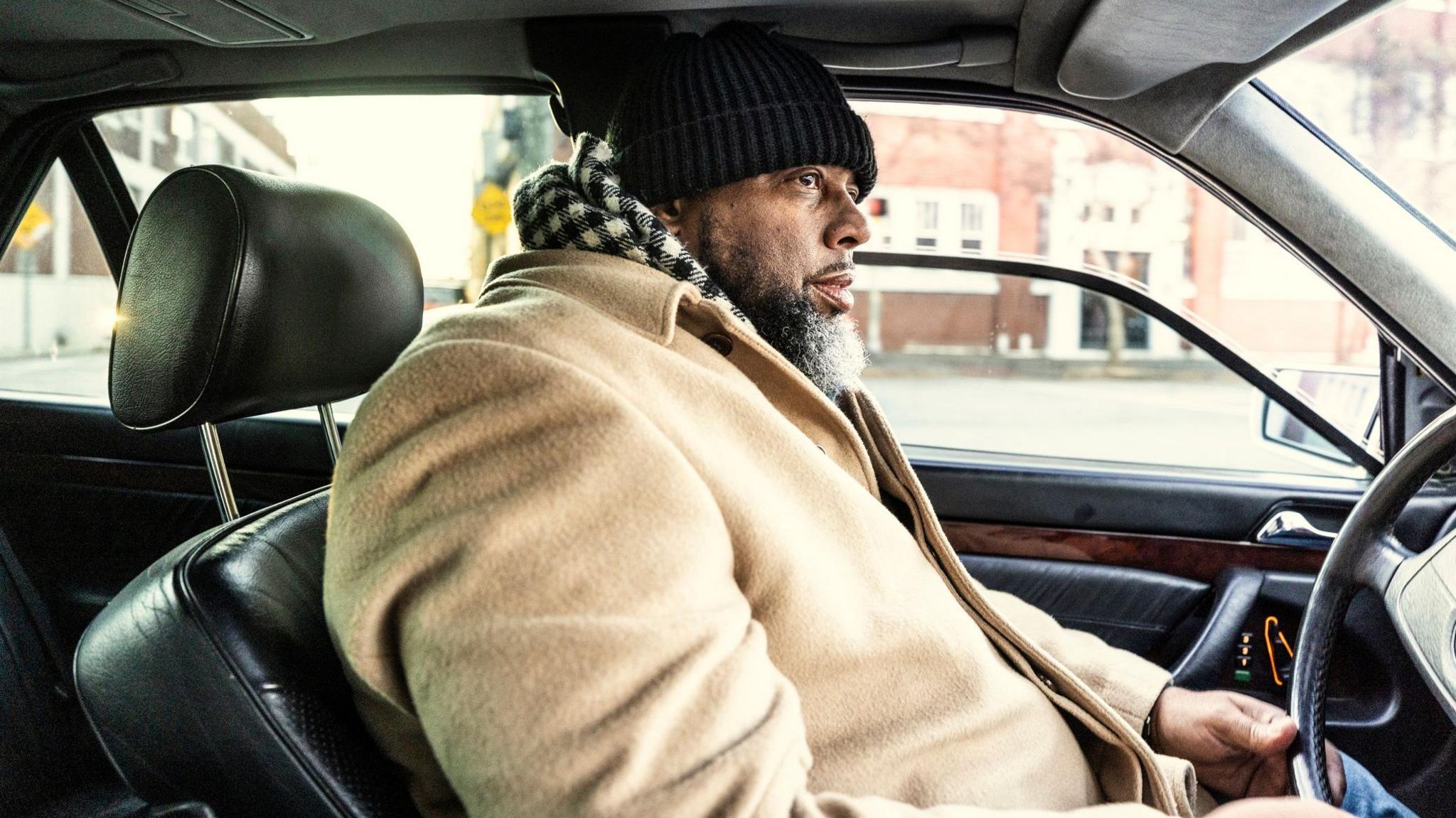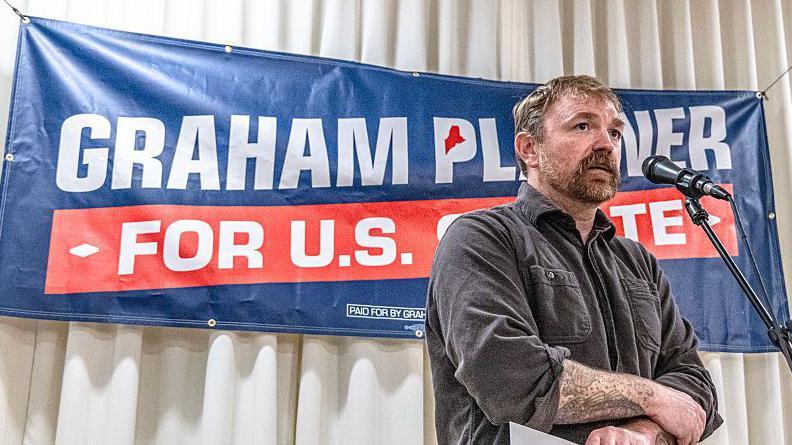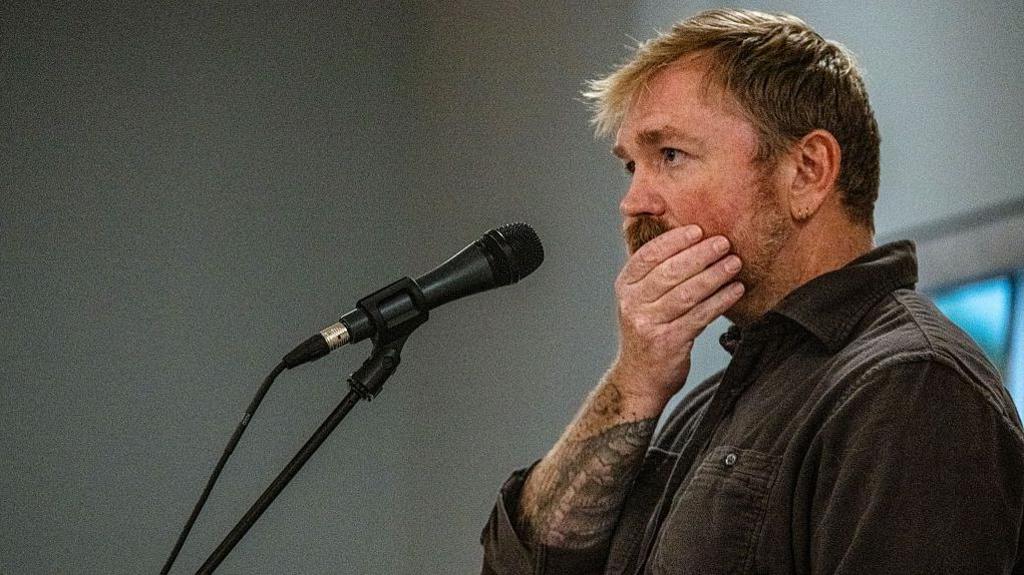
Graham Platner’s meteoric rise from a relative obscurity to Democratic nominee in Maine’s high‑profile Senate contest has collapsed in a single night. He announced he was suspending his campaign in a recorded video posted to social media, just 48 hours after Politico revealed a former girlfriend’s allegation that he entered her home while drunk and sexually assaulted her in 2021. Platner denied the claim, but the story struck a nerve among party leaders and voters alike.
“We went toe to toe with one of the most entrenched political systems in the world, and we won,” Platner told viewers, citing political structures tearing away from candidates that disagree with establishment elites. He added that the withdrawal would not come until a new nominee had been chosen through a “open and democratic” process.
The fallout from Platner’s exit is far from a simple loss of a candidate. For the Democratic Party, the Maine seat is a critical target: to flip the Senate it must win 25% of the popularly elected seats, and Maine’s only Republican incumbent is former Senator Susan Collins. The state’s only Republican seat in a state that returned the presidency to the Democrats in 2024 makes the race a frontline, and cancellation of Platner’s bid threatens a setback in a pivotal midterm.
Beyond the tactical blow, the incident has illuminated fault lines between the progressive wing—championed by national figures such as Elizabeth Warren and Bernie Sanders—and the more moderate, establishment‑oriented faction. The dispute over how to proceed highlighted claims that the state party is attempting to “manipulate” the replacement process, while Platner’s supporters lobbied for a more inclusive selection.
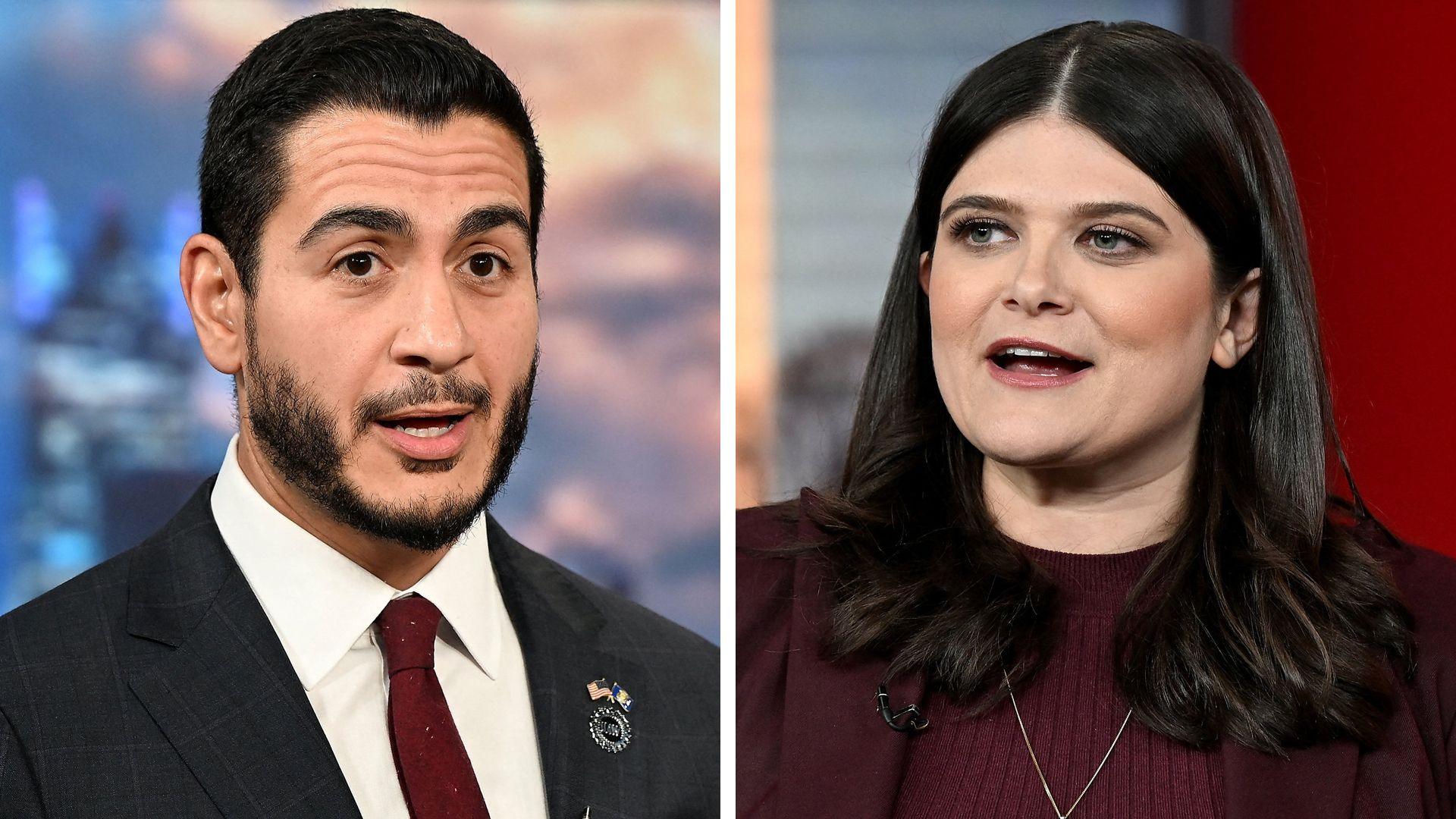
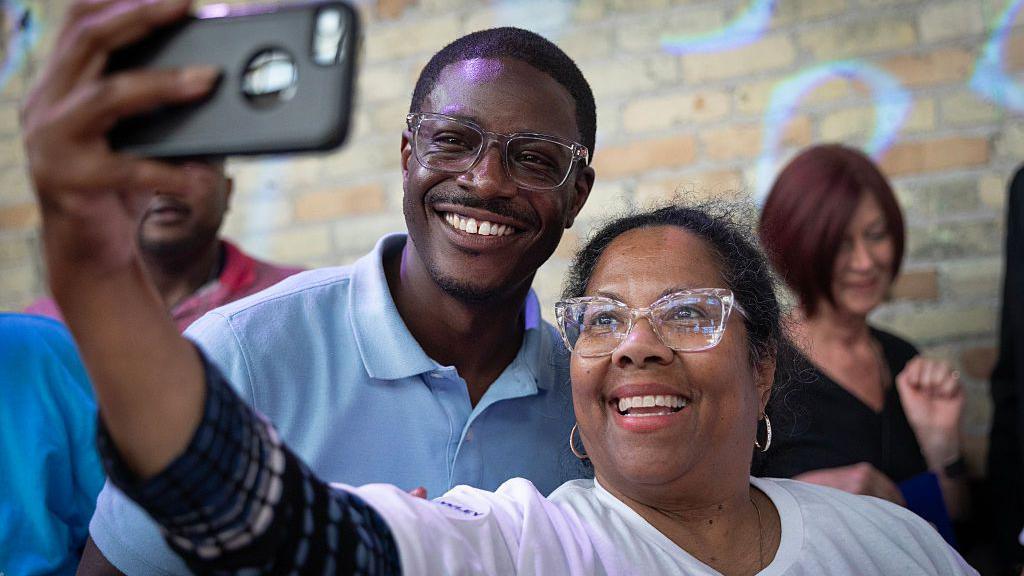
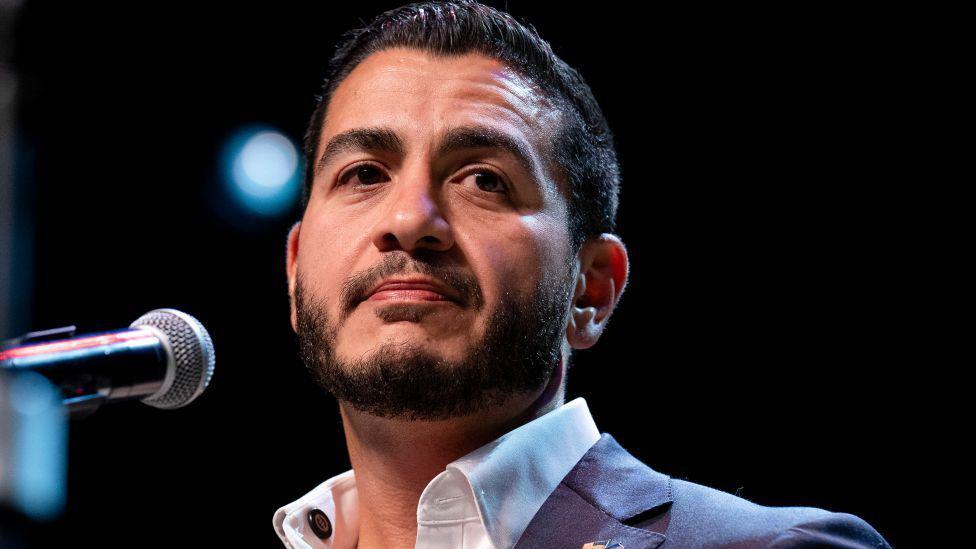
State party officials now face a tight deadline for naming a new candidate before the state‑mandated July 27 deadline, with convention voting scheduled within the next two weeks. Potential replacements include former Maine Senate leader Troy Jackson, epidemiologist Nirav Shah, and former secretary of state Shenna Bellows, among others. Each candidate brings unique experience and a chance to rally the fractured base.
Political analysts warn that the timing could harm the party’s November prospects and affect the broader narrative about a “blue‑collar liberal” future for the 2028 presidential field. If Democrats succeed in persuading the base to rally behind a new nominee and maintain momentum, the loss of Platner’s media buzz may prove less damaging than a loss of the seat itself.
Maine’s voters and the rest of the nation will be watching closely. The party’s next steps will determine not only who will contest Collins in November but also how the Democratic movement may shape its identity and strategy moving forward.