In brief
Meta abruptly took down its Muse Image AI tool, which let users remix public profile photos for new images. The feature sparked immediate criticism from privacy advocates, film unions and the general public, who feared misuse of personal likenesses. Meta admitted the rollout “missed the mark” and pulled the tool, emphasizing a need for better user control. This episode underscores the delicate balance between innovation and privacy in emerging AI technologies.
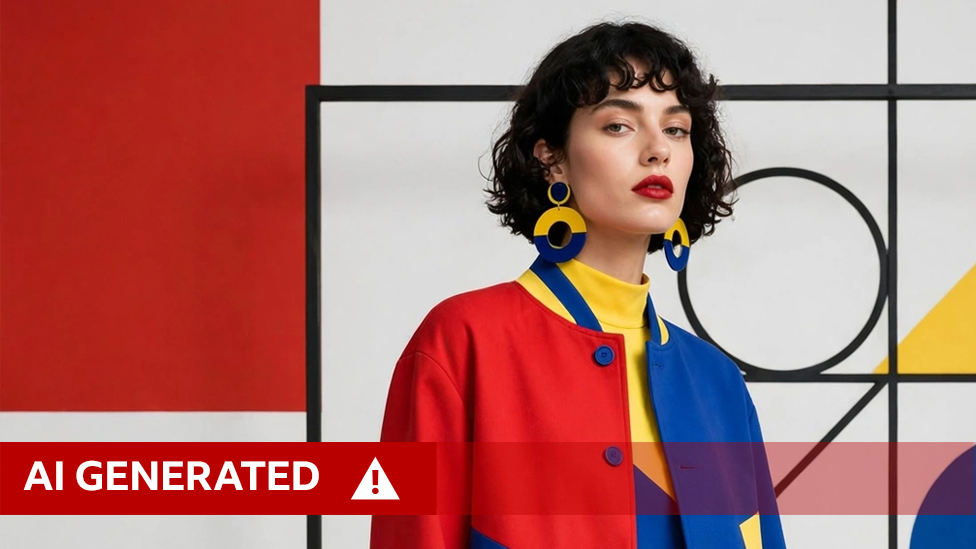
Meta has abruptly taken down Muse Image, its experimental AI image generation tool. The feature allowed users of the Meta AI chatbot to tag public accounts and automatically remix their content, raising concerns about privacy and misuse.
Within hours of launch, the tool triggered outcry from Instagram users, SAG‑AFTRA, privacy NGOs and the broader tech community. “They missed the mark,” Meta said, and the feature was pulled back worldwide.
Meta explained it was “intended to give people control” and that it had over‑specified privacy settings by default. Critics argued the default opt‑in let anyone with a public profile become unprotected fodder for AI‑generated images.
It was the first step in an announced plan for further AI‑enabled products on Instagram, Facebook, Messenger and WhatsApp, including an upcoming video‑generation tool.
Meta declined to comment further; the change remains a cautionary tale for AI‑powered content generation platforms.