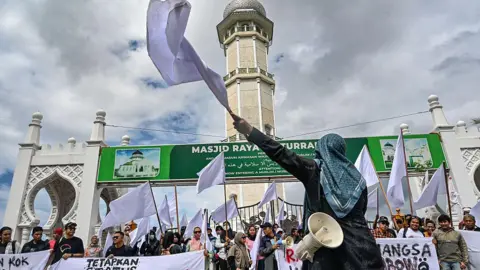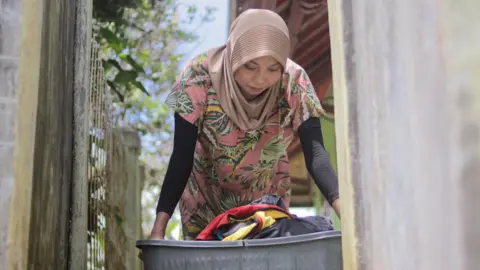
After more than two decades of tireless advocacy, Indonesia's parliament has finally approved the Domestic Workers Protection Law, offering legal recognition and protections to the estimated 4.2 million domestic workers in the country—90% of whom are women. Previously unrecognized under labor laws, these workers can now enjoy benefits including health insurance, guaranteed rest days, and pensions. Pricey deductions by placement agencies have been banned, and child labor in domestic work is now outlawed.
For many domestic workers, the passing of this law marks a long-awaited victory; one worker expressed it was the culmination of a '22-year struggle for protection.' The law was first introduced in 2004 but faced numerous setbacks. It gained new momentum in 2020 before achieving passage in Parliament.
Regulations to implement this law will be developed over the next year. Rights groups have celebrated the move but warn that ongoing education and enforcement are necessary to ensure compliance and awareness among employers of their responsibilities.
Many domestic workers have expressed their relief and joy, with statements like, 'This is our 22-year struggle as marginalized women to gain protection,' echoing their experiences of exploitation and abuse, including over 3,300 reported cases of violence against domestic workers in the past three years alone. Activists stress that while this law is an important step, continued efforts are essential to ensure domestic workers are respected and protected in the workforce.
For many domestic workers, the passing of this law marks a long-awaited victory; one worker expressed it was the culmination of a '22-year struggle for protection.' The law was first introduced in 2004 but faced numerous setbacks. It gained new momentum in 2020 before achieving passage in Parliament.
Regulations to implement this law will be developed over the next year. Rights groups have celebrated the move but warn that ongoing education and enforcement are necessary to ensure compliance and awareness among employers of their responsibilities.
Many domestic workers have expressed their relief and joy, with statements like, 'This is our 22-year struggle as marginalized women to gain protection,' echoing their experiences of exploitation and abuse, including over 3,300 reported cases of violence against domestic workers in the past three years alone. Activists stress that while this law is an important step, continued efforts are essential to ensure domestic workers are respected and protected in the workforce.