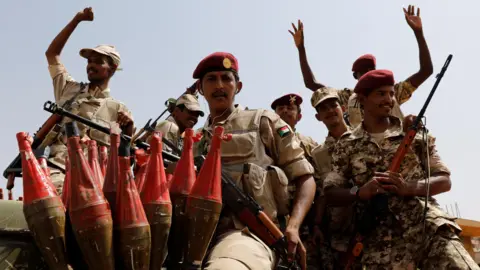
A network of Colombian mercenaries backed by the United Arab Emirates (UAE) provided critical support to Sudan's paramilitary Rapid Support Forces (RSF), enabling it to capture the western city of el-Fasher last year, a new report says.
The investigation, by security analysis organisation the Conflict Insights Group (CIG), utilized mobile phone tracking data of the Colombian fighters to gather insights.
The UAE has long denied any support for the RSF, which has been in conflict with Sudan's regular army for three years.
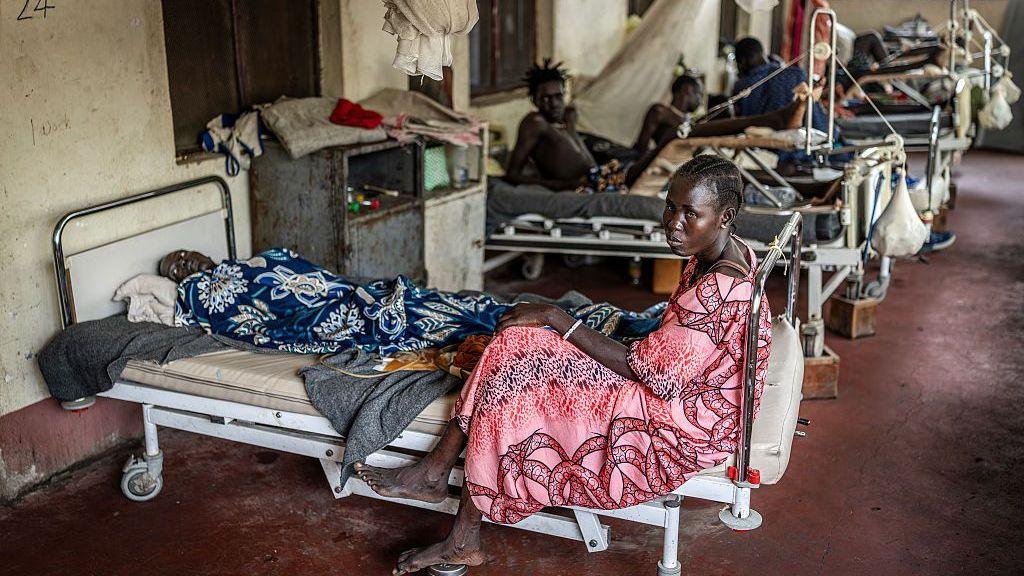
The fall of el-Fasher marked one of the most brutal chapters in ongoing violence, characterized by widespread atrocities resulting in tens of thousands of deaths and millions displaced.
Director Justin Lynch of CIG stated: This is the first research where we can prove UAE involvement with certainty. He emphasized the importance of revealing the relationship between Abu Dhabi and the RSF.
According to the CIG, extensive evidence of Emirati military assistance to the RSF has been documented, including flight-tracking data and the mutual presence of Colombian mercenaries at various staging grounds, particularly at a UAE base in Ghayathi.
The report further highlighted that mercenaries had been involved in drone operations aiding the RSF during the siege of el-Fasher, which has been criticized by human rights organizations and international bodies as constituting war crimes and possible genocide.
Colombian President Gustavo Petro previously condemned these mercenaries as spectres of death and indicated recruitment practices resembling human trafficking. Despite these revelations, the UAE continues to refute claims of any wrongdoing in supporting militia actions in Sudan.
The findings underscore the complexities of the Sudan conflict and illustrate the international dimensions of a war fueled by foreign interests.