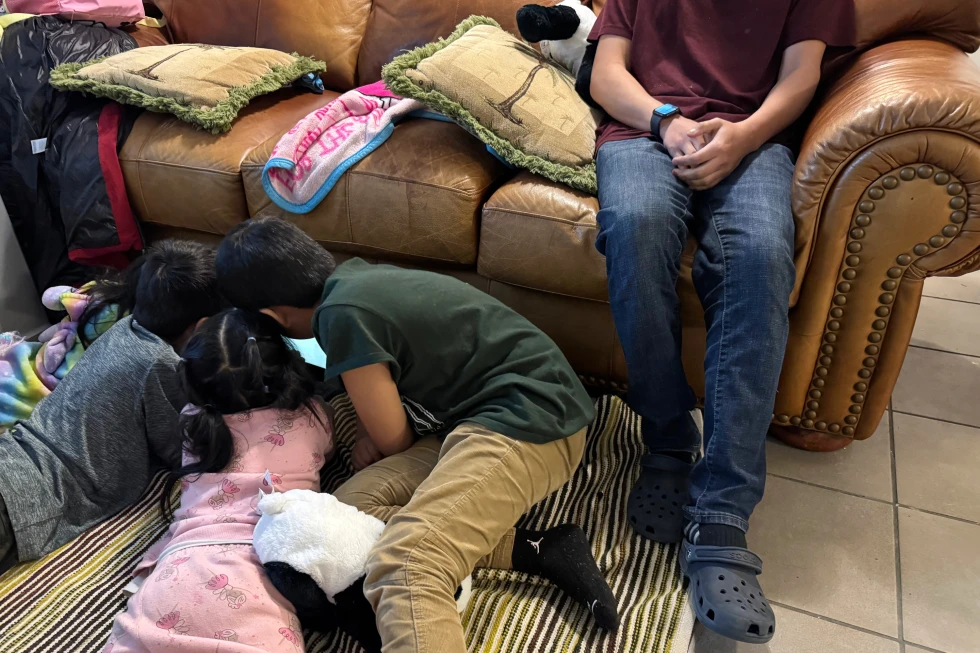
When federal immigration agents pounded on the door of his Minneapolis home, the oldest son in a family of ten knew he had to move his siblings to a safer place.
Their mother, a 41-year-old Indigenous Ecuadorian office cleaner with no significant legal troubles, had already been detained earlier this year for illegally entering the U.S., leaving her eldest children in fear of being next.
“The immigration agents were knocking on our door very late at night, and that’s when I became afraid,” a 20-year-old son, who preferred to remain anonymous, shared. “I’m afraid that I’ll be taken and my brothers and sisters will be in the hands of the government.”
This fear spurred the family to turn to Feliza Martinez, a volunteer from their church, who organized a network of supporters to safely transfer them to a designated shelter in south Minneapolis.
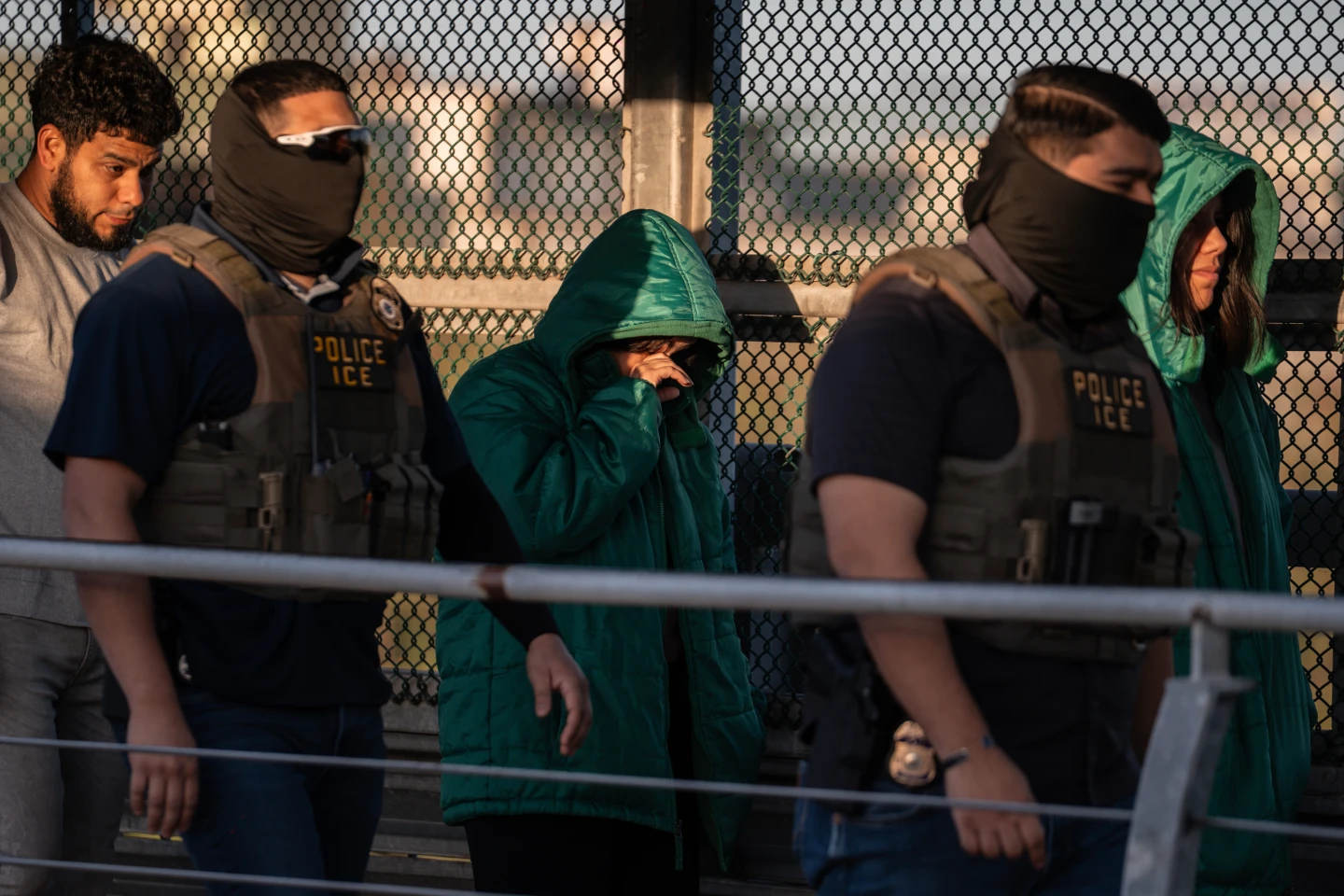
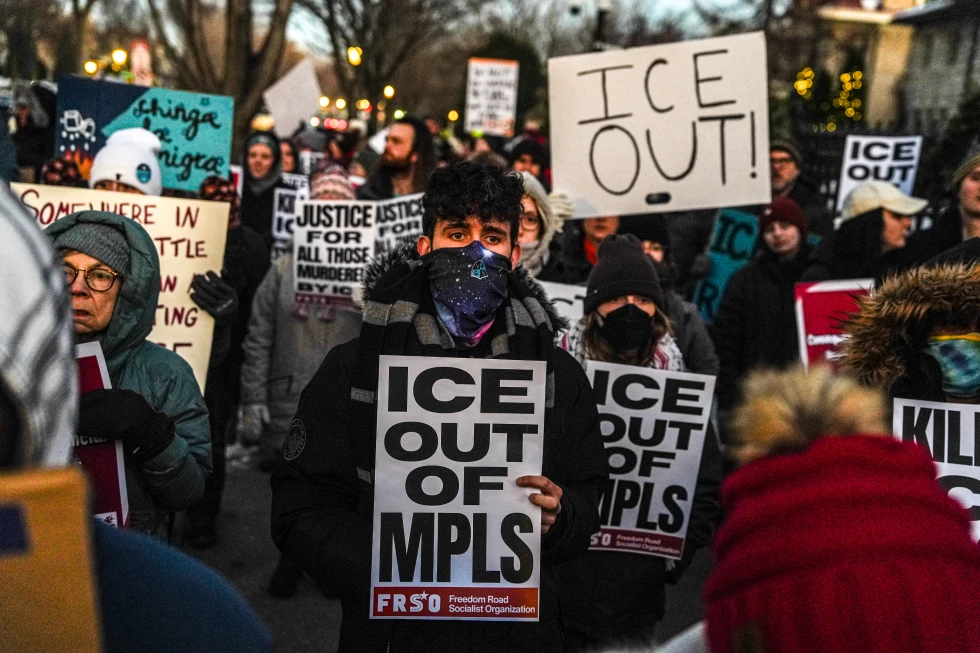
Martinez represents many compassionate residents of the Twin Cities stepping up to assist immigrants who feel threatened by federal policies. This includes offering shelter, food, and companionship to those who have been targeted by the Immigration and Customs Enforcement (ICE) amid widespread enforcement efforts.
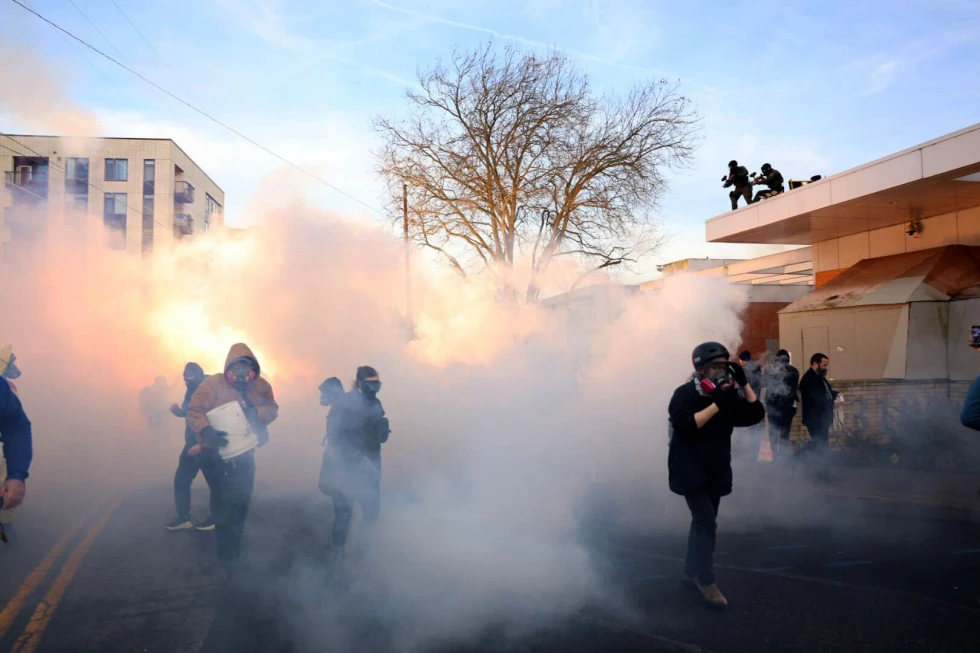
With more than 2,000 federal agents in the Minneapolis-St. Paul area looking for immigrants, local organizations are also working hard to deliver food and resources to those in need, promoting community safety.
“I try to bring hope – like, ‘We’re here with you,’” shared Martinez, reflecting on her experience helping families fearful of daily deportation risks.
The struggle of the Wampash Tuntuam family illustrates the deep anxiety affecting immigrant households. The family had to leave their home behind after facing intimidation from ICE agents who claimed they were coming to check on a social worker visit.
While the younger siblings adapted quickly to their new living conditions, the elder ones were wrought with worry about their mother’s imminent deportation and the future of their youngest siblings.
One daughter, speaking anonymously due to sensitive legal issues, expressed fear that their mother would not only be deported but that the youngest children might face separation from their family in such a case.
“If they found out that the baby was alone, they may take him away,” she worried. “I am very scared they will take him away.”
The mother had intended to self-deport while preparing necessary custody documents, hoping to avoid her children ending up on the streets of their former home in Ecuador.
Despite the adversity they face, the Wampash Tuntuam family continues to find strength in the community support that surrounds them. However, their future remains uncertain as they navigate the complexities of immigration laws and the looming presence of federal agents.
Through this difficult chapter, the community’s response has shown solidarity and compassion in times of fear, affirming their commitment to aid local families amidst an environment of insecurity.