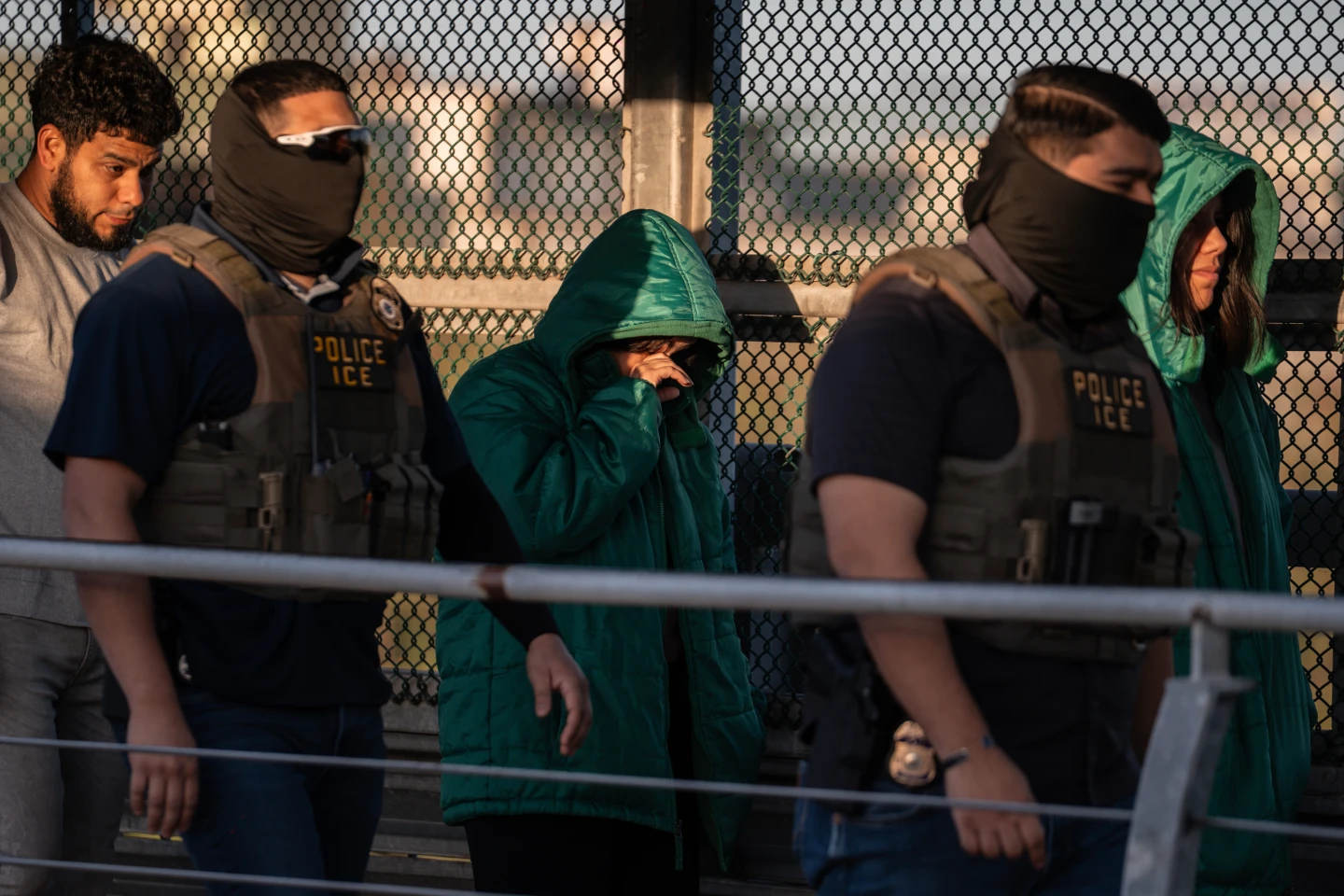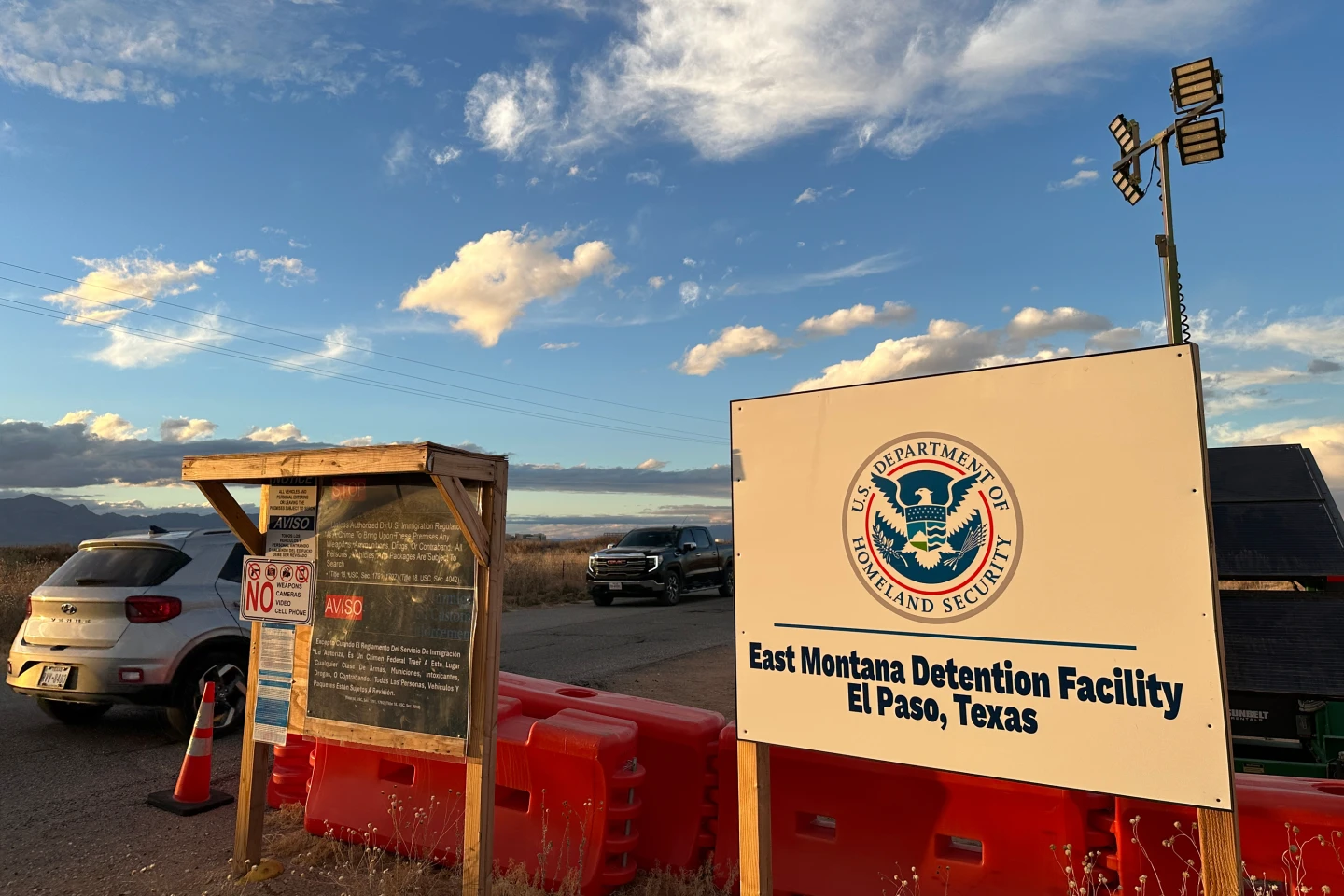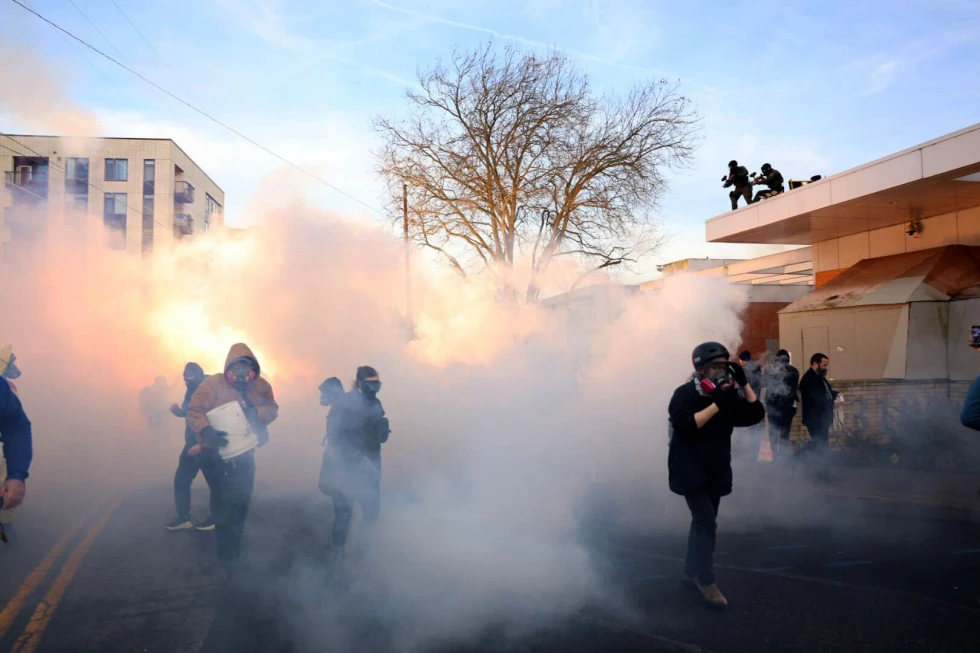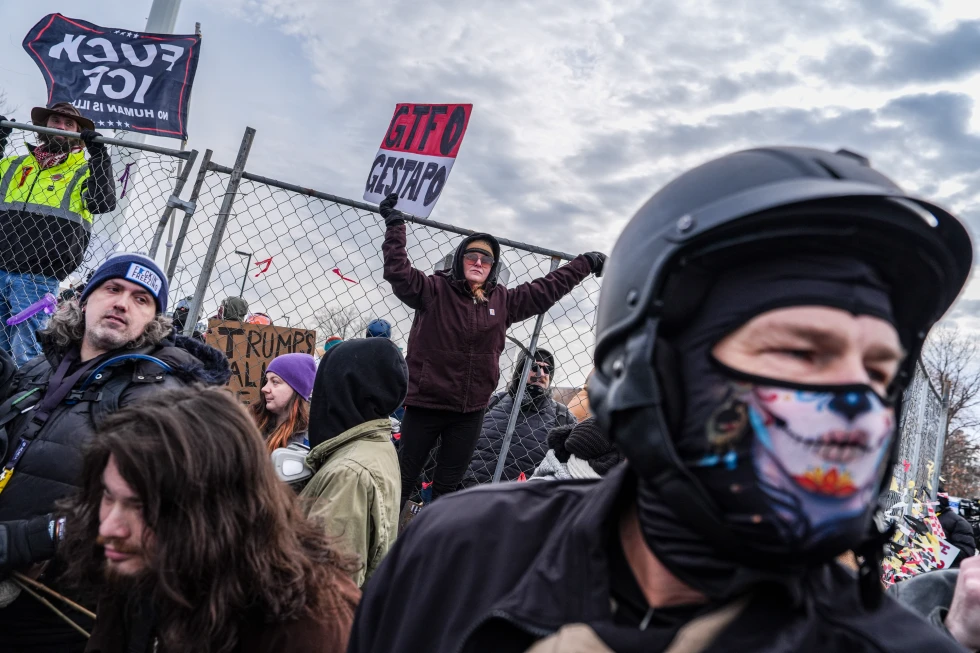
WASHINGTON (AP) — With a government shutdown threatening as the week comes to a close, Democratic senators are ramping up their demands for reforms to the U.S. Immigration and Customs Enforcement (ICE). The urgency has been exacerbated by recent tragic events where federal agents fatally shot two individuals in Minneapolis.
Senate Majority Leader Chuck Schumer has not clearly outlined the specific changes the Democratic caucus intends to propose in advance of a pivotal vote on Thursday regarding funding for the Department of Homeland Security and other federal agencies. Democrats are expected to convene to deliberate on a range of possible reforms that could include requiring agents to present warrants and identifying themselves during immigration arrests.
“This madness, this terror must stop,” stated Schumer, highlighting the necessity for immediate changes within ICE and the U.S. Border Patrol.
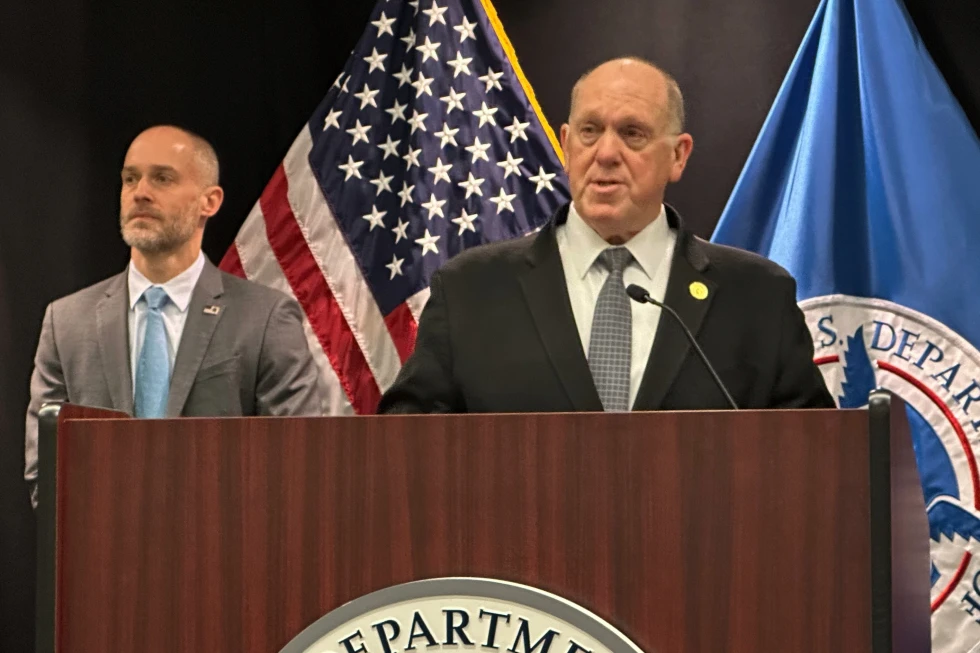
Republican leaders, such as Senate Majority Whip John Thune, are awaiting Democrats to clarify their positions but emphasize the need for cooperative dialogue with the White House. There are growing concerns regarding the feasibility of reaching a bipartisan agreement given the current political climate.
Though Democrats are unified in their call for reform in response to the violence, the prospect of a government shutdown remains imminent. With no clear negotiations underway, the possibility of a partial shutdown starting Saturday is becoming increasingly likely. Many Democratic lawmakers are advocating for changes that do not just rely on executive promises but rather are enshrined in congressional action.
Potential reform topics include stopping arrest quotas, enforcing compliance with state and local authorities during federal investigations, and revoking the controversial 'roving patrols.'”
Connecticut Sen. Chris Murphy indicated that the Democratic strategy aims to foster unity within the caucus and amongst the wider public, suggesting these reforms are both reasonable and necessary. However, Republican leaders have expressed that any adjustments must pass through the House to prevent a shutdown, complicating the current political negotiations as the House is not in session.
Ultimately, both sides face significant obstacles in reaching any agreement before the looming deadline, further entrenching divisions over immigration policies and funding approaches.