The US justice department is investigating two prominent Minnesota officials over alleged attempts to impede federal immigration agents, in an escalation of the Trump administration's clash with Democrats.
Governor Tim Walz and Minneapolis Mayor Jacob Frey are facing an inquiry over statements they have made about Immigration and Customs Enforcement (ICE), reports CBS.
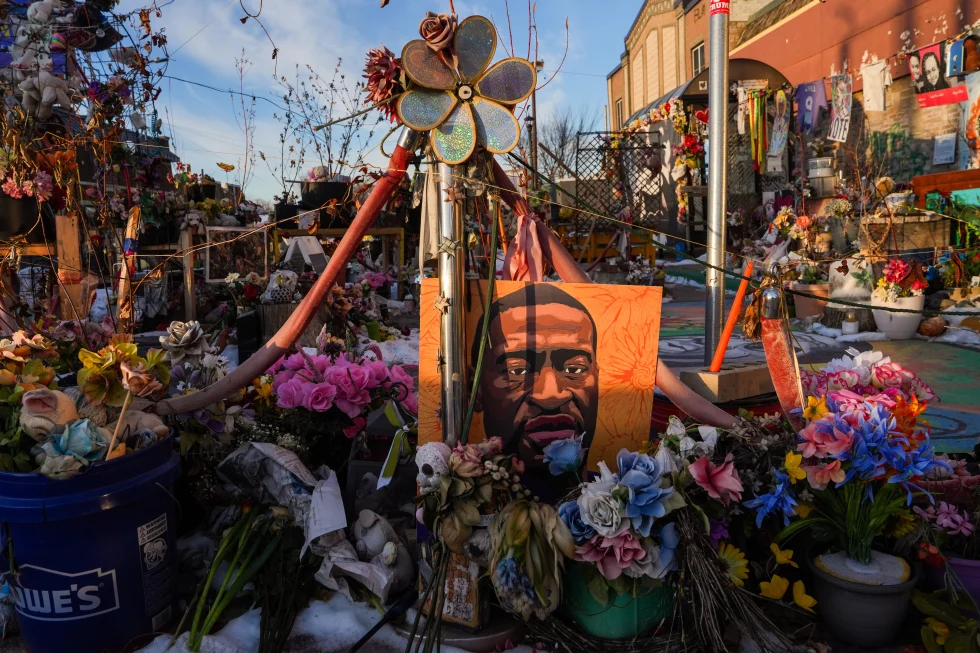
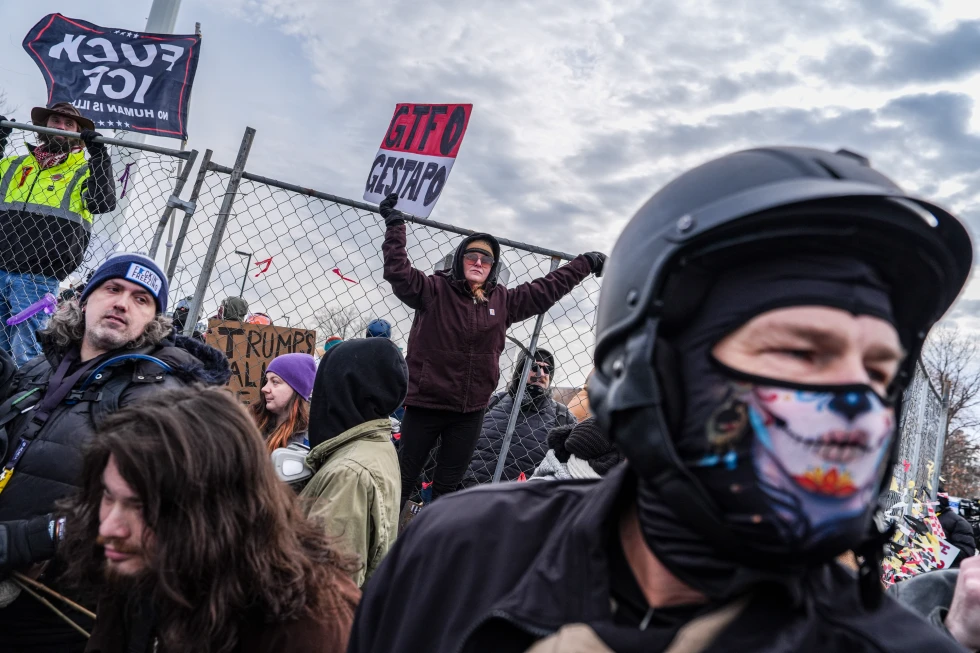
This investigation comes as fresh details emerged regarding the death of a Minneapolis woman, Renee Good, who was shot last week by an ICE agent, sparking nationwide protests.
Governor Walz responded to the inquiry by stating on X: Weaponizing the justice system against your opponents is an authoritarian tactic. The only person not being investigated for the shooting of Renee Good is the federal agent who shot her. He urged Minnesotans to protest peacefully, despite being accused of inflammatory rhetoric for referring to ICE as a modern-day Gestapo. Mayor Frey has also called for the removal of immigration agents from Minneapolis.
The nature of the inquiry involves a federal statute that criminalizes conspiracy to prevent federal officers from executing their duties through force, intimidation or threats. The Justice Department has issued subpoenas to both Walz and Frey.
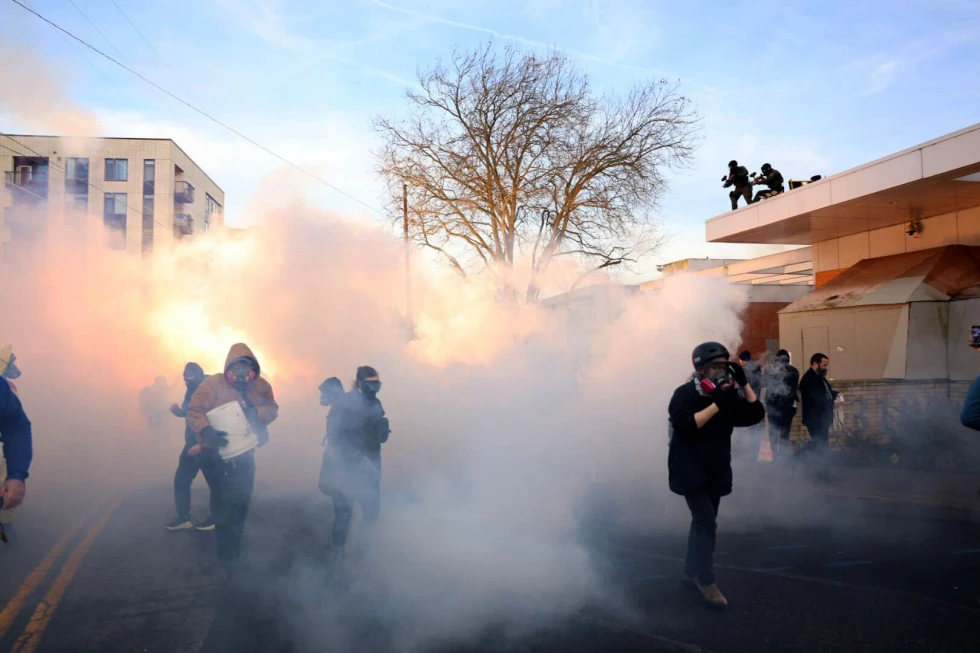
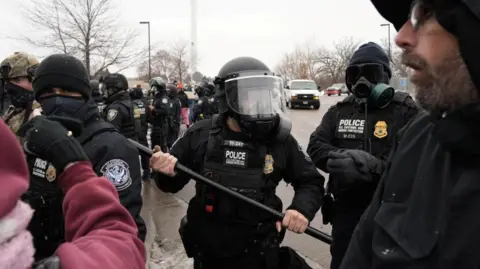
Protests persisted in Minneapolis following the details of Good’s death, with local officials appealing for calm during the holiday weekend. Reports from the Minneapolis Fire Department indicate that Good sustained at least three gunshot wounds, leading to her death, with differing accounts surrounding her actions at the time of the shooting.
Trump administration officials have defended the actions of the ICE agent involved, claiming that Good posed a threat by allegedly attempting to run over the agent, a statement disputed by local officials.
In response to ongoing unrest, President Trump criticized protesters and local leadership while indicating that he did not yet see the need to deploy federal troops to the area.
As Democratic lawmakers condemned the actions of ICE agents during a recent hearing in Minnesota, the climate surrounding immigration enforcement continues to intensify amidst calls for reforms including better oversight for federal agents.