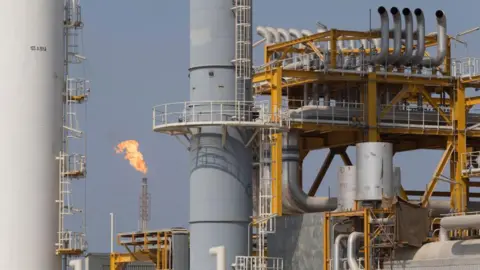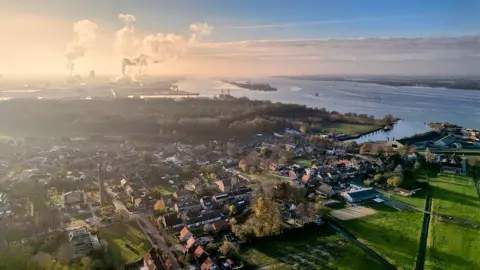
In the south of the Netherlands, beside a wide estuary, a village of around 1,100 people is likely to disappear from the map. Moerdijk, a small fishing community 34km south of Rotterdam, is on the fault line of the nation's green energy transition. The Dutch government asserts that the country requires vast new sites to build high-voltage substations for connecting electricity from offshore wind farms to the national grid. However, the Netherlands suffers from a shortage of land, and officials claim that Moerdijk’s strategic location next to ports, motorways, and existing power lines makes it ideal for such infrastructure.
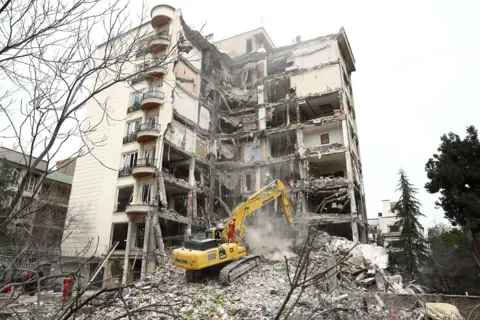
Residents face the imminent threat of their homes being demolished within the next decade, potentially wiping the village off the map. We are being brought to the slaughter house, states local fishmonger Jaco Koman, whose family has been involved in the fishing business since 1918. Despite the industry prospering, the threat of displacement looms heavily over the community.
The unease is palpable, as signs of uncertainty permeate the village; houses for sale sit idle, and flags hang at half mast in mourning for a future that may no longer include Moerdijk. Local grocery store owner Andrea expresses her fears of losing her home, built by her husband, and grapples with concerns over what would become of graves in the village cemetery if they are relocated.
The village’s struggle embodies a broader dilemma in the Netherlands, where developers and government strive to balance land use between housing, industry, and the burgeoning need for renewable energy. While the government has delayed decisions, pressure mounts for Moerdijk to sacrifice itself for larger national interests, leading to emotional discussions about community, identity, and the cost of progress.