Israel's Prime Minister Benjamin Netanyahu has stated that Israel 'acted alone' in attacking an Iranian gas field, as tensions rise over strikes on energy infrastructure in the region.
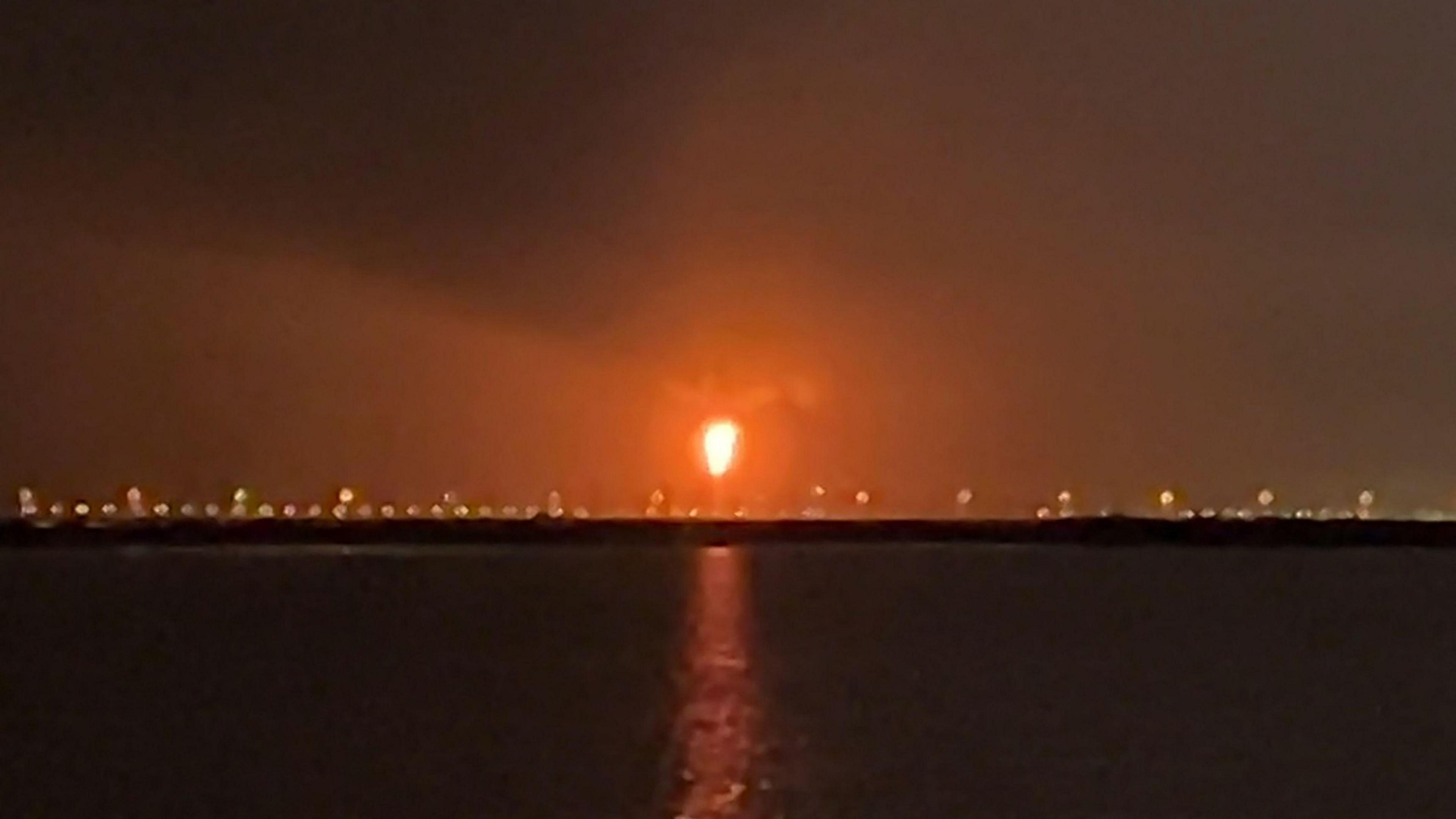
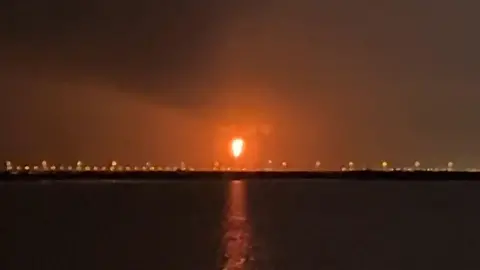
The Israeli military targeted Iran's South Pars, part of the world's largest natural gas field, prompting a retaliatory response from Tehran, which struck an energy complex in Qatar and targeted other energy assets in the Gulf.
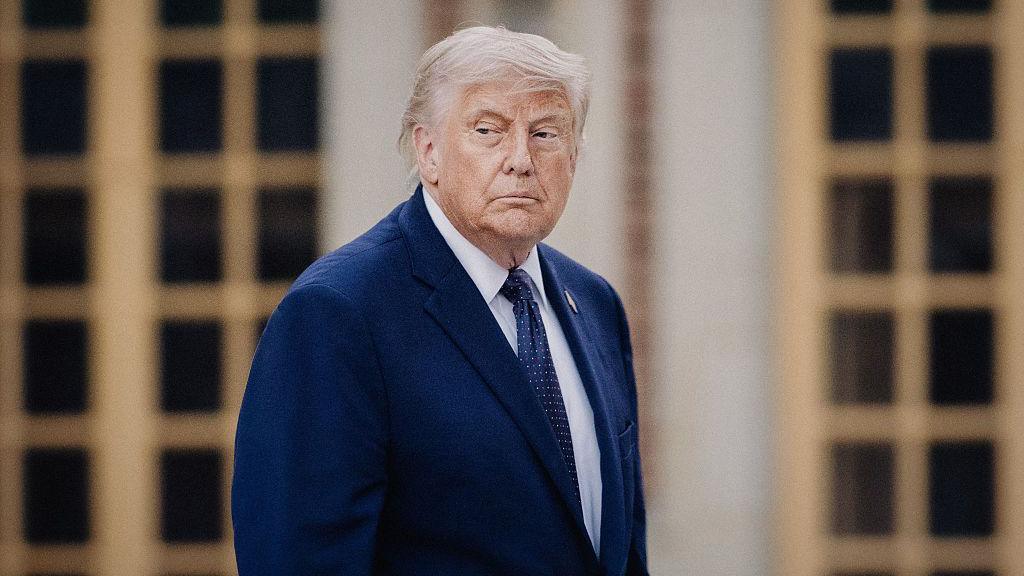
The fallout has led to increased energy prices, with U.S. President Donald Trump expressing surprise at the escalation, suggesting he was not informed prior to the attacks.
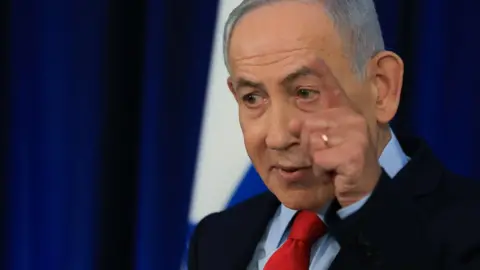
During a press briefing, Netanyahu maintained that these actions were not coordinated with the U.S., denying claims that they misled Trump, and insisted that no one dictates U.S. actions.
The escalation in attacks comes amid a broader U.S.-Israeli campaign against Iranian interests, with the situation intensifying following the Iranian inclusion of restrictions on shipping routes through the strategic Strait of Hormuz.
As global energy supplies face significant repercussions from these developments, Qatar's Prime Minister described the Iranian strike as a 'very dangerous escalation'. Iran’s Foreign Minister warned that there would be 'zero restraint' if their infrastructure was again targeted.
Netanyahu, discussing Israel's military objectives, emphasized their commitment to undermining Iran's military capabilities, asserting that their actions aim to weaken the Iranian regime although it is ultimately up to the Iranian people to enact change.
This conflict has ramifications not only for regional stability but also for energy prices globally, with price spikes already being observed in oil and gas markets.