Munich’s Oktoberfest Turns to Shorts to Stop Upskirting
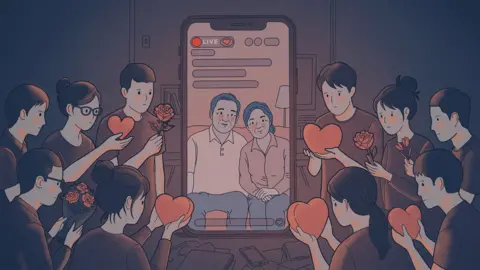
Every July, thousands of revelers swarm front‑row tents and spinning rides at the world‑famous Oktoberfest. This year’s parade of laughter and beer coincides with a new vigil over privacy: the Teufelsrad, the festival’s iconic Devil’s Wheel, has become a hotspot for upskirting, as the circular motion lifts skirts to expose underwear. The problem has become so prolific that it has attracted police attention and criminal prosecution.
Amid the virtual frenzy, ride operator Elisabeth Polaczy has taken a simple but effective step. For the past three years she has been handing out free cycling shorts to women who wear dirndl dresses, giving them an extra layer of protection beneath the skirts. According to Polaczy, the shorts cost money but save her peace of mind as well as her guests’ dignity.
Polaczy’s campaign comes after data from the Süddeutsche Zeitung highlighted more than 32,000 videos of women on the Teufelsrad circulating online, some of which have earned thousands of euros for the uploaders. German law punishes filming under skirts with up to two years in prison, but critics argue the law falls short, as the motion itself sometimes captures exposed underwear; digital manipulation can also depict women naked without any real violation of the law.
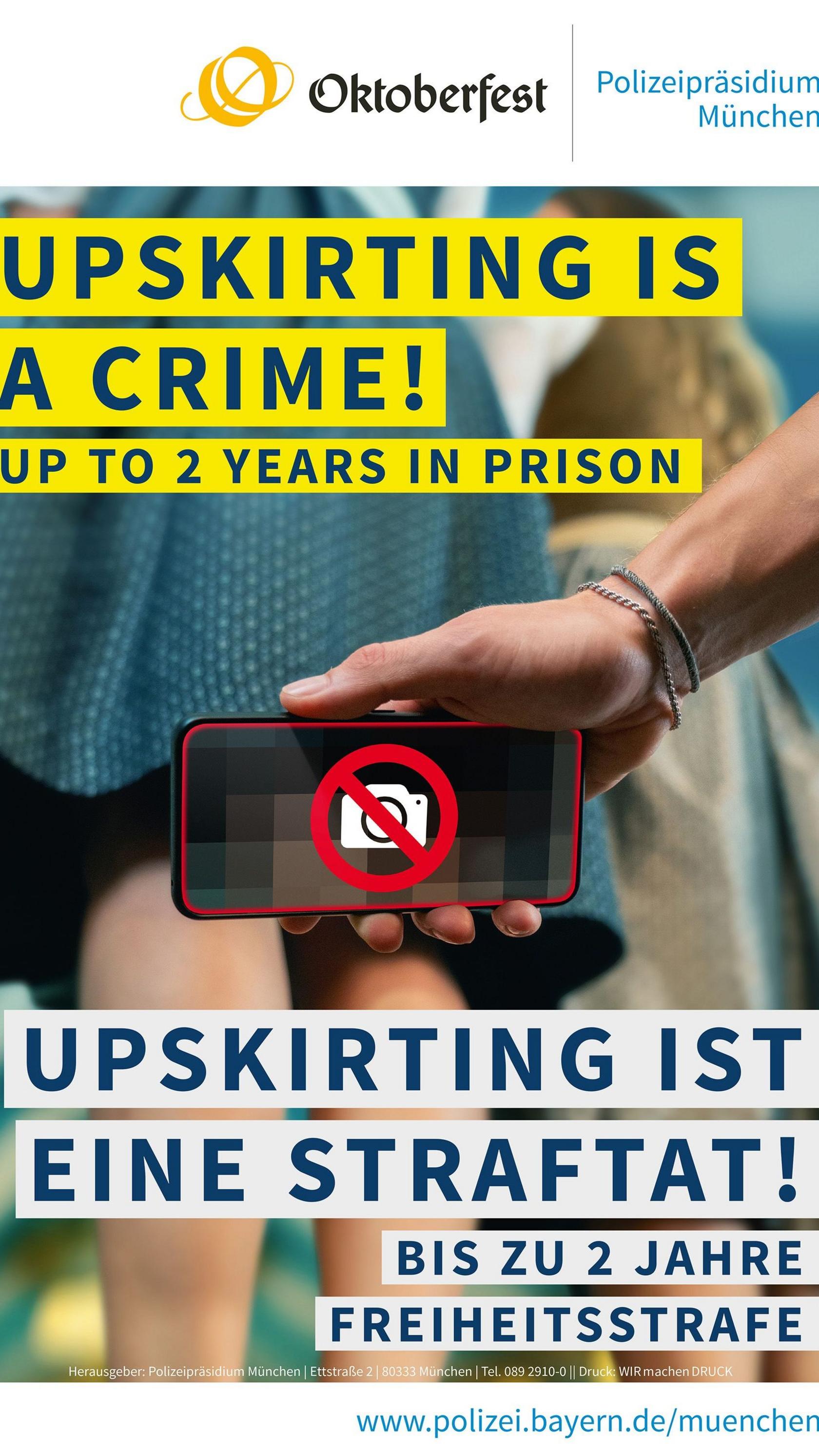
Police counter‑measures include a fresh poster campaign that warns: “upskirting is a crime” and a newly‑instated rule that bars live‑streaming from the festival. The city now issues filming permits and charges a fee for influencers who wish to capture clips for sponsorships, a move aimed at throttling the monetisation of voyeuristic footage.
The response from victim‑support groups has been positive. “We need stronger legislation that protects all instances of exposure, not just the act of photographing under a skirt,” said Josephine Ballon, head of the non‑profit Hate Aid. She calls for laws that also penalise those who post intimate footage online and the platforms that host them.
As Oktoberfest wraps up its 16th day, the event’s attempts to safeguard privacy reflect broader concerns about body‑shaming and digital harassment in public spaces. Whether the simple act of distributing shorts will be enough remains to be seen, but Munich’s proactive stance signals a new era of victim‑centred security at one of the world’s favourite festivals.