The operator of a popular amusement ride at the Munich Oktoberfest has been handing out free cycling shorts to women. This follows the surge of viral videos that show women on the Teufelsrad, the Devil’s Wheel, being filmed in their underclothing.
The Teufelsrad has been a staple attraction for over a century, rotating riders until the movement can cause skirts to lift. Several clips of dirndl‑wearing women have amassed millions of views; one clip reportedly earned a woman €9,000. The videos are not only embarrassing but also illegal under German law, which carries up to two years’ imprisonment for filming under skirts.
However, critics argue that the law does not protect victims when the skirt simply lifts or when footage is edited to show nudity. “The current legislation applies only when the camera actively looks under a skirt,” says Josephine Ballon of Hate Aid, an organisation that supports victims of digital harm.
Polaczy’s response
Polaczy, who has run the Teufelsrad for more than three decades, said she has been distributing over 100 pairs of cycling shorts over the past year. “I want to do everything I can to make people feel secure,” she told the BBC. Although the shorts cost money, she views the gesture as worth it for her own peace of mind and for the safety of the ride’s visitors.
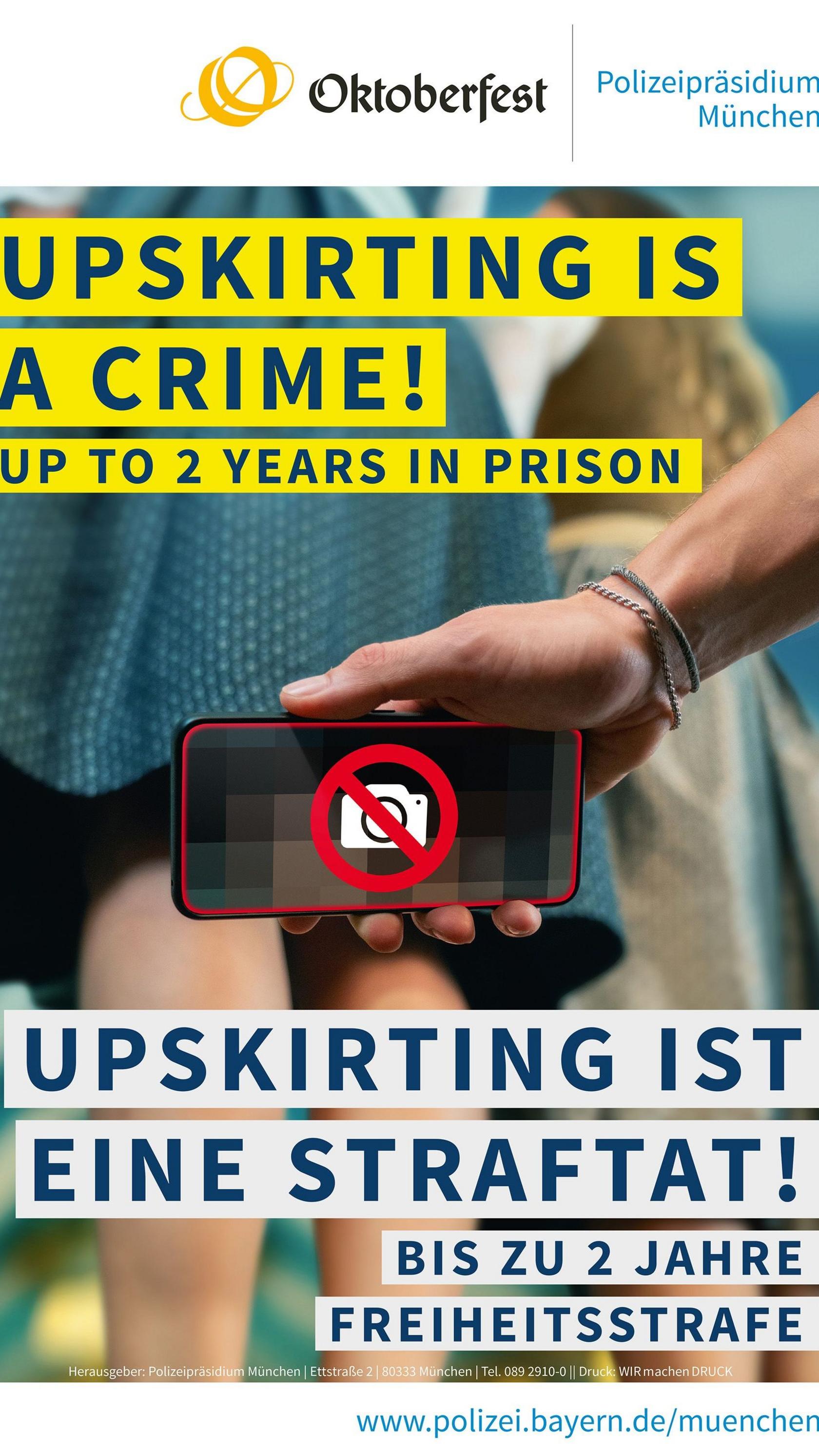
During the latest festival, a police poster campaign warned against upskirting, and the Bavarian police have since restricted live broadcasts from the festival and require permits for content creators. The city has also issued hundreds of licences to influencers who earn money from filming and sponsorship deals.
Arrests and future policy
This year, police arrested a 45‑year‑old Swiss man who filmed under a German woman’s dirndl, and last year there were 10 arrests for upskirting. Ballon calls for harsher penalties for those who upload intimate images online and for a broader law that addresses any situation where a skirt lifts. She also warns that new camera‑glasses technology could pose additional threats.
The 80‑year‑old operator’s simple act of handing out cycling shorts highlights a growing trend of community measures to safeguard privacy at large public events. Whether such initiatives will inspire legislative change or become a standard practice for other festivals remains to be seen.