In brief
Social media has long celebrated perfect, crowd‑filled moments—but a quiet trend is now gaining traction. TikTok star Lana Isa and others showcase meditative routines, food, and solo adventures, amassing millions of views and drawing a devoted audience that embraces loneliness as normal, not a flaw. While some critics worry about romanticising isolation, research suggests that celebrating choice alone can reframe loneliness, giving space to rebuild social ties. These influencers demonstrate that solitude can be a valid, even comforting lifestyle, and they inspire listeners to seek meaningful connections rather than chase perpetual social validation.
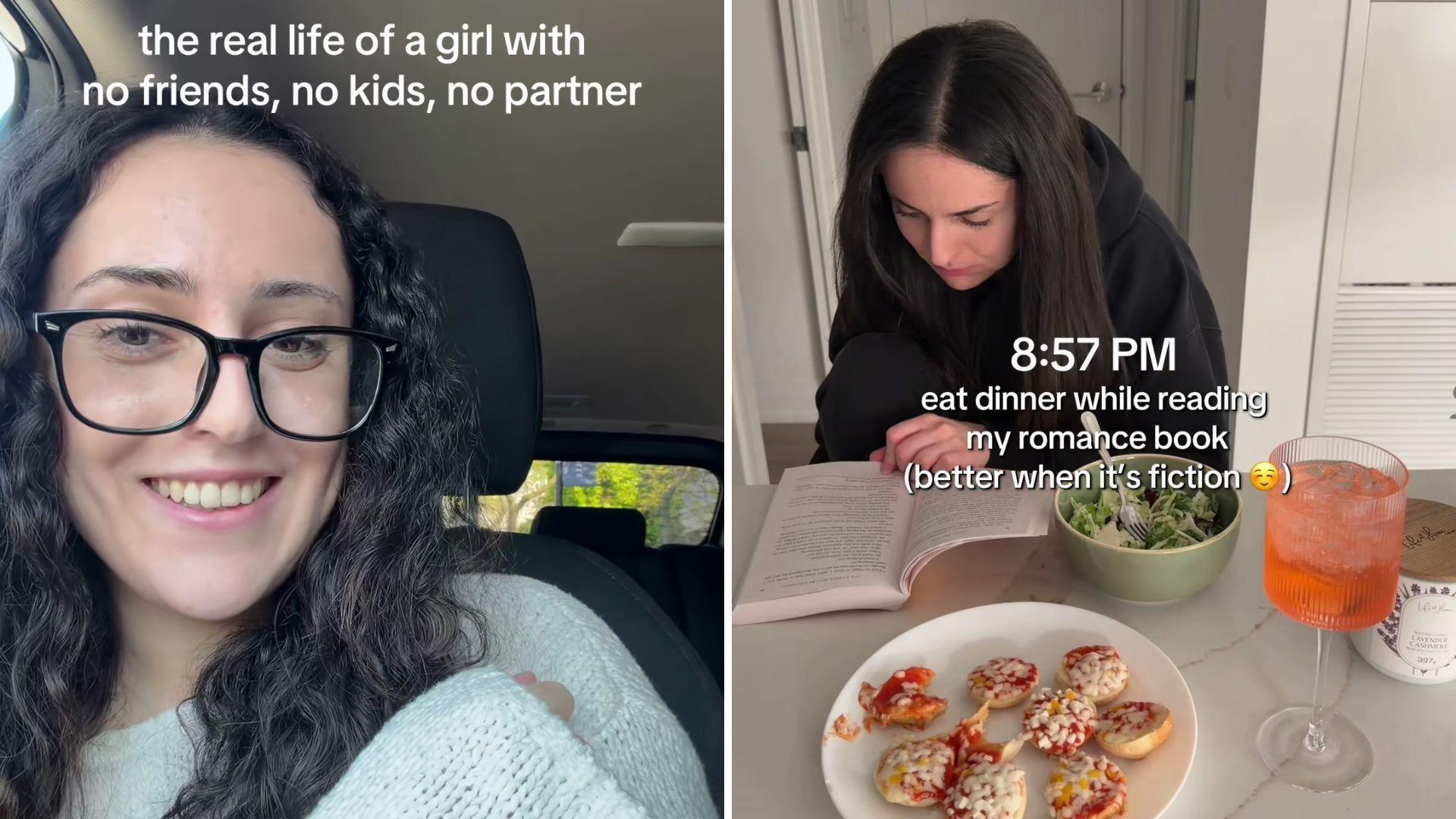
On a quiet Friday night, a young woman returns home, unloads groceries, and watches a simple video that has become a cultural touchstone for millions. The clip—directed by TikTok star Lana Isa—shows a typical evening: a pizza, a premade salad, a candle, and a brief view of a snow‑covered skyline. The tagline on the footage declares a life without friends, yet the video’s gentle rhythm invites viewers to imagine themselves in that space.
Alone, but not lonely
Isa’s followers grew from a handful of early fans to over 175 000 in just eight months, and her videos have earned seven million views. She and a growing cohort of women share rituals—solitary fast‑food runs, reading by a lake, late‑night grocery trips—that paint solitude as a deliberate, peaceful choice rather than an involuntary state. Their content spotlights quiet moments where self‑care feels like an art form, contrary to the social media flamboyance that rewards constant connection.
Critics label the movement “loneliness influencers,” arguing it glamours isolation or pushes people toward “cosy defeatism.” Yet many creators assert that they simply document their realities. “I never romanticise having no friends,” one says. “I want people to see that solitude isn’t a curse but a way to recharge.”
Destigmatising loneliness
Medical researchers emphasize the distinction between chronic loneliness imposed by circumstance and loneliness derived from choice. Professor Melody Ding notes that “everybody feels lonely at some point, but admitting it is often difficult.” She warns that while solitude can echo positive agency, total isolation still threatens mental and physical health because “we are a social species.” However, these influencers often act as a bridge, allowing people to “de‑emphasise” their friendless status and look for new social bonds.
For those like Devon Noehring—a pet‑loving introvert with a large following—highlighting productivity and calm forbids the stigma that alone equals lonely. She encourages celebrating independence while acknowledging the need for calm companionship. Similarly, SJ Hoadley, who faced an abusive relationship and had to rebuild in a new city, finds comfort in the quiet and has begun to “enjoy and embrace independence.” The shared stories create an online community where lonely is not labelled “soso.”
Overall, these creators meet a social need by showcasing authenticity. Dr. Anne Oeldorf‑Hirsch notes that the appeal lies in providing a “balance” to the hyper‑glamourised influencer culture. Viewers feel validated when seeing themselves reflected; they aspire to find people who relate to them on their own terms.
In a world saturated with highlight reels and FOMO, the quiet trend proves that solitude can be the new aspirational lifestyle—one that redefines loneliness not as a flaw, but as a space for calm, resilience, and future connection. The conversation continues: How will society adapt to this gentle shift? The answer may lie in how much we value authentic, quiet moments and the community we choose to build around them.