In brief
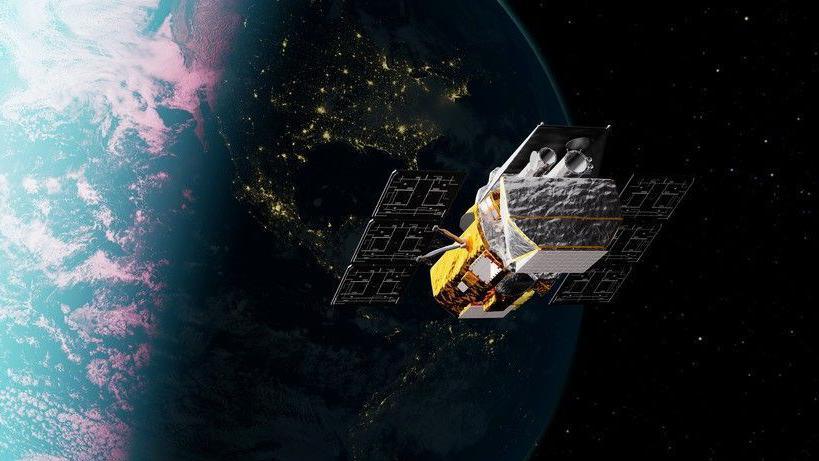
NASA has sent the radiation‑capable LINK spacecraft to rescue the aging Swift gamma‑ray burst telescope which is slowing under the influence of solar activity. The Swift observatory, launched in 2004, has descended from 373 miles to 220 miles above Earth and is at risk of re‑entry. LINK will grapple Swift with three manipulators and push it back to a stable orbit, a first for commercial satellite repair. The mission carries high risk but is crucial for the continued study of powerful cosmic explosions.
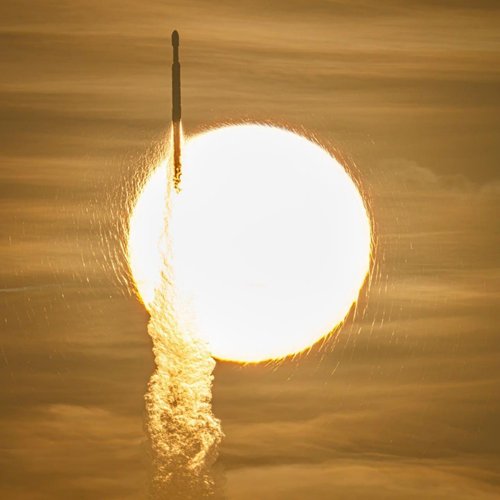
NASA has launched the LINK spacecraft, a robotic rescue platform designed to recover the Swift gamma‑ray burst observatory that is slipping into Earth’s atmosphere.
Swift launched in 2004 for high‑energy astronomy but solar activity has pulled the edge of the atmosphere closer, reducing the telescope’s orbit from 373 miles to 220 miles.
LINK will approach the telescope with three manipulators, grip the structure, and then gently boost its orbit back to a stable altitude where it can continue scientific operations.
The mission is only the second commercial satellite repair attempt in history and carries significant risk, but many scientists believe the data Swift provides is field‑critical.
If successful, this could set a precedent for future rescue missions, including the possibility of restoring the Hubble Space Telescope.