PORTLAND, Maine (AP) — The U.S. ocean regulatory body, NOAA, is moving forward with plans to revise longstanding vessel speed rules aimed at protecting the dwindling North Atlantic right whale population, which has led to sharp criticism from various environmental organizations.
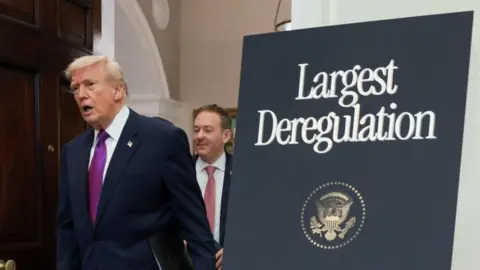
The North Atlantic right whale, an endangered species with fewer than 400 members left, is often at risk of collisions with vessels within its migratory path along the East Coast. Current regulations mandate that large ships reduce their speed during specific times to mitigate this threat. However, NOAA has signaled intentions to propose deregulatory-focused changes that would aim to ease restrictions perceived as burdensome to the maritime industry.
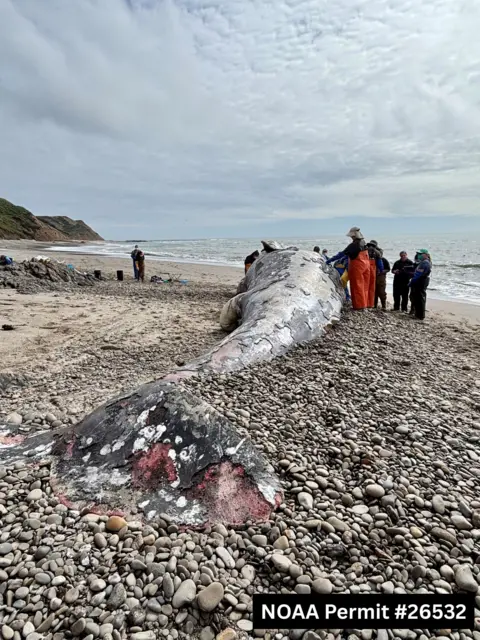
The agency indicated that further details regarding the impending changes would be provided soon and emphasized the integration of innovative technologies and engineering solutions in its conservation efforts. The announcement coincides with the confirmation of the death of a 3-year-old female right whale off the coast of Virginia, raising alarms about the species' survival. Environmental advocates, such as Jane Davenport from the Defenders of Wildlife organization, have urgently called for more robust protections, insisting that any weakening of regulations comes at a critical time for right whale conservation.
Every year, these whales migrate from their breeding grounds off Florida to feeding areas in New England and Canada, a journey that exposes them to ship strikes and entanglement in fishing gear. Despite a strong push from conservationists to expand slow zones and include additional vessels under speed restrictions, the previous administration withdrew proposals due to time constraints related to regulatory processes.
Opponents of these regulations within the shipping industry, including the National Marine Manufacturers Association, have long criticized vessel speed restrictions, labeling them as outdated and advocating instead for technology-driven solutions to prevent whale strikes. As the situation develops, the balance between regulatory measures and industrial interests will be under close scrutiny.