WASHINGTON (AP) — In a notable move, the Smithsonian's National Portrait Gallery has removed references to President Donald Trump's two impeachments from his display. This change adds to ongoing debates about political influence over cultural institutions and their presentations of U.S. history.
The alteration involves the deletion of textual summaries that accompanied Trump's portrait in the American Presidents exhibition, which previously detailed significant aspects of his presidency, including his impeachment charges and acquittals. Currently, Trump's portrait is displayed alone without any accompanying descriptive text, although the information remains available online.
The White House has not confirmed whether it requested this change. However, President Trump ordered a comprehensive review of exhibits at the Smithsonian in August as part of his administration's initiative aimed at celebrating American exceptionalism in anticipation of the upcoming 250th anniversary of the Declaration of Independence.
The removed text had noted Trump's Supreme Court nominations, the development of COVID-19 vaccines during his administration, and concluded with references to his impeachment. It also detailed his comeback victory in the 2024 election, highlighting his unique position as a president who served non-consecutive terms.
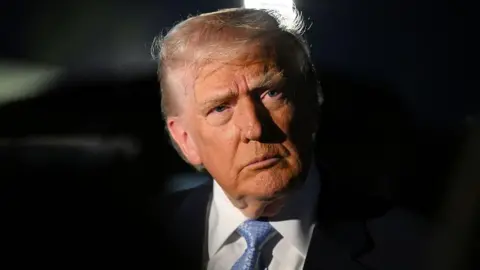
White House spokesman Davis Ingle praised the new portrait, suggesting it captures Trump’s "unmatched aura," while further noting that the gallery is undergoing updates to its American Presidents exhibit.
Critics are concerned about how the erasure of impeachments from Trump's display reflects broader themes of political revisionism and undermines the historical integrity of museum narratives. Despite these changes, references to impeachments of past presidents, such as Andrew Johnson and Bill Clinton, remain intact in their respective displays.
As Trump has been actively reshaping narratives around his presidency, these recent adjustments at the National Portrait Gallery signal a complex interplay between political power and cultural representation within American institutions.