In a significant shift for aviation safety, the Federal Aviation Administration (FAA) announced on Wednesday that air traffic controllers will now utilize radar, rather than solely relying on visual checks, to ensure that helicopters maintain a safe distance from arriving and departing airplanes. This decision comes in the wake of last year’s tragic midair collision near Washington, D.C., which has prompted federal officials to take urgent action.
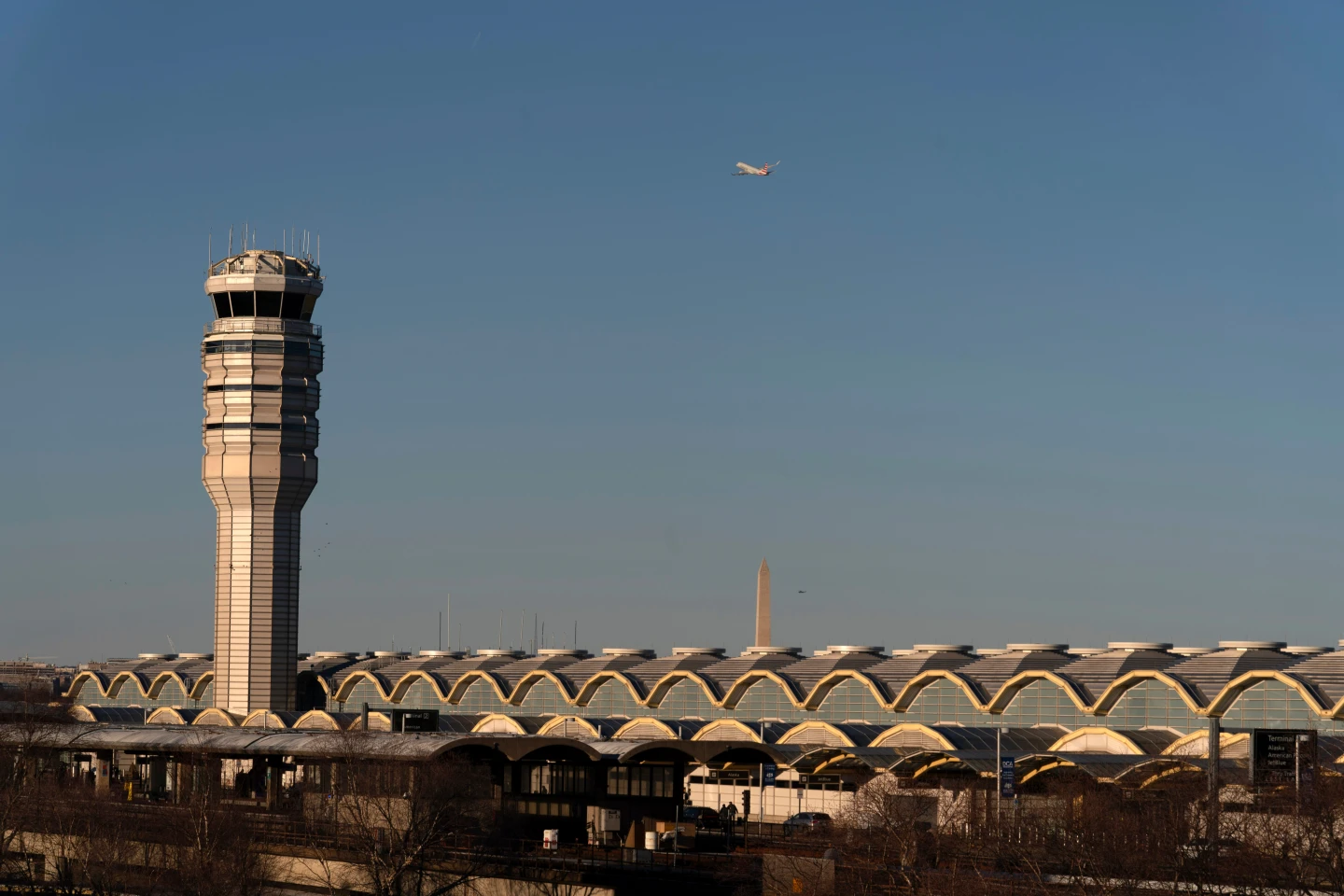
Recent near-miss incidents have led the FAA to conclude that the previous guidelines, which encouraged pilots to maintain visual separation between helicopters and planes, were inadequate for ensuring safety around busy airports. The new regulations will apply to more than 150 of the busiest airports in the United States, building on restrictions already set at Ronald Reagan Washington National Airport.
“The introduction of radar will enhance our ability to maintain safe distances and mitigate risks before they can affect travelers,” said FAA Administrator Bryan Bedford in a news release. Following the fatal collision, which resulted in 67 deaths—including many young figure skaters returning from a training camp—authorities recognized a troubling dependency on pilots' visual assessments, a practice believed to have contributed to safety incidents involving helicopters and airplanes.
Specifically highlighted was a near-miss event on February 27 at San Antonio International Airport, where a police helicopter had to change direction to avoid an American Airlines flight landing. Another incident occurred on March 2 at California’s Hollywood Burbank Airport, where a helicopter similarly had to maneuver away from a small aircraft cleared for arrival.
These recent close calls underscore the necessity for the FAA's revised approach, which aims not only to protect the lives of passengers but also to enhance the overall safety protocols within the national airspace system.