In a dramatic response to rising anti‑migrant sentiment, Nigeria has sent a flight carrying 268 compatriots back to Lagos from Johannesburg. The passengers are part of a larger group of about 1,000 Nigerians who had registered with the consulate for repatriation amid fears of abuse and xenophobic attacks in South Africa.
Across the continent, Ghana, Zimbabwe and Malawi have already carried out similar evacuations ahead of a 30 June deadline critics urge for undocumented people to leave. The downturn of relations is rooted in an unemployment rate that tops 30 %, a demographic divide that has inflamed protests and street violence against migrants.
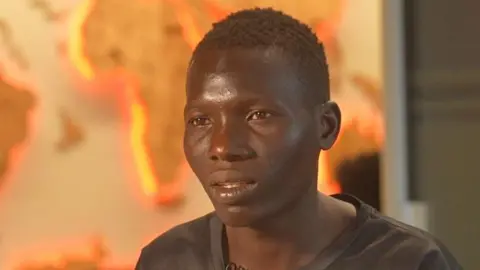
Justin, a Nigerian who has lived in South Africa since 1998, told the BBC, "I am leaving because of the conditions they have given us here. They say we must leave by or before 30 June. Because of the way they are killing people, killing our brothers, so I am not safe." He recounted an attack he suffered in a taxi where he left his belongings and phone in the heat of an assault that used derogatory labels.
Consul General Ninikanwa Okey‑Uche counters the narrative, pointing out that migrants constitute less than 10 % of South Africa’s population and that systemic problems of education, health care and policing cannot be blamed on foreigners alone.
A spokesperson for South Africa’s Border Management Agency highlighted that many of the repatriated passengers did not hold legal status to stay, and that delayed application processing can push people into undocumented status.
President Cyril Ramaphosa, in a televised address, announced measures to curb illegal migration. These include jailing employers who hire undocumented workers, creating dedicated courts to expedite deportations and a biometric database to curb identity theft. He also warned against vigilante justice.
The rebuilding of trust is crucial as South Africa approaches November local elections, where immigration is emerging as a central campaign issue. Resurgent xenophobia is reflected in protests demanding that foreigners be excluded from public services such as schools and hospitals.
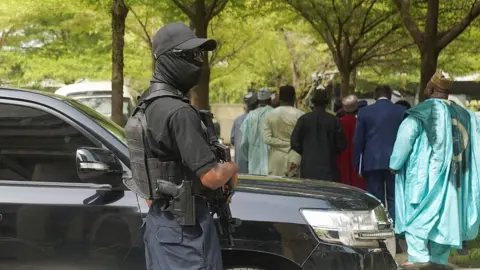
For visual context, please see the accompanying images showing the repatriated passengers at O.R. Tambo International Airport and a woman viewing her cell-phone against a backdrop of the city.