Overview
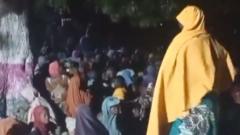
Nigeria’s army launched an intelligence‑driven operation that took a remote Boko Haram hideout by surprise, freeing more than 360 hostages from the conflict‑hit country’s north‑east.
While the Nigerian army said the assault cut short months of planning, the Borno South Youth Initiative claims it mediated a conditional release, raising the total freed to 416.
Context
Boko Haram’s raids for ransom have become common in Nigeria since the 2014 Chibok schoolgirls abduction. Although paying ransoms is illegal, desperate families sometimes comply, fueling the cycle of kidnapping.
The southern Borno state of Gamor, mainly Muslim, has repeatedly suffered attacks. In early March, militants attacked while locals were breaking Ramadan fast.
The Rescue
Lt‑Col Haruna M Sani, military spokesperson, described the assault as conducted under cover of darkness and ‘one of the most significant hostage rescue operations’ in the region. He said insurgents abandoned positions and fled, some surrendering as troops advanced.
After the operation, hostages hovered on trees overnight and received medical screenings. Two infants died from exhaustion and harsh terrain.
The After‑math
President Bola Tinubu’s adviser, Daniel Bwala, expressed national pride in the troops and recognised criticism over Nigeria’s insecurity.
Some captives were feared to have escaped into Cameroon; authorities are working to retrieve them safely.
Broader Implications
Boko Haram’s underground strongholds, though losing territory, remain a key threat. In 2025, US forces assisted Nigeria with intelligence training and joint anti‑terrorism operations.
Muslim and Christian communities continue to bear the brunt of the insecurity, while land disputes and separatist conflicts compound the problem.
For further reading, explore the BBC Africa podcasts “Focus on Africa” and “This Is Africa.”