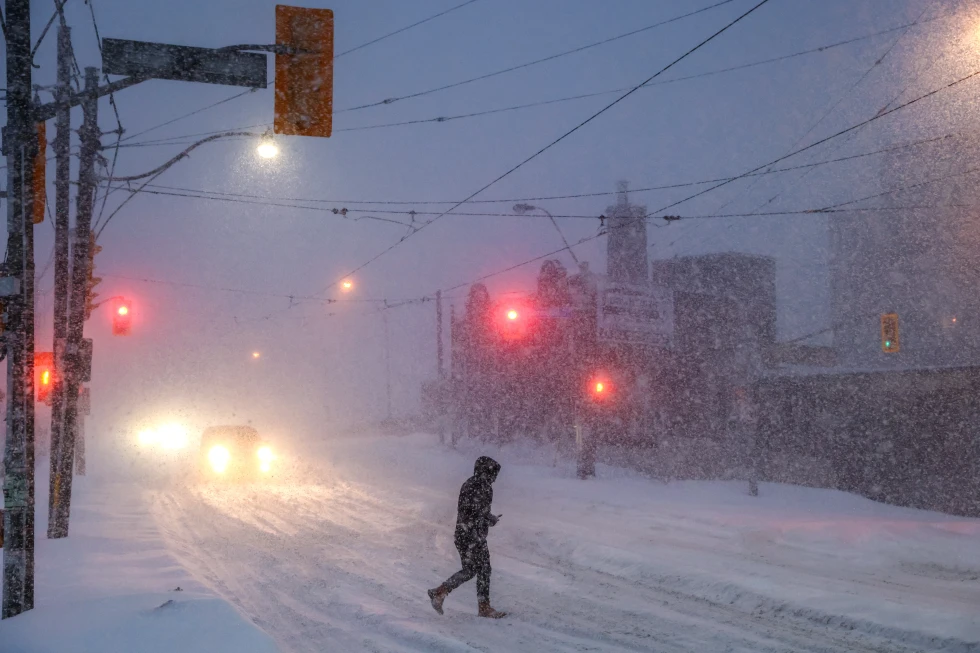
BRIDPORT, Vt. (AP) — An abrupt swing from hot weather to cold across the Northeast is frustrating some flower and fruit farmers who have had to either harvest blooms extra early or fear they could lose some crops altogether.
Frosty nights aren’t unusual this time of year. Across the region, the average date of the last frost ranges from mid-April to early June, according to the Northeast Regional Climate Center at Cornell University. However, the unusually warm weather in the first half of April is causing concern as temperatures plummet.
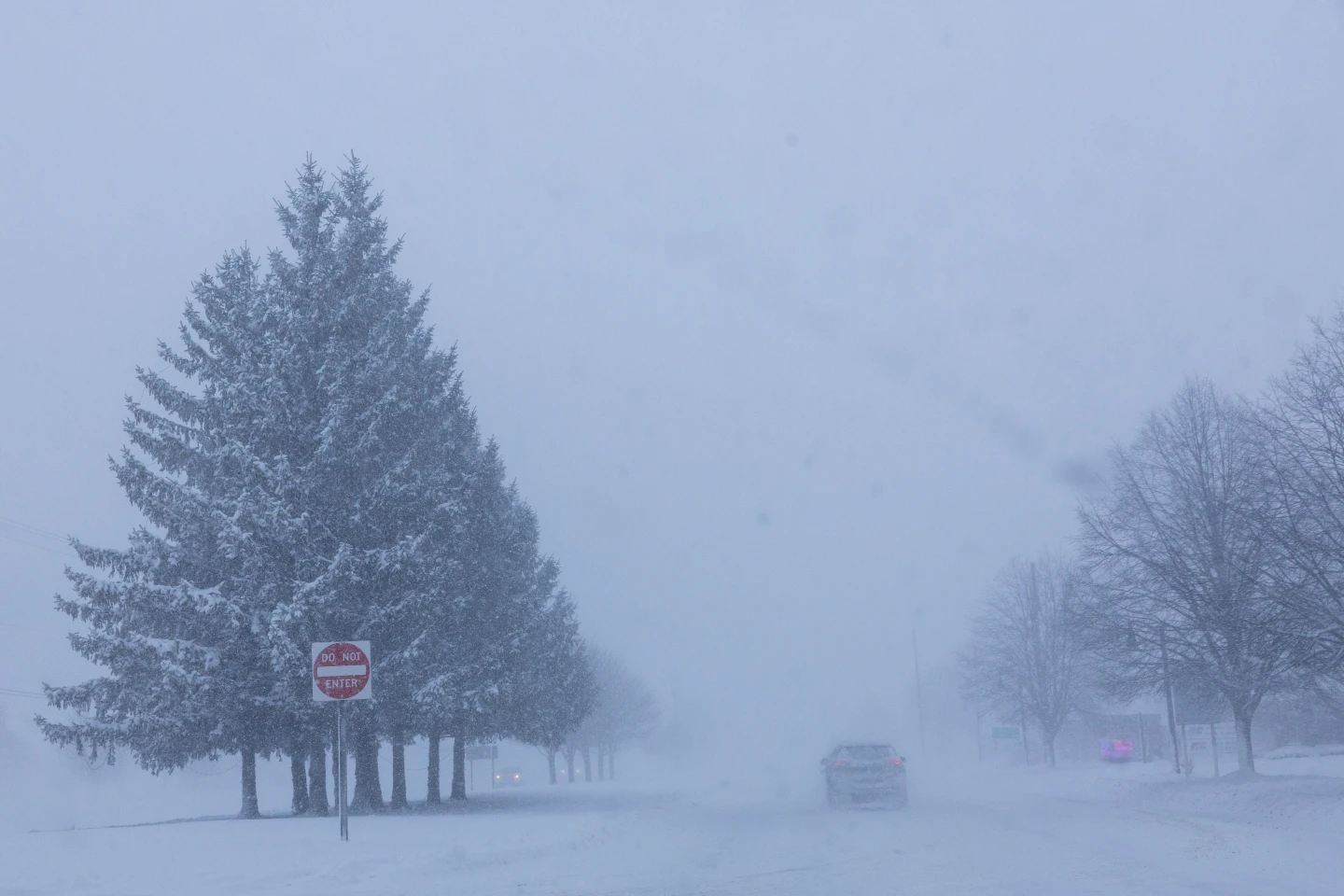
Some areas of New England have experienced temperatures rising into the 80s (around 27 Celsius) only to see snow just days later. The National Weather Service has also issued freeze warnings for parts of several states including Ohio, Pennsylvania, Virginia, Maryland, and North Carolina.
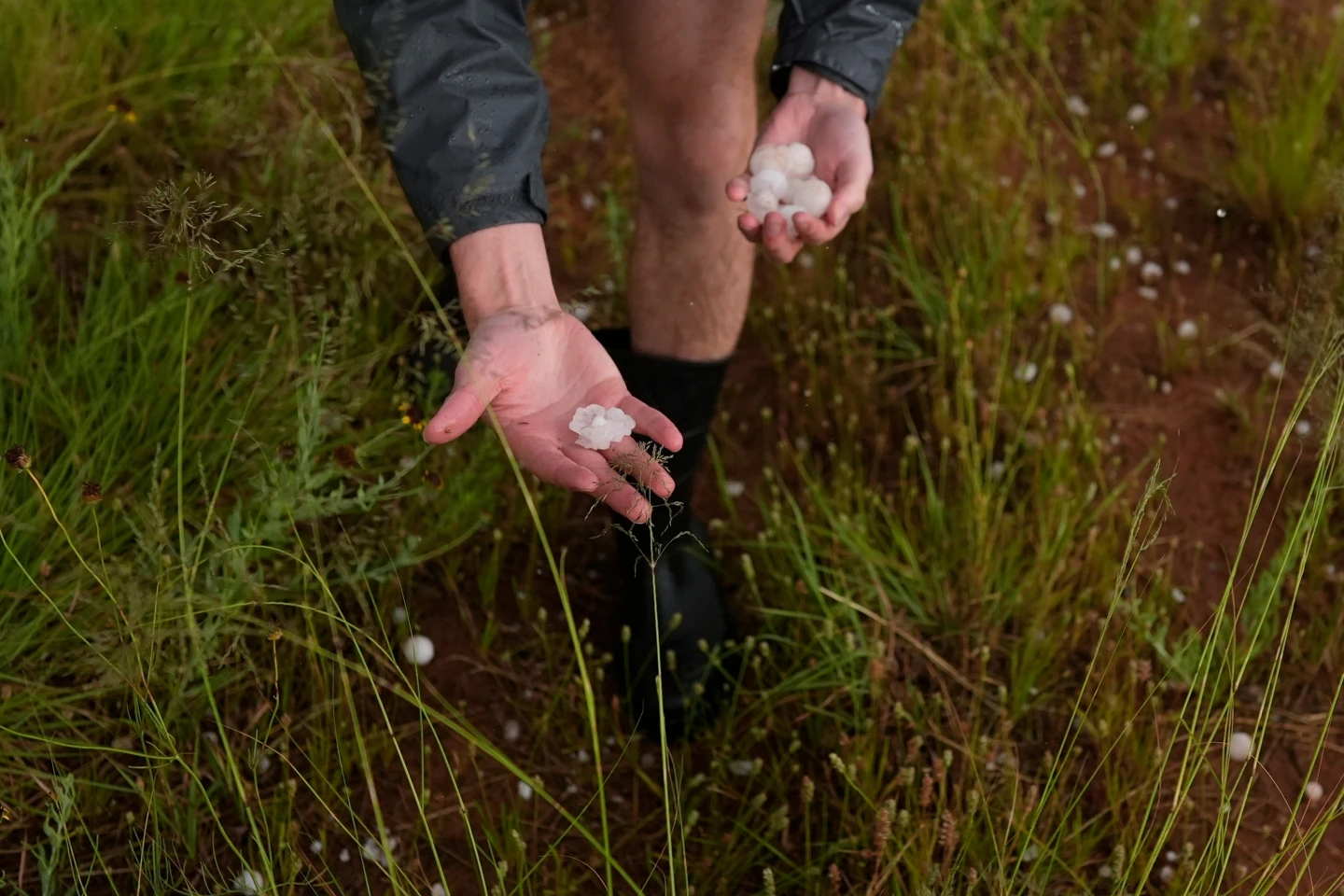
At Apple Hill Orchards in Ohio, the warm spell prompted peach and apple trees to begin budding early. Unfortunately, the subsequent dip into the low 20s (around -5 Celsius) ruined one variety of peach, according to owner Anne Joudrey. Farming is farming, and you never know what you’re gonna get, but we had a pretty good bloom, so we were expecting a pretty good crop,” she stated.
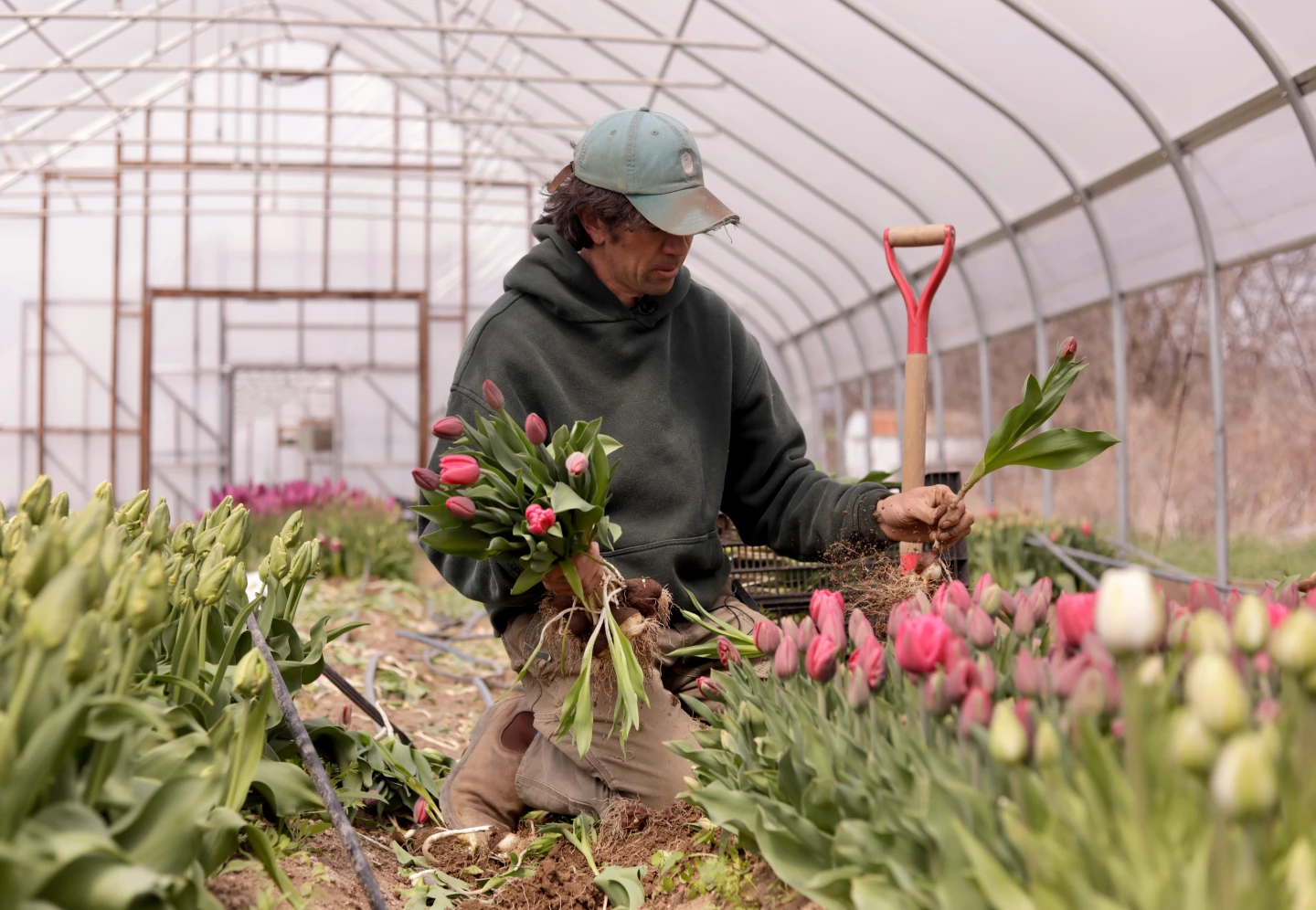
Meanwhile, in Vermont, the fluctuating temperatures have altered operations at Understory Farm, which specializes in cut flowers. Owner Gregory Witscher noted that tulips meant for the Mother’s Day season have already bloomed in greenhouses and must now all be harvested at once and stored in cool conditions to prolong their viability.
With the hot weather and then the cold weather, it's intense, and it makes things challenging,” Witscher said. He added that it’s becoming increasingly necessary for small farms to have various tools and resources at their disposal to remain flexible amidst unpredictable weather patterns.
The challenges presented by these rapid weather changes underscore the impacts of climate variability on agriculture and the adaptability required from growers to mitigate crop loss.