BISMARCK, N.D. (AP) — Tennessee farmer Todd Littleton expects to pay $100,000 more for fertilizer this season, a 40% spike from his bill last year thanks to the war in Iran — and he is scrambling to cover that extra cost.
“The problem is, is we’re so strained financially coming into this issue,” said Littleton, a third-generation farmer from Gibson County in the state’s northwest corner. “We have had a couple of record losses the last couple years, so everyone’s kinda grabbing at straws anyway, and then to have input prices increase yet again, it just really couldn’t happen at a worse time.”
Littleton, who grows corn, soybeans and wheat, is among thousands of farmers across the country who will pay far more this spring than they expected for fertilizer that is essential to their crops. Nitrogen-based fertilizer is especially vital for corn, usually the largest crop in the U.S. and one that feeds the nation’s livestock and is converted into fuel that helps power most U.S. cars and trucks.
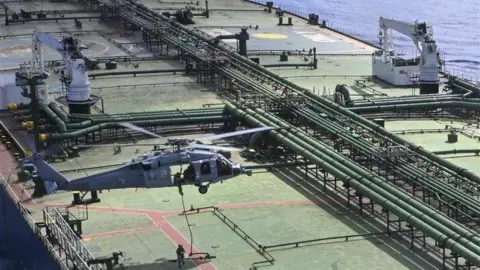
Farmers have complained about costly fertilizer for years, but prices have soared even higher since the U.S. and Israel attacked Iran on Feb. 28, leading to a slowdown in shipping through the Strait of Hormuz, a chokepoint for 20% of the world’s oil and natural gas. Besides increasing the price of fuel, which is key in the production of fertilizer, the shipping disruption also has largely stopped the export of nitrogen fertilizers manufactured in the Persian Gulf and limited access to key fertilizer ingredients.
About 15% of fertilizer imports to the U.S. are from the Middle East, and about half the global supply of the key ingredient urea comes from the region, along with 30% of ammonia, according to the American Farm Bureau Federation.
“When the ports started raising their nitrogen prices due to the conflict due to shipping concerns, that directly affects me here on the farm,” Littleton said.
Some farmers may not find fertilizer
But it could be worse, as some farmers may not be able to obtain fertilizer at any price, said Zippy Duvall, president of the American Farm Bureau Federation.
“We’re being told that many of our farmers that haven’t preordered their fertilizer and paid for it may not even obtain the fertilizer that they’re going to need during the season or for spring planting,” Duvall said. “That’s why this situation is so serious.”
Even before the latest price increase, other factors in the last several years have led to high fertilizer prices, starting with the war between Ukraine and Russia, which blocked access to raw materials and increased natural gas prices. China also cut phosphate exports as it focused more on domestic needs.
Experts say don’t expect a quick fix
Experts warn that the disruption in fertilizer supply chains is significant and may take time to resolve. “We don’t quite know how it’s going to shake out,” said Nancy Martinez, director of public policy, trade and biotechnology for the National Corn Growers Association.
Despite some domestic production of fertilizers, the rising cost of energy impacts farmers by making inputs more expensive, contributing to ongoing economic pressures faced by farmers.