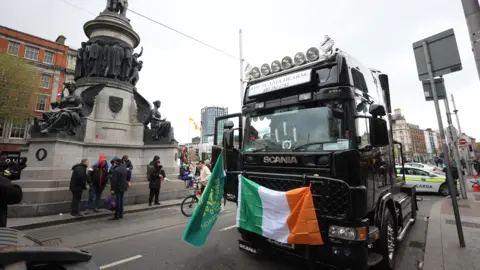
The Irish Government has confirmed that a fuel support package is being finalized after a day of what they described as 'constructive engagement' with representatives of the haulage and farming sectors.
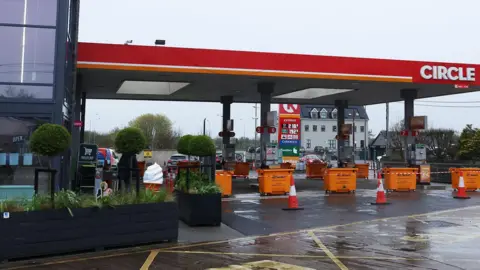
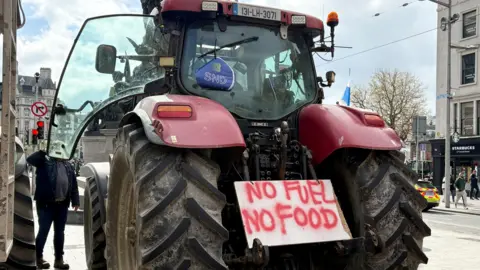
The move came as travel across parts of the Republic of Ireland was affected for the fourth day in a row as slow-moving convoys made up of vehicles, including tractors, blocked roads in protest against high fuel prices caused by the US-Israeli war against Iran.
Irish ministers had said earlier on Friday that no further package of support measures would be announced until fuel protesters ended their blockades around the country. Meetings between Irish ministers and stakeholders are expected to continue over the weekend.
Tánaiste (Irish deputy prime minister) and Finance Minister Simon Harris said that there will be a 'substantial and significant' package of support for 'key sectors of the economy'. Speaking to Irish broadcaster RTÉ, Harris stated that the talks were 'going well', adding that further 'intensive engagement' into the weekend was likely. However, he emphasized that 'The blockade has to end.'
Earlier, Taoiseach (Irish prime minister) Micheál Martin expressed concern over the protests, stating that the blockades mean the country is 'on the precipice of turning oil away from the country' amidst a global oil supply crisis.
Long queues were reported on the M1, heading towards the border with Northern Ireland, due to protesters closing the motorway at Dundalk, blocking both lanes at the Carlingford turnoff. The National Emergency Coordination Group (NECG) indicated that fuel supplies for emergency response vehicles, including ambulances and fire services, were under 'increasing pressure'.
In a statement, they noted: 'These vehicles rely on retail fuel forecourts for their fuel supply through the use of fuel cards.'
Following a meeting on Friday, the Irish ministers for health issued a joint statement condemning the serious risks to patient safety caused by the blockade of fuel supplies, urging protesters to cease the restrictions on access to critical fuel infrastructure immediately.
Protests have involved road blockades across multiple counties, including Dublin, with farmers and truck drivers demanding government action to address soaring fuel costs exacerbated by geopolitical tensions impacting global oil supplies.
Kildare farmer John Dallon commented on the potential duration of the protests, indicating that they might continue for 'maybe another week, maybe two weeks' if necessary. Sinn Féin leader Mary Lou McDonald criticized the government for excluding protesters from talks, implying it escalates the crisis further.