In brief
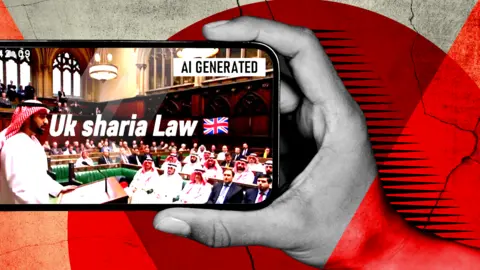
An investigation by the BBC has identified a network of interconnected social media accounts producing anti-immigration AI-generated videos. These accounts, often portraying a dystopian UK in decline due to immigration, are largely operated by individuals based in Sri Lanka, the US, and other countries. The content aims to influence public opinion and has garnered millions of views, raising concerns about the effectiveness of AI in creating divisive narratives and the challenges of discerning fact from fiction in today’s media landscape.
The Great British People Facebook page, purportedly from Yorkshire, has gained 1.3 million views for its latest video featuring an elderly white British man expressing distress over his pension. Additionally, other videos discuss the purported overwhelming scale of mass immigration, questioning if viewers long for the Britain we used to know. However, the actual creators of this content are believed to be based overseas, primarily in Sri Lanka.
This situation is part of a broader issue uncovered by BBC Panorama and the Top Comment podcast, which has identified numerous Facebook and Instagram accounts propagating anti-immigration narratives through AI-generated videos. The accounts often present a distorted reality about immigration in the UK while their operators are located far away in various countries including Sri Lanka, the US, Vietnam, and the Maldives.
Researchers have highlighted how these videos exploit misinformation, asserting that exposure to AI-generated content may make audiences more skeptical of authentic news. London Mayor, Sir Sadiq Khan, noted the detrimental effects of this content on London's reputation internationally, indicating that some creators may be driven by profit motives, while others could be supported by foreign governments.
As the issue of disinformation grows, experts like Prof. Sander van der Linden suggest that these tactics represent a new wave of influence operations. Despite the stakes, social media companies continue to face criticism about their efforts—or lack thereof—in combating such inauthentic behavior. Meta's representative stated their commitment to addressing coordinated inauthentic behavior through community standards enforcement.
Misinformation campaigns such as these underscore the ongoing challenges that platforms, researchers, and society confront when differentiating between genuine content and manipulative AI-generated outputs in today's digital age.