The struggle to keep fifty‑plus,000 migrants alive has come to a head. As the deadline set by March & March, a coalition of anti‑migrant activist groups, ActionSA and other parties, approaches, voices around the country echo the chant, “Mabahambe”- they must go.
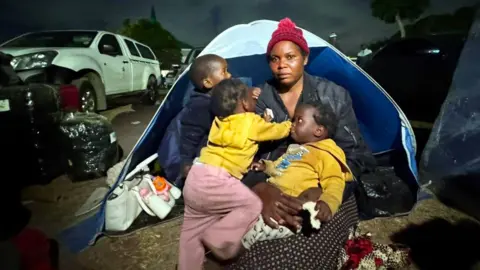
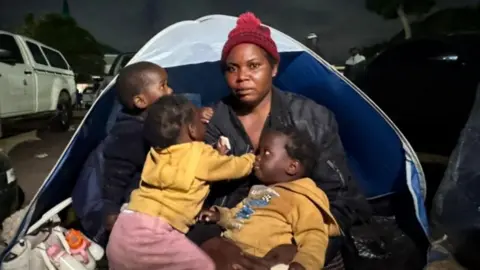
In the port city of Durban, thousands of people, predominantly from Malawi and other Southern African states, have gathered in an open field, poised for departure. The most immediate threat comes from men who have arrived at homes carrying machetes and whips, demanding that migrants leave the country. “The people came to my house… they were holding my husband’s neck,” says Esnat Joseph, a 36‑year‑old Malawian with triplets.
The protests are largely peaceful but carry a clear message. Participants hold sticks while chanting “Siyahamba, we’re leaving”; earlier, the crowds shouted “We are leaving” at the arrival of a repatriation bus. The mood is one of terror—far too many migrants are statistically undocumented by lack of papers, a factor protesters understate.
South Africa’s unemployment sits above 30 %, with 350,000 young workers out of jobs this quarter alone. The rhetoric that migrants exacerbate the problem echoes years of xenophobic violence: 62 people lost their lives in 2008, whilst 2015, 2016, and 2019 saw repeated attacks. Rising economic inequality and a crisis of public services create fertile ground for distrust.
The government has responded with a series of measures: a new quota for naturalisation, digital IDs extended to non‑citizens, and Operation New Broom which has seen informal black‑metal shops bulldozed in Johannesburg. Ramaphosa warns that scapegoating vulnerable people is not acceptable and stresses the importance of protection against xenophobia.
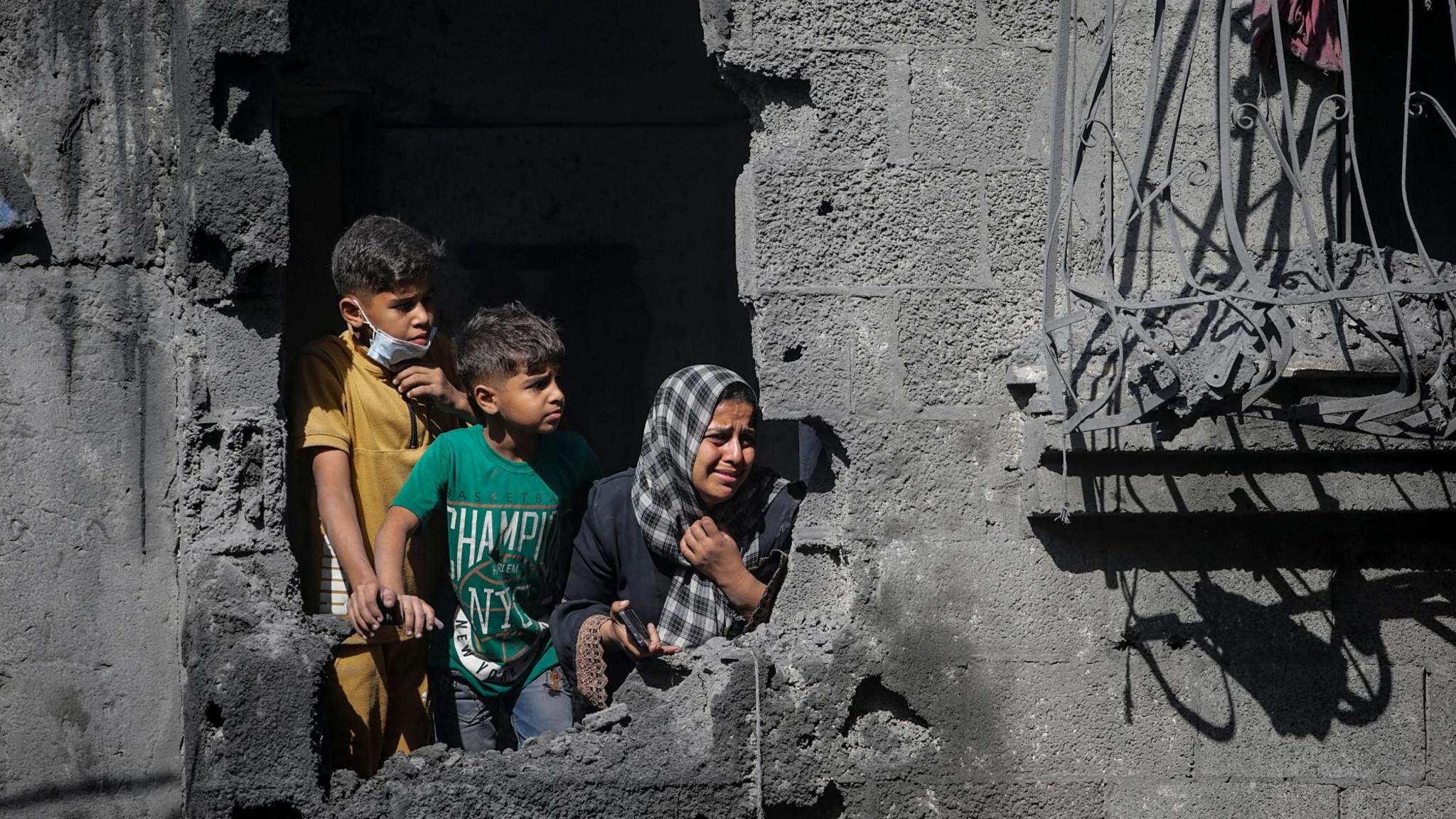
For many migrants, the situation feels personal. A Burundian mother with four children says, “I am afraid for my life. The children are afraid. There is no respect; when you pass by here you are insulted.” A Malawian beauty therapist recounts taxi riders demanding her papers that she never had, escalating her fear of retaliation.
The 30 June deadline disproportionately impacts those who have found refuge in South Africa, many of whom have lived here for years and lost passports to theft. Initiatives by Malawi and other neighbouring states have established bus lines to repatriate those who wish to return; others still await their turn at border posts. Lines of vehicles clog at Mozambique’s border, amplifying the sense of impending loss.
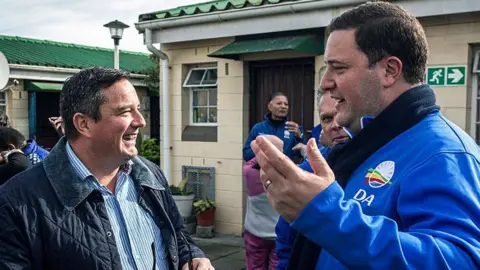
The ongoing protest movement, however, does not represent a unified stance among all political parties. MK, the third largest political party, condemns violence but supports the idea that undocumented migrants should leave peacefully. The government’s counter‑measure package, combined with targeted political messaging, risks to create an environment where hate breeds again, echoing the 2008 riots when 62 people died in violent fallout.
These growing tensions and the unresolved systemic issue of unemployment warrant a more inclusive approach. Integrating migrants into the economy—through pathways to legal status, fair wages, and societal protection—could alleviate the storm of xenophobia and foster stability for all South Africans.