A record snow drought with unprecedented heat is affecting much of the American West, leading to concerns about future water supplies, vulnerability to wildfires, and a decline in winter tourism and recreation.
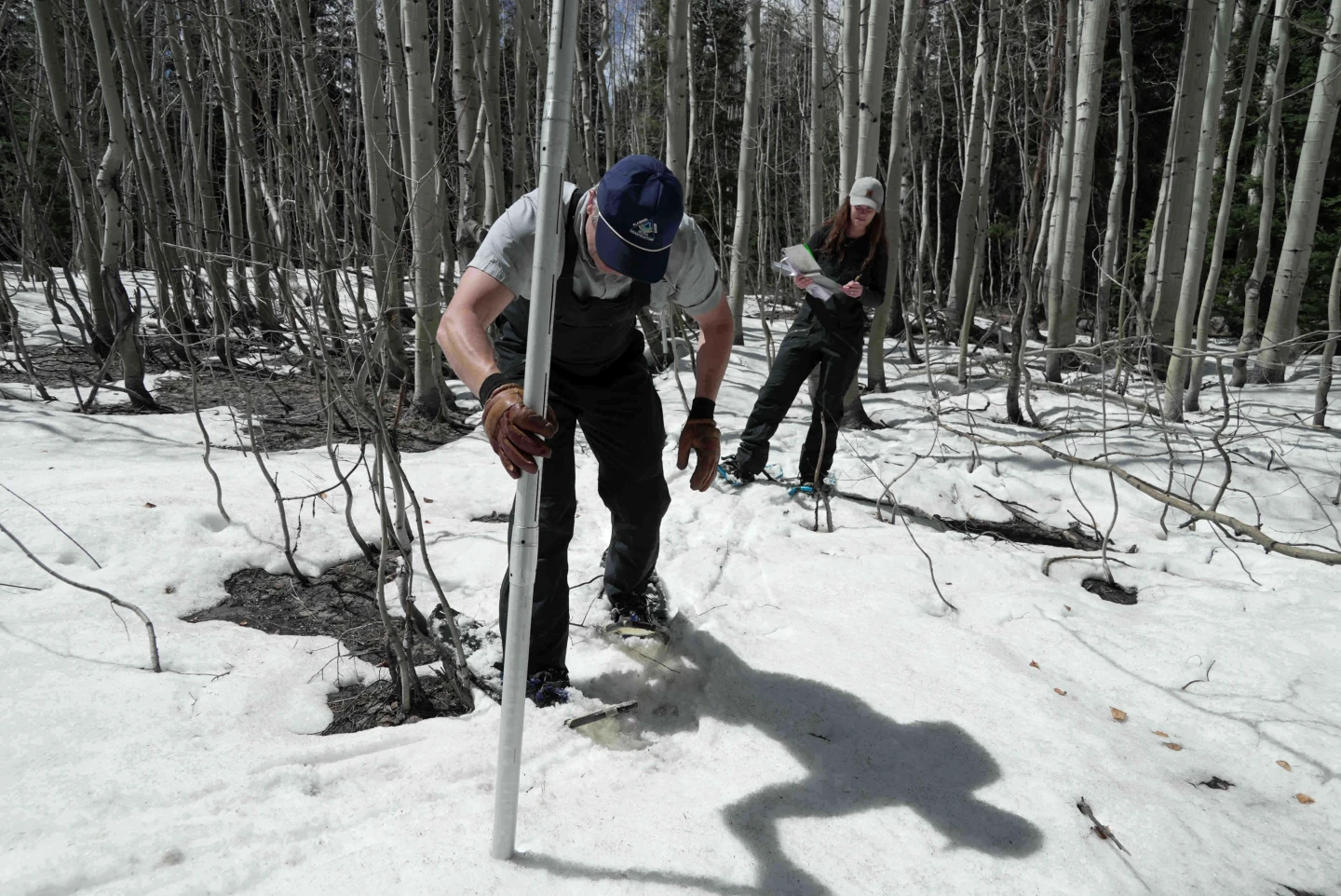
Scientists report that snow cover and snow depth are at their lowest levels in decades, with 67 Western weather stations recording their warmest December through early February on record. Currently, snow cover is about 155,000 square miles, significantly below the normal of 460,000 square miles.
Mark Serreze, director of the National Snow and Ice Data Center, expressed his astonishment at the current winter conditions, stating, “I have not seen a winter like this before.” The snowpack in Oregon is not only record low but 30% below the previous record.
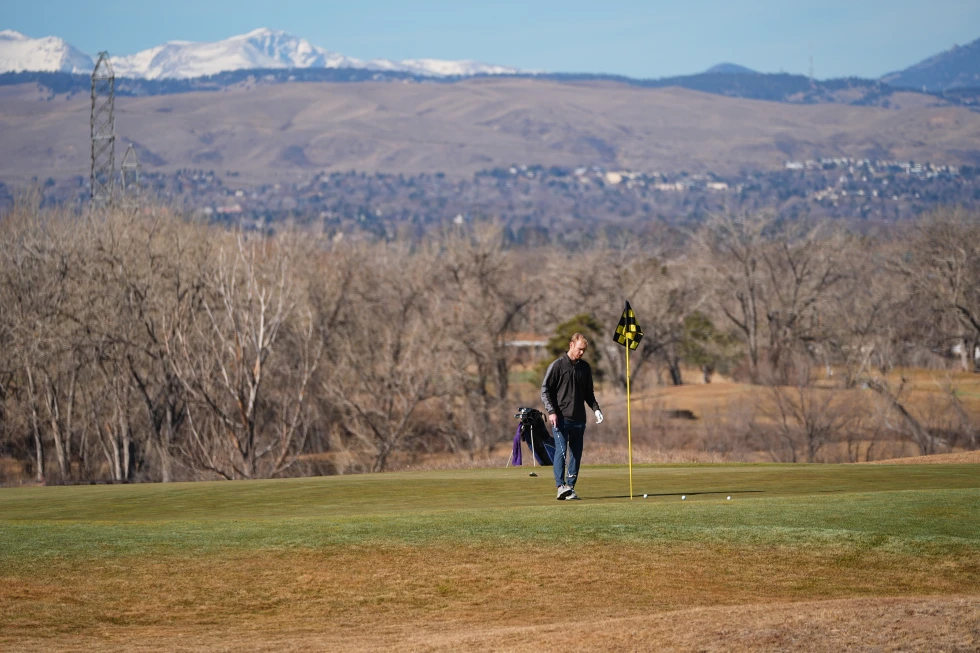
On the east side of the Rockies, unusual cold persists, but in places like West Jordan, Utah, residents experience unseasonably warm weather. Locals miss the snow and the winter sports it brings as they adapt to current conditions.
Concerns over water supply and wildfires
Ski resorts have faced challenges this season due to the lack of snow, raising concerns about broader impacts. Oregon, Colorado, and Utah have recorded their lowest statewide snowpack since the early 1980s. A dry January with subpar precipitation levels has further aggravated the situation.
The conditions have led to a concerning trend for the Upper Colorado River Basin. Water from mountain snowpack is essential for various sectors, including agriculture and hydropower. However, a diminished snow presence could mean less water in the rivers later in the year.
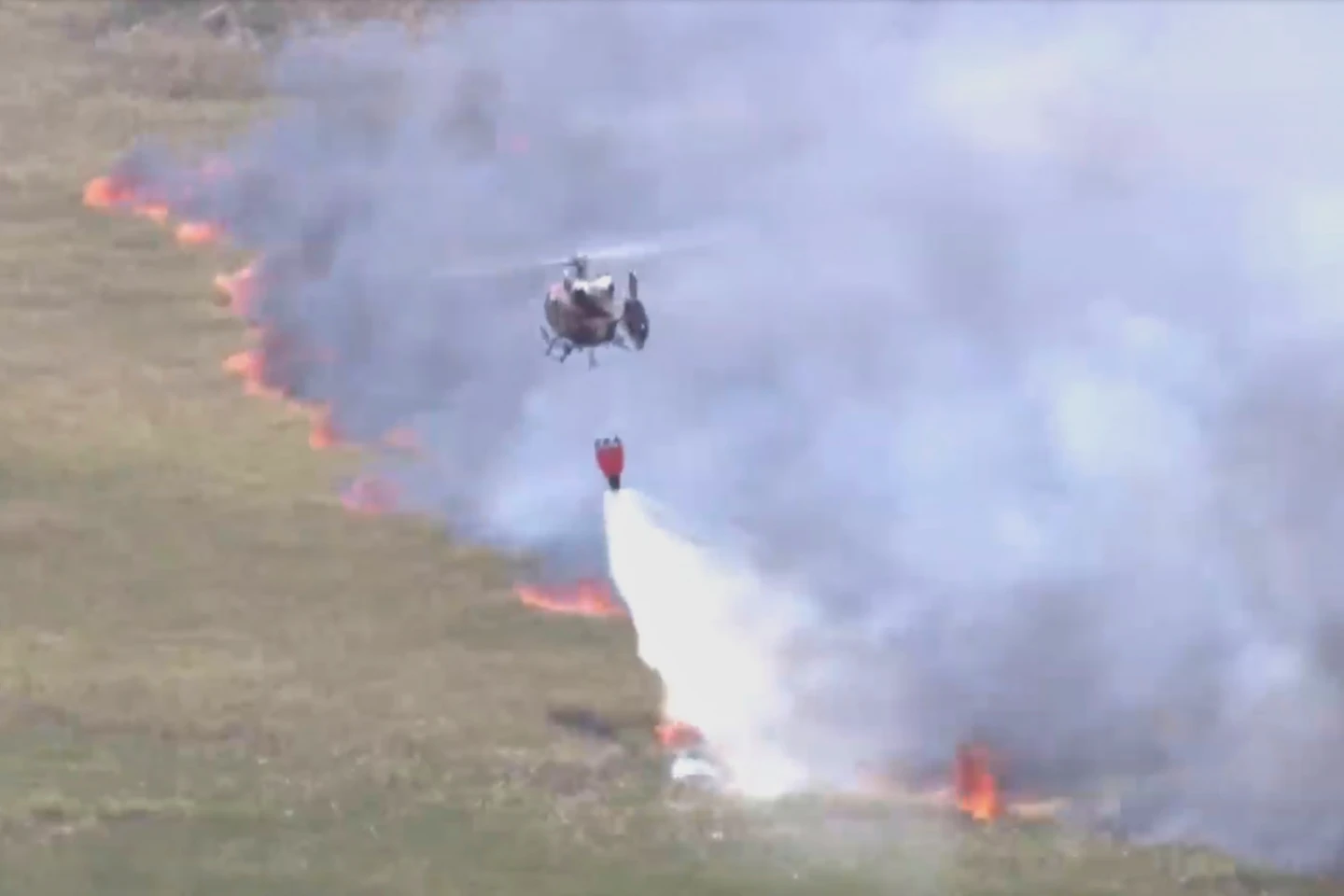
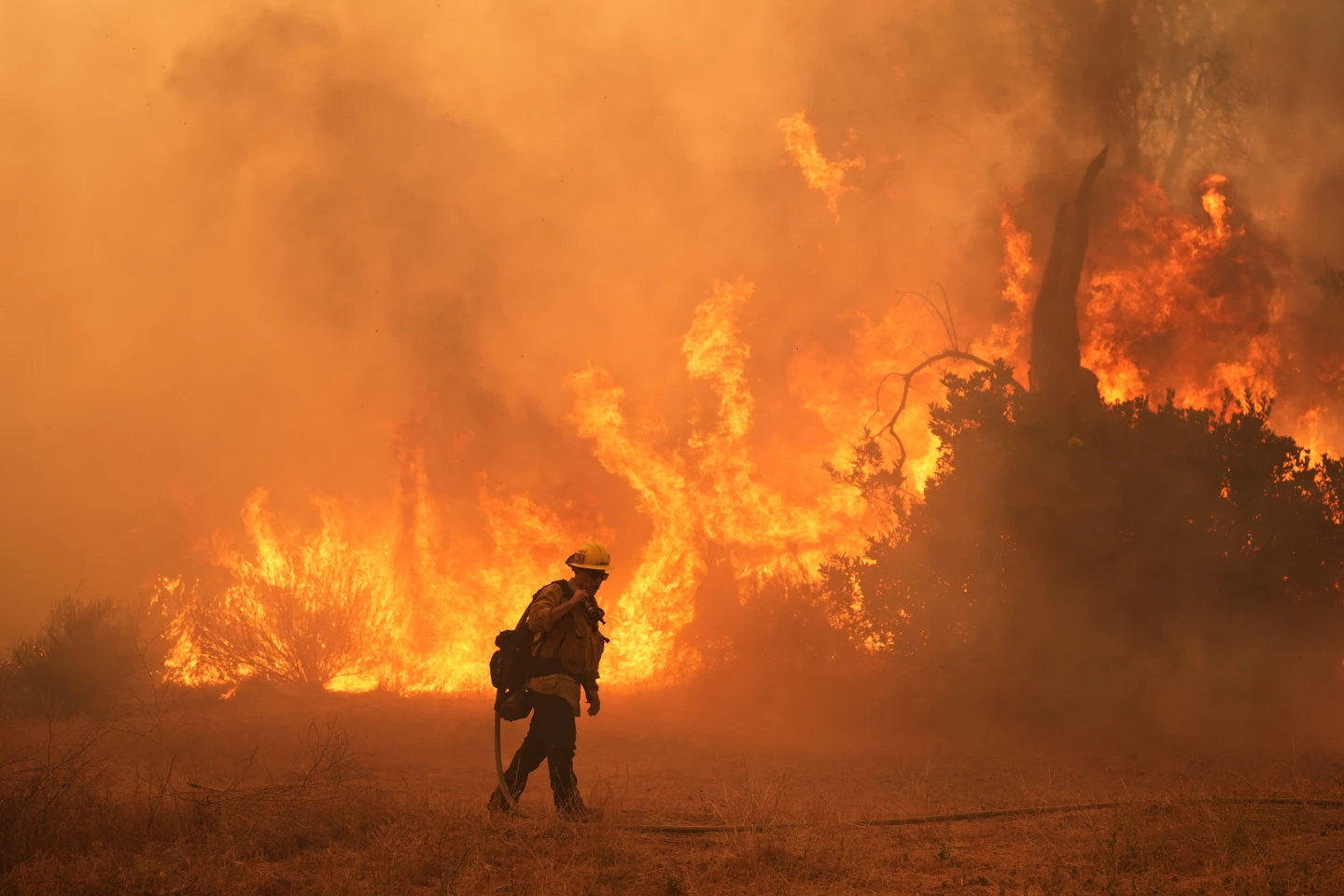
Experts warn the current snow drought may lead to early wildfire seasons, as reduced snow and subsequent drying of vegetation create conditions conducive to wildfires in the spring and summer.
Too warm to snow
While the region has faced dryness, the record-low snowpack is largely attributed to rising temperatures. NOAA reports over 8,500 daily high-temperature records broken or tied since December 1. Many precipitation events that should have resulted in snow have fallen as rain instead, causing quicker runoff.
Meteorologists predict some wetter, cooler weather this week, bringing the hope for some snow restoration. However, the overall sentiment remains skeptical. “I don’t think there’s any way we’re going to go back up to, you know, average or anywhere close to that,” said one expert, emphasizing cautious optimism for future weather trends.