As communities across the nation observe the 40th federal commemoration of Martin Luther King Jr. Day, the mood is a mixture of celebration and concern. This year’s events arrive against a backdrop of heightened political tensions, particularly regarding civil rights and social equity.
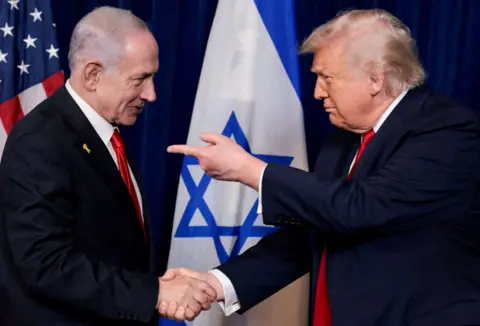
In the year since former President Donald Trump’s administration targeted diversity initiatives and confronted Black-led cities with increased federal intervention, many King admirers have expressed discontent over the rollback of various civil rights advancements. Notably, just last month, the National Park Service announced that it would cease free admission to parks on King Day—a stark shift towards celebrating different commemorative days.
Furthermore, a recent incident involving the fatal shooting of an unarmed woman by ICE agents in Minneapolis has intensified fears among immigrant communities, drawing parallels to the broader struggle for justice that King championed.
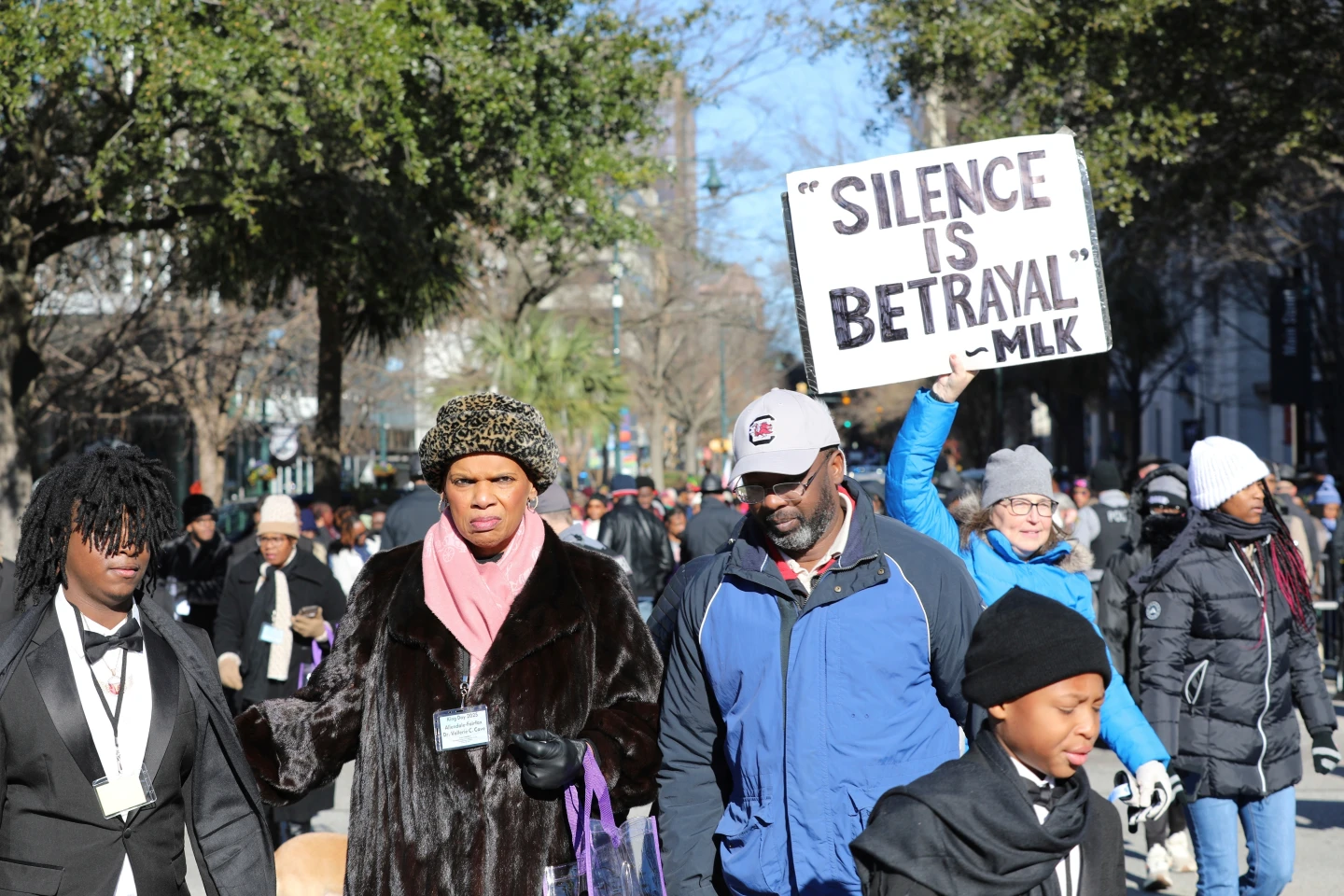
Despite the political landscape, events honoring King continue unabated, with advocates contesting the notion that the struggles for civil rights are over. Groups like the NAACP and the Movement for Black Lives are urging citizens to reclaim King’s message, planning demonstrations nationwide. Their insistence on addressing systemic injustices reflects a growing call for vigilance and activism in the face of persistent inequities.
Maryland's Governor Wes Moore emphasized the lasting impact of the Civil Rights Movement, stating it remains integral to striving for a more perfect union in America. Similarly, leaders from various advocacy organizations highlight the necessity to reflect on King’s ideals when confronting ongoing societal issues.
Yet, this year's observance is not without its challenges. Some educational institutions have curbed their planned events, including Indiana University, which canceled its esteemed King dinner amid budget constraints, raising questions about the influence of current political pressures.
As citizens gather to honor Kings’s legacy, the need for unity and continued advocacy for justice is more apparent than ever. In memory of King, many individuals and organizations plan to stand in solidarity, affirming their commitment to civil rights and equality for all.