A very cold start to 2025 and the growing power demands of data centres and cryptocurrencies saw US emissions of planet-warming gases rise for the first time in three years, a new analysis shows.
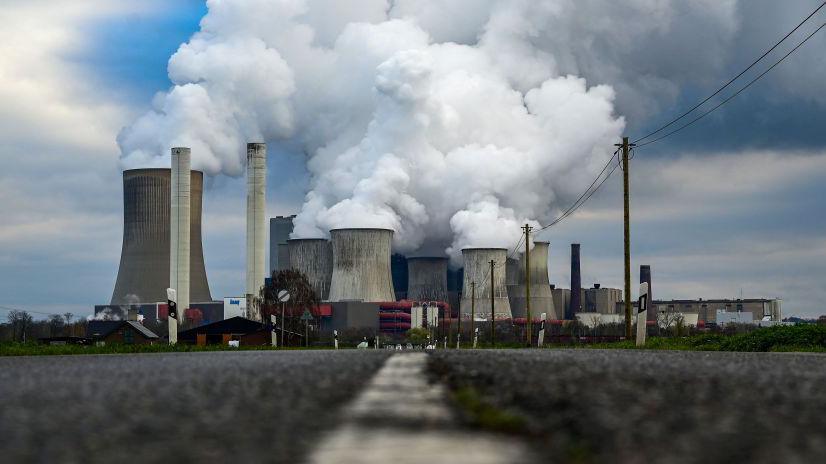
Last year homes burned more gas for heating while the use of coal surged by 13% to meet rising electricity demands, the data finds.
Although solar power also shot up last year, overall, greenhouse gas emissions went up by 2.4% after two years of decreases, outpacing the level of economic growth, according to estimates from the Rhodium Group.
The authors say the policies of the Trump administration didn't 'meaningfully impact' the rise in emissions but they expect this to change in the coming years.
In the colder parts of the United States, most homes rely on natural gas and other fossil fuels for their heating.
The low temperatures experienced in early 2025 saw consumption of these fuels increase by nearly 7% compared with the previous year.
Extra electric power was also needed by the boom in data centres and cryptocurrency mining operations in places like Texas and the Ohio Valley region.
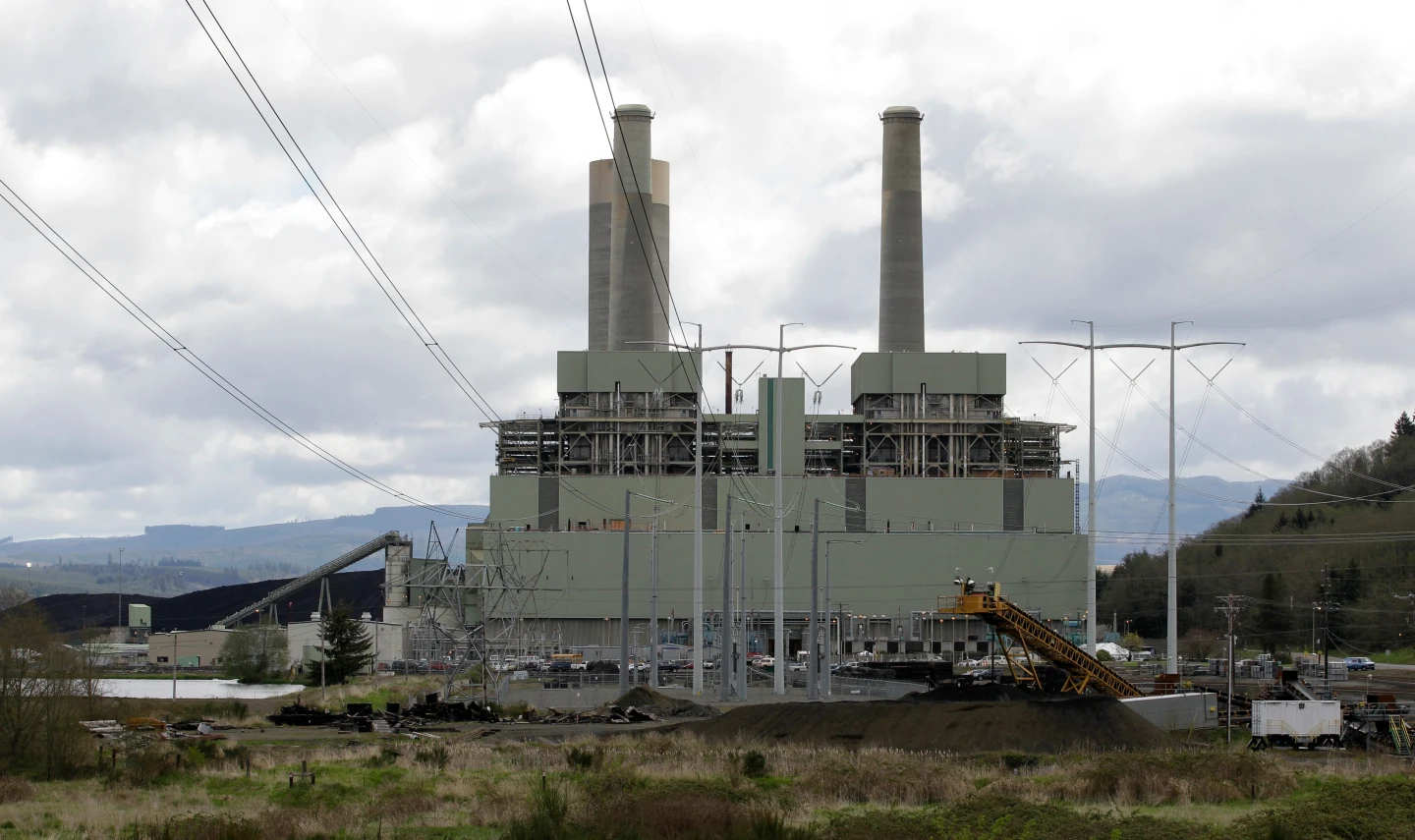
The rising demand for power combined with the higher cost of gas was behind the 13% surge in US coal use last year.
That was in marked contrast to both India and China, where coal use for electricity dropped 3% and 1.6% respectively as both countries added record amounts of wind and solar energy, according to an analysis for Carbon Brief.
The grid decided to meet that additional load this year, in part with renewables, in part with fossil but because of higher natural gas prices, there was some fuel switching that saw marginally more coal than there was in 2024, said Michael Gaffney, from Rhodium Group, the report's lead author.
Other observers see the high price of gas in the US as closely related to continuing large exports of gas to the rest of the world.
Higher natural gas prices means that finally, coal, which had been kind of driven to extinction by low natural gas prices, well [gas is] now so expensive that coal's worthwhile again, said Jesse Lee, from Climate Power, a US-based environmental campaign group.
And that's what is allowing coal to make this comeback.
Since 2007 coal power generation in the US has shrunk by 64%, with last year's rise only the second in the last decade.
Last year also saw a slowdown in the rate of coal plant retirements, as electricity companies delayed closures to meet demands.
So is 2025 the start of the revival of coal?
It's more than just a blip, said Michael Gaffney.
This is a response to the demand growth in the sector, a lot of it is coming from data centres, cryptocurrency operations, other large load customers, and that demand growth is here to stay.
Solar power also experienced a major growth spurt in the US last year, rising by 34%, the fastest rate since 2017.
Transport in the US, by road, rail and air remains the largest source of warming gases, with road traffic volumes increasing for the fifth year in a row.
However, emissions from this sector were virtually flat in 2025 due to increasing numbers of hybrid and electric vehicles on the roads.
Hybrids, in particular, showed strong growth, up 25% compared to 2024.
While President Trump has been forceful in his determination to rollback the climate-related policies of his predecessor, and to boost US extraction of fossil fuel, Rhodium analysts who carried out this report say those changes made little difference in 2025.
Some others disagree.
There is a data centre explosion, that is somewhat independent of Trump, says Lee of Climate Power.
You could argue maybe his policies haven't all kicked in full blast yet, but I don't think you can really divorce his natural gas exports and his blind support of AI and data centres from this dynamic that's driving up emissions.