WASHINGTON (AP) — Julia Dvorak is anxious that her 83-year-old mother’s frequent emergency room visits due to seizures are depleting her retirement savings, potentially forcing them onto Medicaid in the near future. Dvorak, herself 56 and managing a chronic knee condition that keeps her reliant on state and federal assistance, is also bracing for increased health costs next year.
This financial strain reflects a growing apprehension about health care among Americans, as highlighted in a recent AP-NORC poll asking respondents to identify their top priorities for the government in 2026.
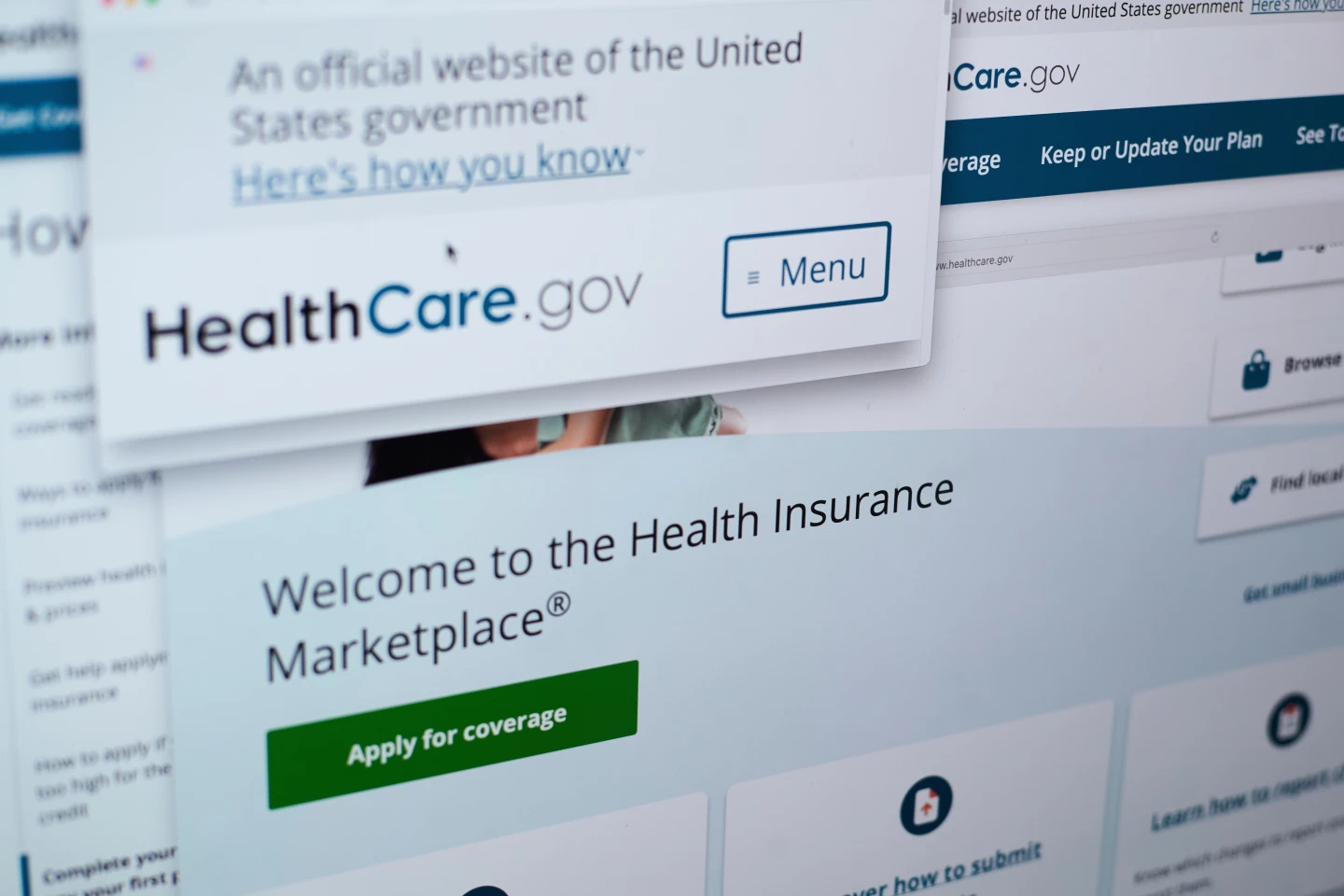
The spike in health care concerns stands out significantly compared to other pressing issues, particularly following reductions in Medicaid spending orchestrated by the Trump administration and the discontinuation of pandemic-era subsidies for the Affordable Care Act. Many Americans are now bracing for steep increases in health care costs as a result.
Dvorak articulated her worries, stating, “I see how it affects me and my loved ones. But I also know it’s affecting other people, and it’s getting worse.”
The midterm elections in 2026 may bring health care issues to the forefront as voters express their dissatisfaction with rising medical expenses.
About 40% of U.S. adults named health care as a priority issue in the recent poll, up from one-third last year. Joshua Campbell, a Republican and small business owner from Arkansas, echoed these sentiments as he was shocked by the costs of medical plans for his family. “Health care costs are pretty crazy,” he noted.
This growing concern among voters could reshape the political landscape heading into the 2026 elections, with Americans increasingly recognizing the need for substantive health care reforms.
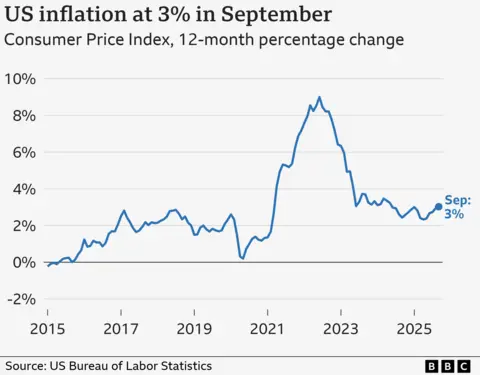
Amid these discussions, inflation and living costs remain paramount worries. Many families are feeling the pinch, particularly at grocery stores, where soaring prices are straining budgets for everyday necessities.
Overall, the poll reveals a lack of confidence among U.S. adults regarding the government’s ability to address these pressing concerns, with only 34% expressing confidence that progress will be made. As the health care debate heats up, it’s clear that for many, immediate action is needed to alleviate the burdens they face.