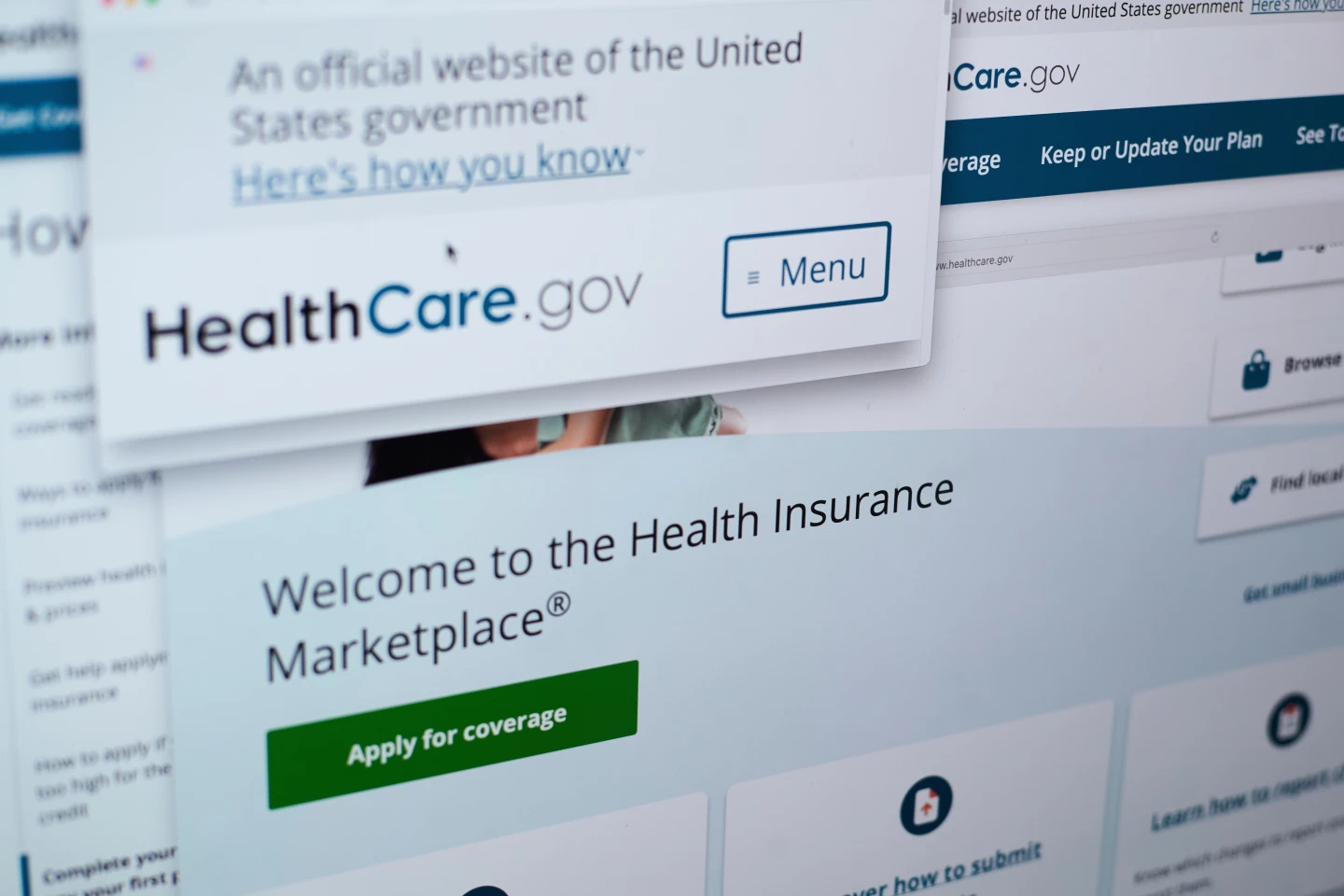
NEW YORK (AP) — As the U.S. Senate gears up for crucial votes on Thursday concerning two partisan health care bills, attention is focused on the fate of expiring COVID-era subsidies that could result in millions of Americans facing heightened insurance costs in the new year.
If neither piece of legislation passes, the issue remains unresolved with less than a month remaining before the subsidies run dry, threatening to significantly increase the premiums for some enrollees in the Affordable Care Act (ACA).
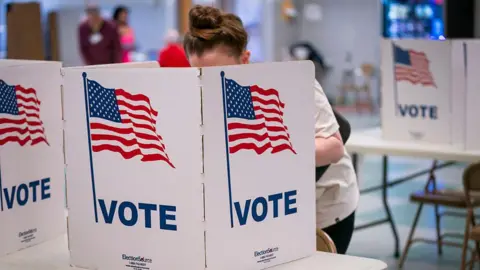
The political implications of these rising costs are becoming increasingly apparent as concerns about affordability are shaping into a significant issue for American voters ahead of the midterm elections.
Understanding the Stakes
Currently, over 24 million people are enrolled in ACA health coverage, a diverse group ranging from farmers to small business owners, many of whom rely on these subsidies for manageable health care expenses.
The additional COVID-era subsidies, which were introduced in 2021, enable individuals to receive enhanced tax credits. However, these critical financial aids are set to cease at the start of 2026, causing fears of a drastic increase in annual premium payments for those impacted.
Potential Effects of Expiration
Research suggests that without an extension, subsidized enrollees could see their average annual premium payments soar by 114%, from $888 in 2025 to $1,904 in 2026. This significant increase raises concerns about enrollment volatility and the potential drop in coverage, particularly among younger and healthier individuals.
Legislative Proposals
On the table are two contrasting approaches. The Democrats, led by Senate Majority Leader Chuck Schumer, support a plan to extend the enhanced subsidies for an additional three years, while Republicans are proposing to replace these subsidies with health savings accounts, allowing for increased individual control over health expenses.
This Republican alternative would fund health savings accounts at $1,000 annually for individuals aged 18-49 and $1,500 for those 50 and older, but critics argue this could lead to higher out-of-pocket costs for premiums without tackling the root issue of rising health care expenses.
Political Implications
As lawmakers prepare for votes, the urgency is underscored by the approaching 2026 midterms. The political ramifications of rising health costs could shape campaign narratives, with Democrats highlighting the potential impacts of subsidy expiration and Republicans seeking to shift focus to their proposed solutions.
The debate over health care continues to evolve, with expectations that it will remain a contentious topic throughout the upcoming election cycle.