WASHINGTON (AP) — As discussions intensify in the Senate, lawmakers are aiming to resolve a budget impasse impacting the Department of Homeland Security, specifically targeting the Transportation Security Administration (TSA) workers who are currently without pay. The proposed plan would allocate funding to most of the department while excluding key Immigration and Customs Enforcement (ICE) operations that have sparked bipartisan contention.
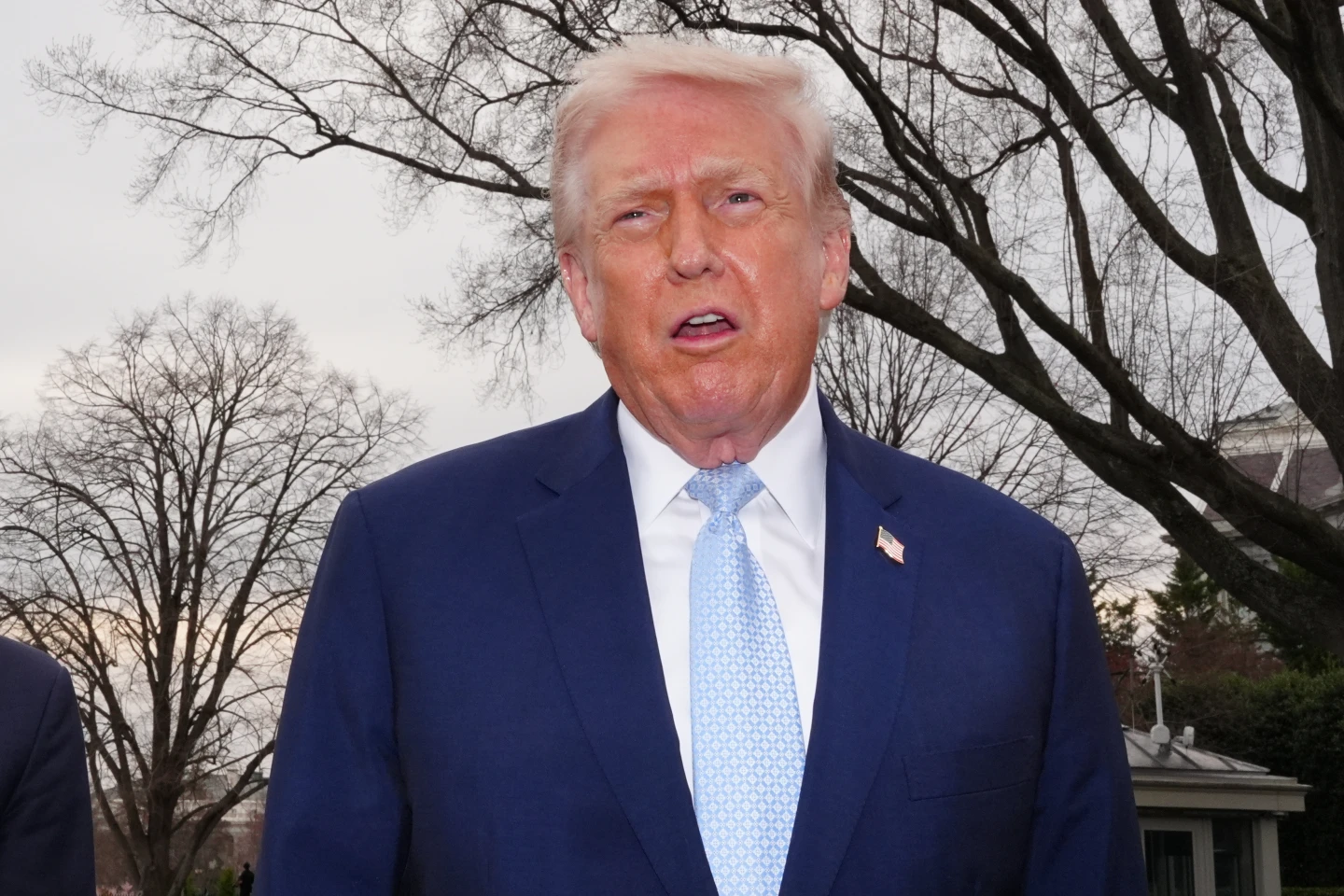
The political maneuvering took a crucial turn after a delegation of Republican senators conferred with President Donald Trump late Monday. Negotiators expressed optimism that productive dialogue would lead to a consensus, as they plan to convene again for further discussions.
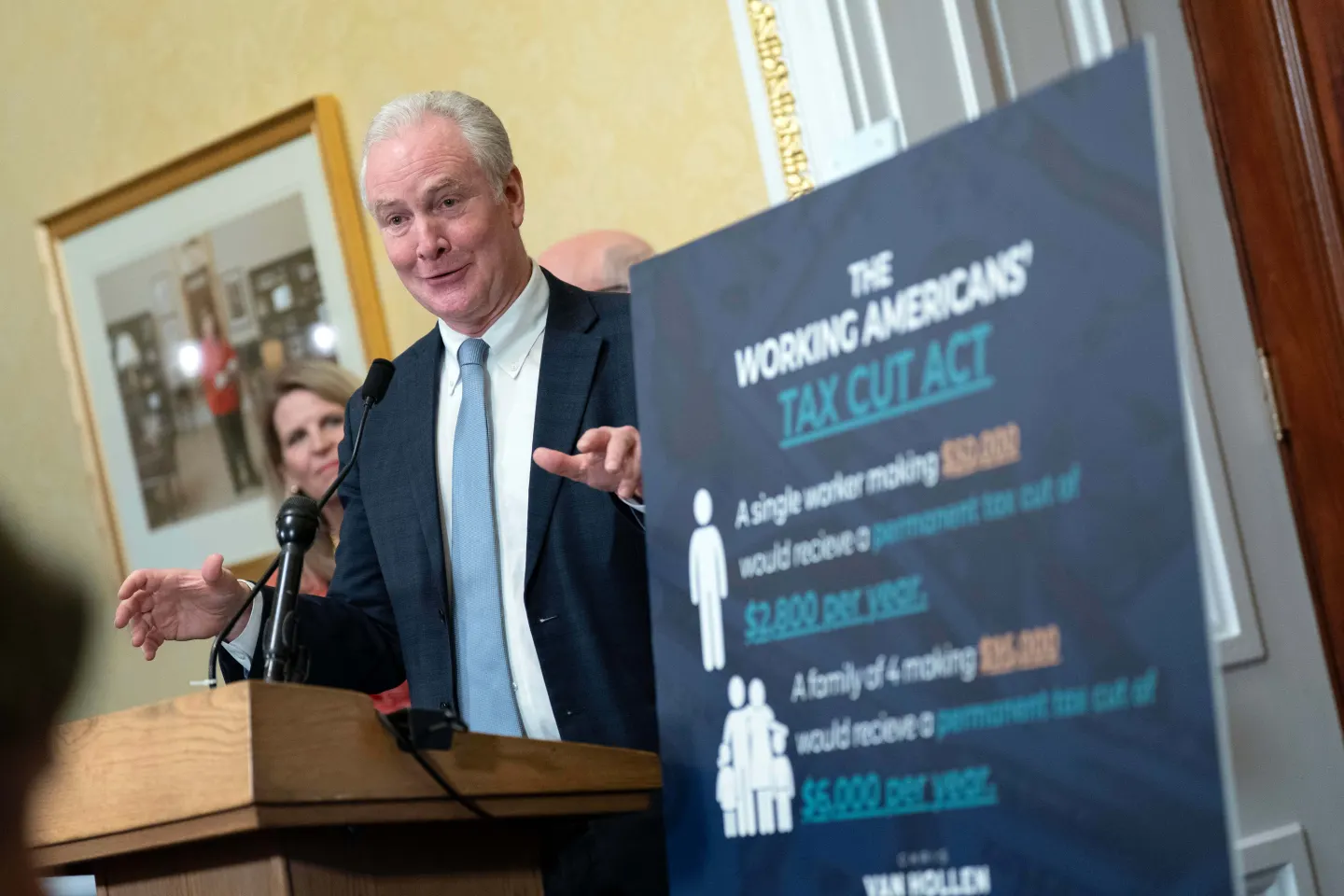
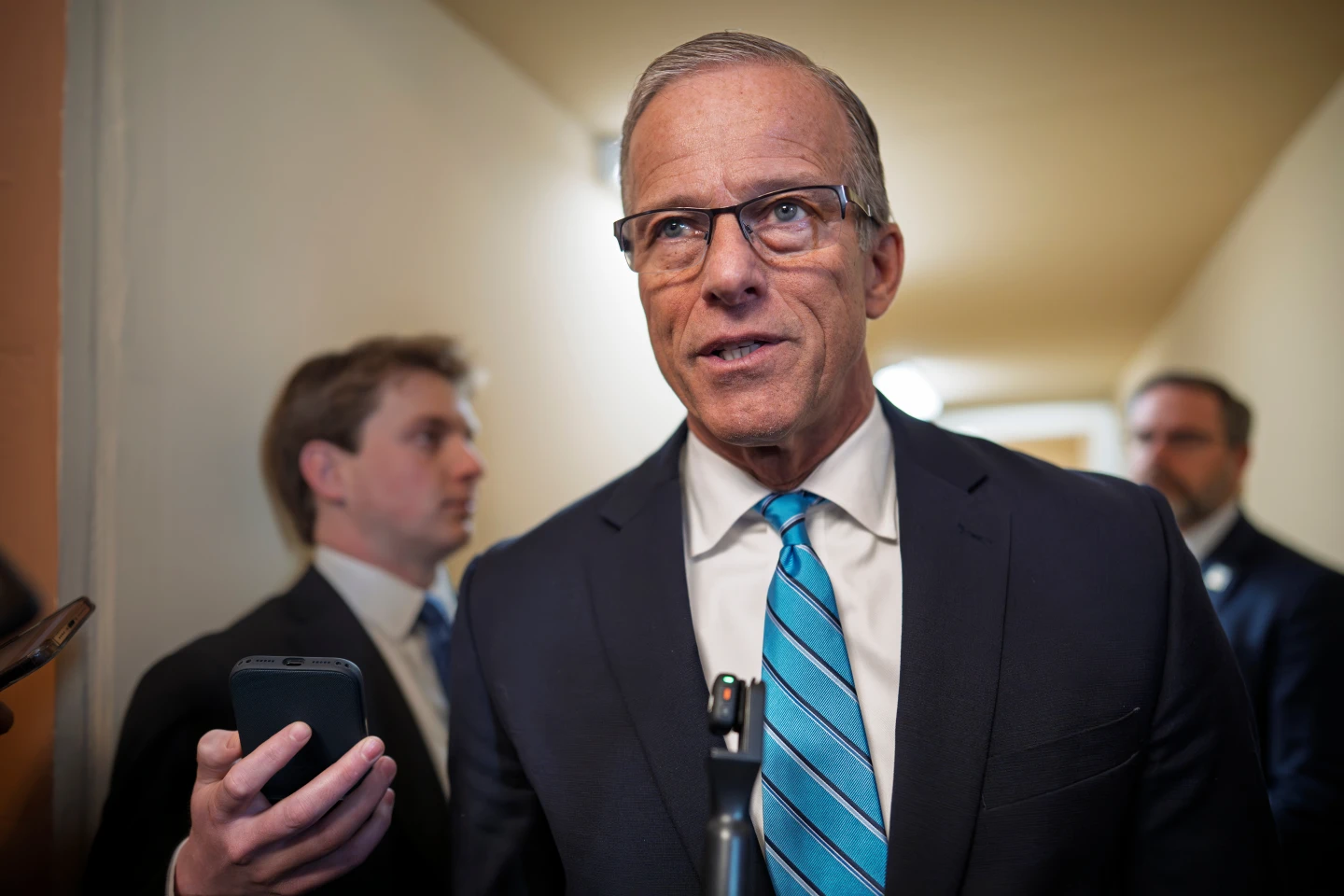
“Our talks have been constructive, and I believe we are moving in the right direction,” remarked Senate Majority Leader John Thune of South Dakota. Meanwhile, Senate Democratic Leader Chuck Schumer conveyed the seriousness of the talks, indicating a cooperative effort from both sides.
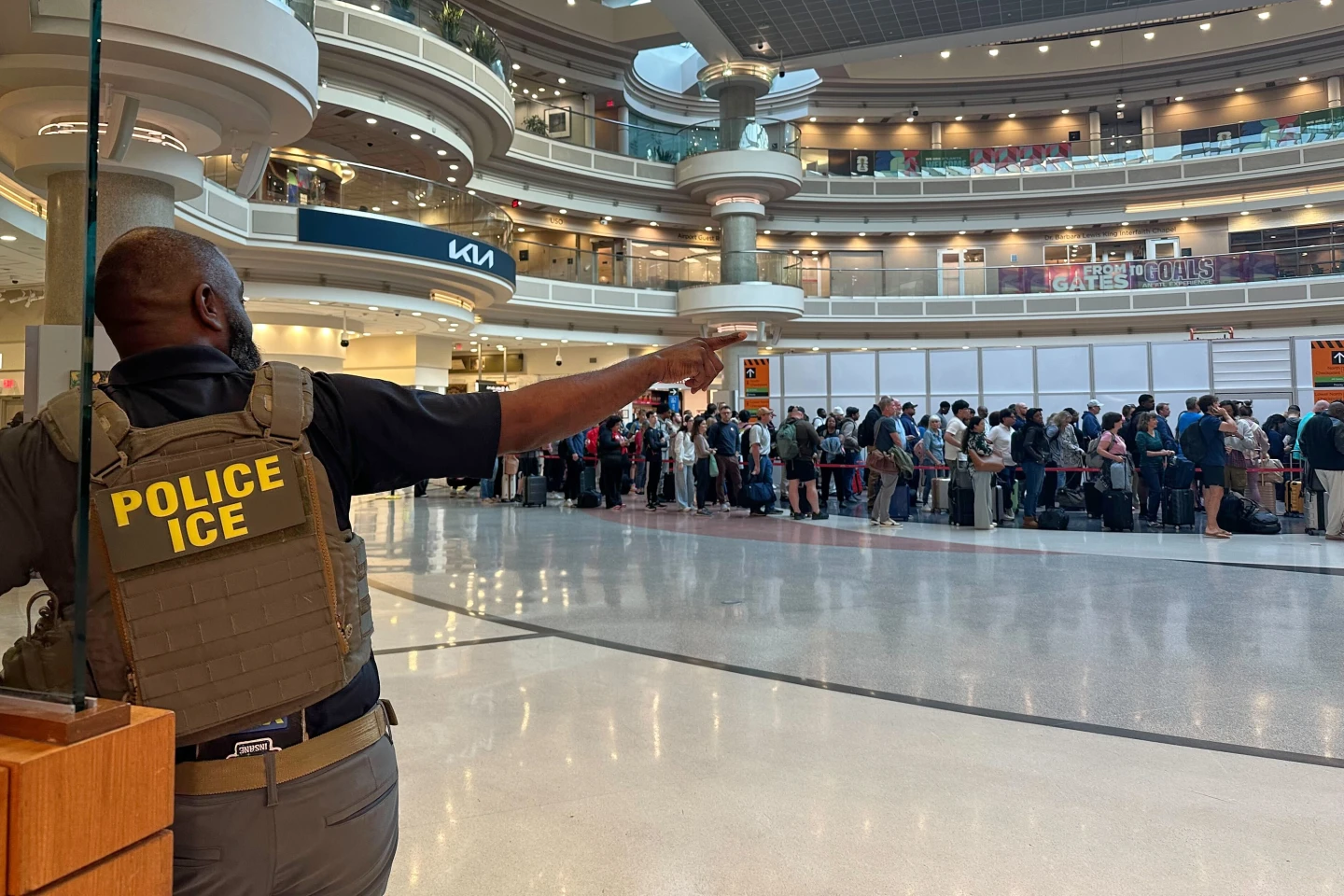
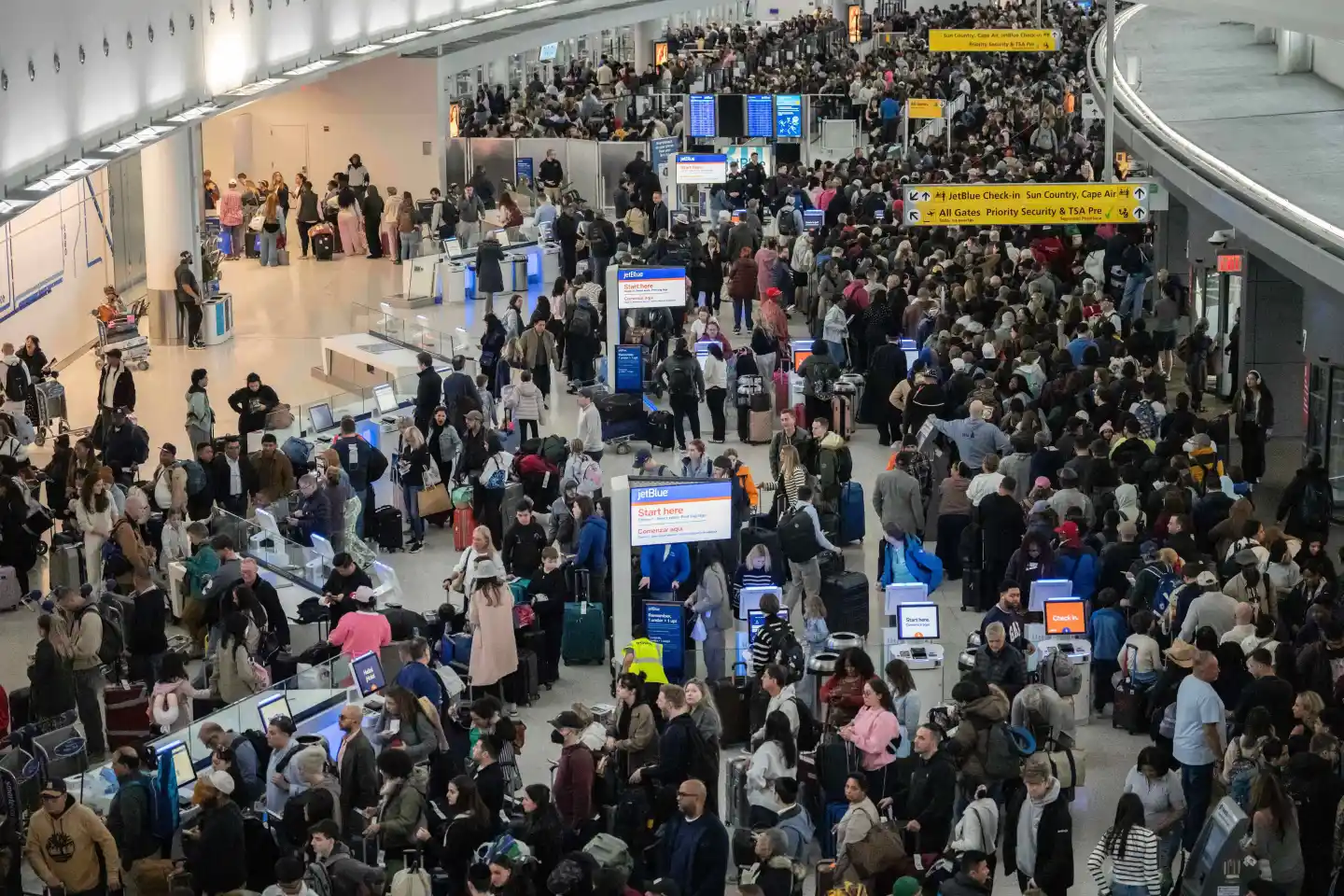
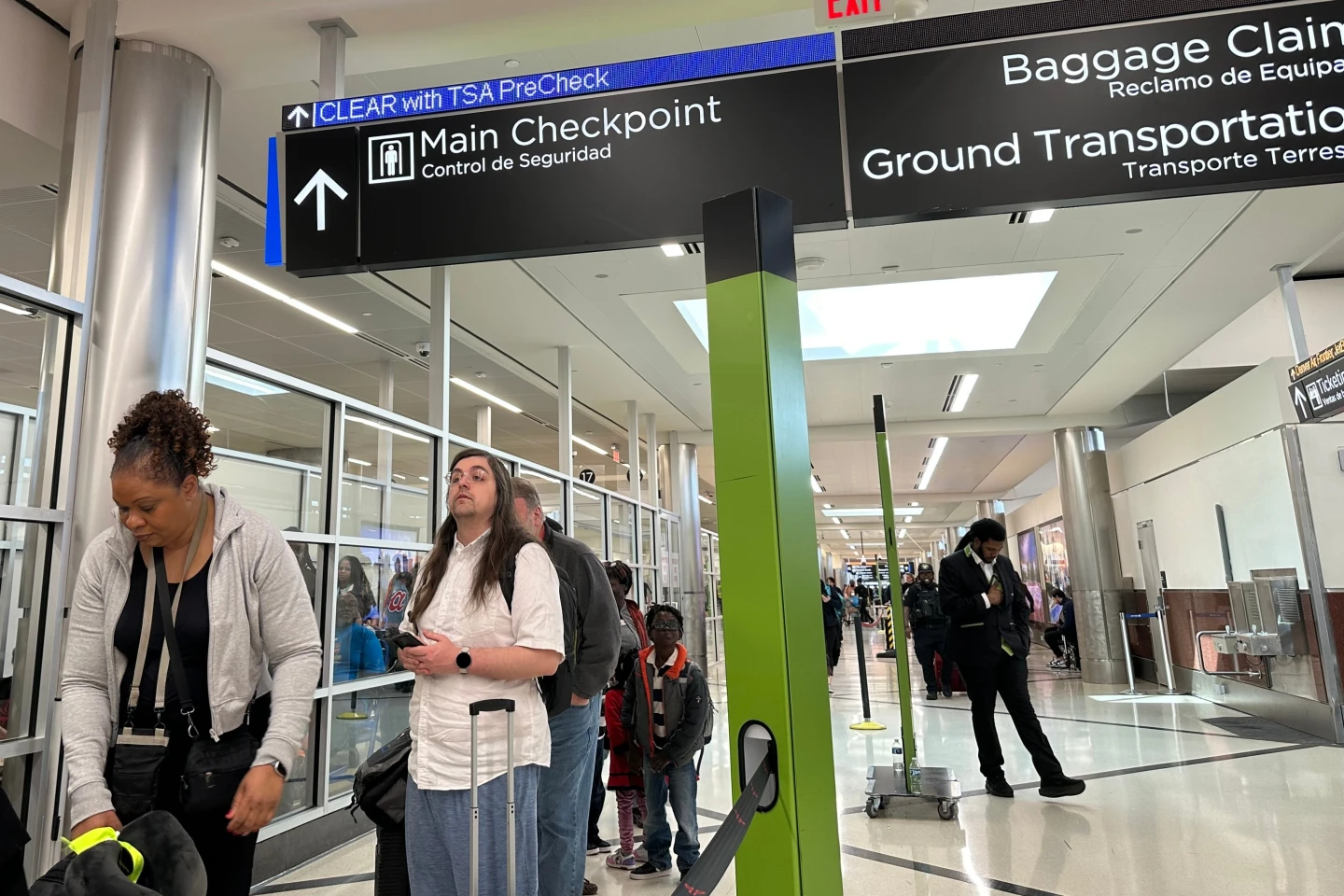
This renewed urgency arises during the busy spring travel season, where many U.S. airports are experiencing significant delays due to a shortage of TSA personnel. With Democrats resistant to funding without limitations on ICE's enforcement actions, especially following tragic events tied to ICE protests, the framework of an agreement is being meticulously crafted.
Senators are considering a proposal that would exempt specific ICE functions focused on enforcement and removals while potentially safeguarding positions within Customs and Border Protection through strict operational reforms, including the use of body cameras. Some lawmakers suggest a balanced approach that might foster agreement on bipartisan immigration reform essential for resolving the overall funding conundrum.
“I’ll be working through the night on this,” declared Senator Katie Britt of Alabama, one of the lead negotiators. This sentiment illustrates the palpable sense of urgency among legislators to secure an agreement amid discordant sentiments regarding immigration policy.
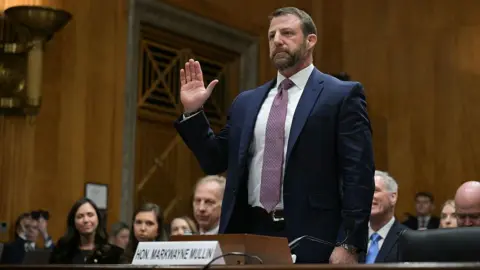
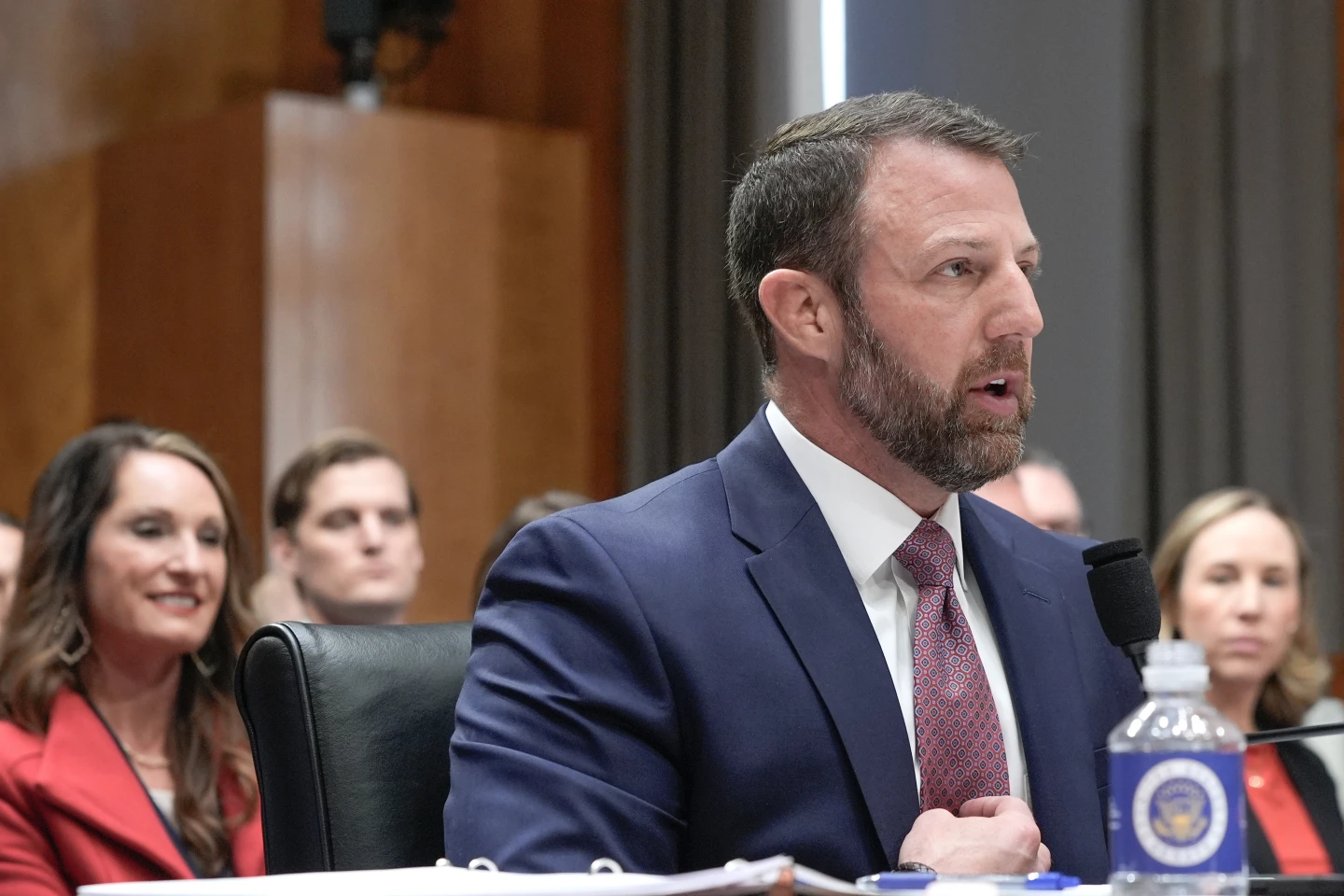
Moreover, the Senate confirmed Markwayne Mullin to lead Homeland Security, succeeding Kristi Noem, whose leadership significantly influenced the current contentious climate over immigration operations. Mullin’s confirmation signifies a possible shift that might align more with Democrats' demands regarding immigration enforcement policies. His confirmation may also catalyze the discussion towards bolstering oversight on operations and ensuring due process in ICE activities.
Overall, as Senators from both parties seek to bridge the divide on this complex and politically charged issue, key negotiations on funding and immigration reform continue to unfold with the potential for substantial impact on U.S. citizens traveling and the agency's operations moving forward.