WASHINGTON (AP) — A majority of Asian Americans, Native Hawaiians, and Pacific Islanders believe President Donald Trump's immigration policies have caused more harm than good, as revealed by a recent AAPI Data/AP-NORC poll.
The survey found that about 60% of AAPI adults feel that Trump's administration has negatively impacted immigration and border security, compared to around 40% of the general American public. Additionally, about two-thirds of AAPI adults believe that Trump's deportation efforts have exceeded a reasonable limit, contrasting with approximately half of all Americans.
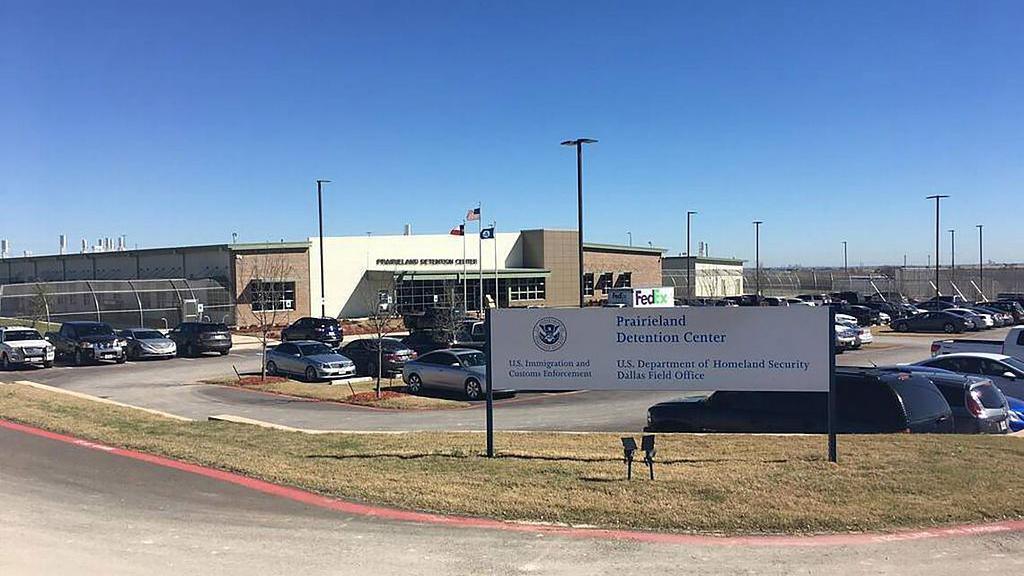
During Trump's second term, his administration has placed significant restrictions on immigration, including halting processing for immigrant visas from 75 countries just last January, amidst a backdrop of increasing arrests by Immigration and Customs Enforcement (ICE).
The concerns surrounding these policies are palpable among the AAPI community, particularly after high-profile incidents of wrongful detainment and excessive use of force by ICE agents.
Jeff Ugai, a resident of Hawaii, expressed his dismay, stating that the administration seems more focused on cruelty than achieving a sensible immigration system. Meanwhile, demographic data indicates that AAPI adults largely oppose Trump's harsh immigration tactics and call for a reconsideration of enforcement methods, with a staggering 73% expressing unfavorable views towards ICE.
The poll surveyed 1,197 AAPI respondents from February 2-9, 2026, shedding light on the often underrepresented voices within these communities concerning immigration matters. The data demonstrates a significant divide regarding perceptions of immigrants' impacts on social welfare and public safety, with many AAPI individuals advocating for reform that supports compassionate treatment of immigrants and a reevaluation of current deportation policies.
The ongoing analysis of AAPI perspectives on immigration aims to generate a clearer understanding of how these policies affect their communities, fostering discussions around necessary reforms in the U.S. immigration landscape.