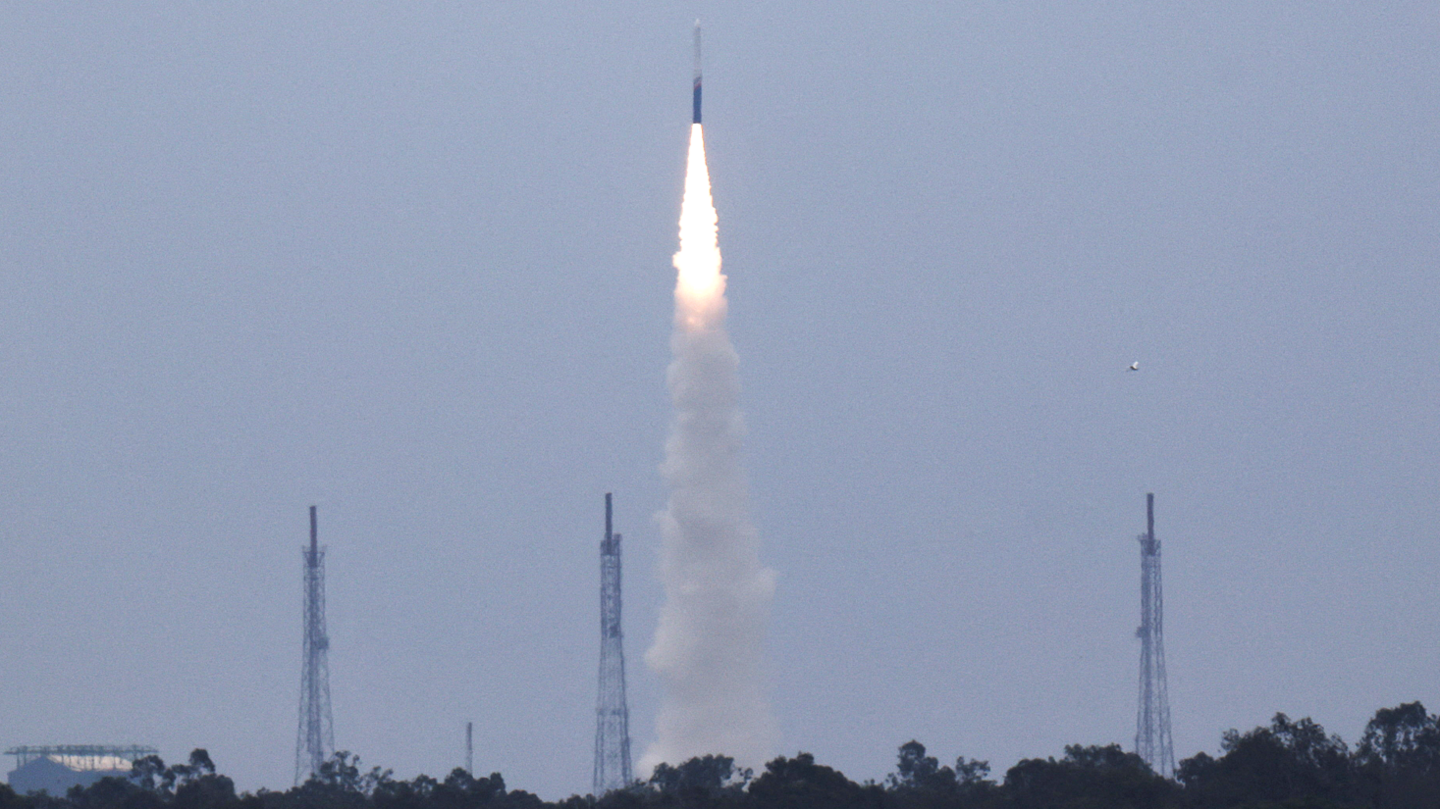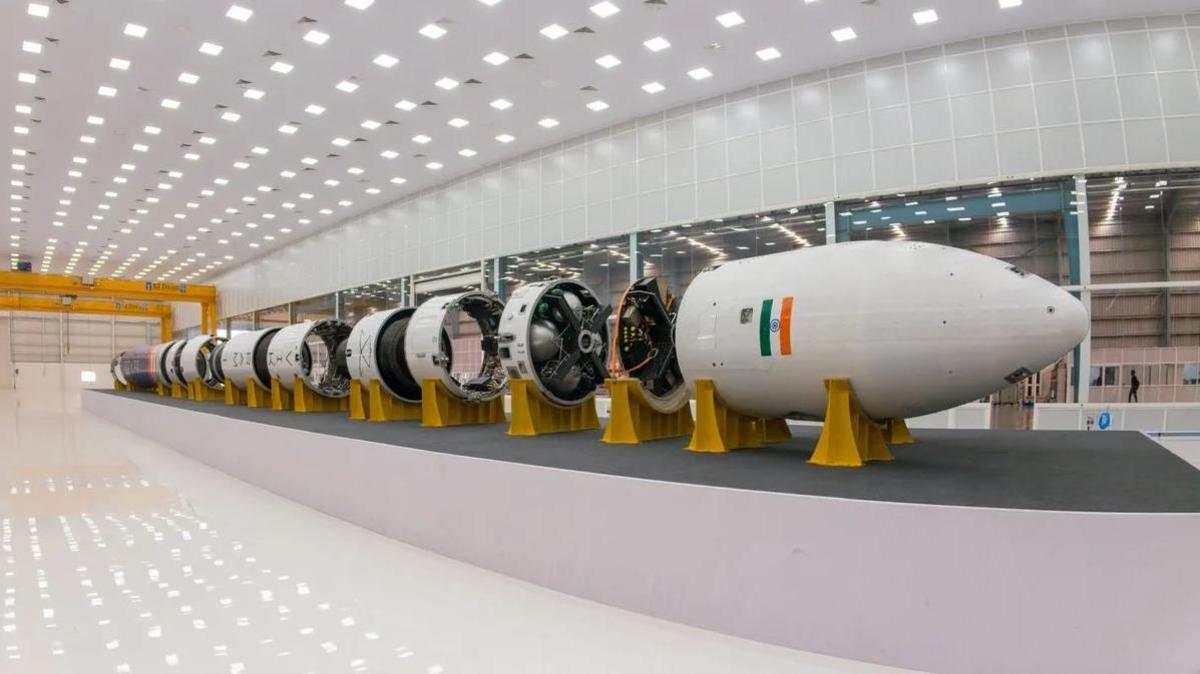
What if launching a satellite was as easy as calling a cab? That’s the spirit behind Skyroot Aerospace’s ambitious first orbital flight this Saturday.
The indigenously built Vikram‑1, named after space pioneer Vikram Sarabhai, is a seven‑storey vehicle that can carry up to 350 kilograms. The launch, scheduled for 11:30 IST from the Indian Space Research Organisation’s Sriharikota launch pad, will reach a low‑Earth orbit of 280 miles (450 km) in 16 minutes.
If the mission succeeds, Skyroot will become the first Indian private company to operate an orbital launch, placing India only the third nation—after the United States and China—to have a private sector capable of deploying rockets beyond Earth’s surface.
Skyroot is already working on a “cab‑service to space”, offering customers the ability to book a dedicated launch for a small satellite or a visit to a space station—much like arranging a ride instead of waiting for a scheduled ship.
The payload includes a variety of scientific and symbolic items. Among them is a diamond lotus, “Cosmic Bloom”, crafted by Cosmos Diamonds, as a tribute to the idea of light and space. The rocket also carries miniature bronze sculptures of Nobel laureate physicist C.V. Raman, former president and aerospace engineer A.P.J. Abdul Kalam, and Vikram Sarabhai himself – each smaller than a grain of rice.
Other functional payloads are a robotic arm designed to remove space debris, an earth‑observation camera, and a satellite from a German company. These instruments aim to support critical Earth‑monitoring services and foster international scientific collaboration.
The test flight, called Aagman, is the first of two planned launches for 2026 before Skyroot starts commercial operations next year.
Pawan Kumar Chandana, Skyroot’s co‑founder and CEO, says the company can build one rocket a month in Hyderabad. “This would be a historic flight for the private space sector in India,” he told the BBC.
Skyroot’s story began in 2018 when Chandana and former ISRO colleague Naga Bharath Daka left their government jobs to launch a start‑up that would develop rocket components for satellites. The company hit the headlines in 2022 with India’s first privately built sub‑orbital rocket and today it has earned a unicorn valuation of $1.1 billion.
In an era of heightened interest in India’s space programme—spurred by moon, mars and solar missions—this orbital launch could signal a new phase, providing a cost‑effective, on‑demand launch service that could be used by private operators and ISRO alike.
The launch is also seen as a gateway to India’s 2030 goals of expanding its global share of the space market to 10 % and delivering services that support agriculture, fisheries, disaster management, communications, navigation and national security.