Students Take France by Storm: School Protests Threaten Government
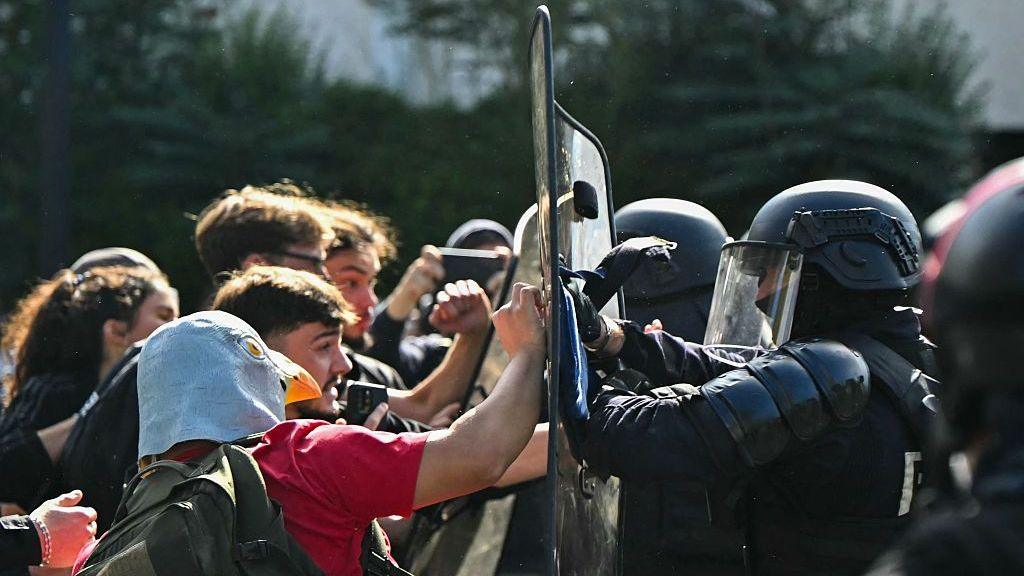
From a single neighbourhood in northern Paris, a wave of student blockades now has 400 secondary schools across France closed, hundreds of teachers injured and a backlash that has pushed the present government to its limits.
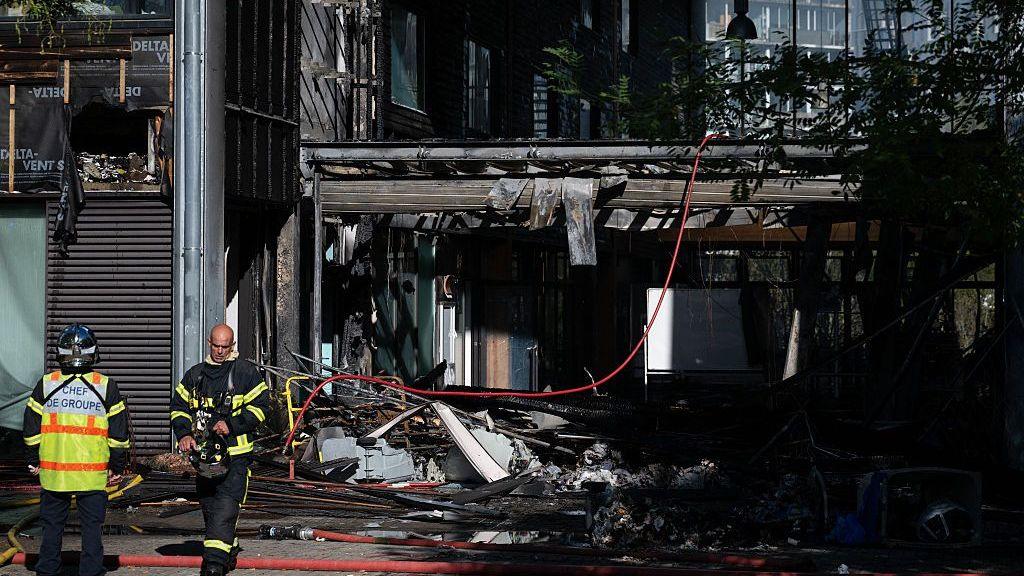
The rallies started in Seine‑Saint‑Denis over a short‑fall of funding for teachers, overcrowded class sizes, poorly maintained buildings and the sweltering heat large schools experienced this summer. When the protesters blockaded the gate in Nantes, a fire broke out in the main hall, setting a blaze that killed the building’s emergency system and sent a message that the protests are no longer purely symbolic.
According to the Ministry of Education, 65 teaching staff members and 40 school heads suffered injuries, while an internal report cites 300 police officers and firefighters who have also been hurt. Meanwhile, roughly 2,000 minors, most of them students, have been taken into custody – a figure that may under‑count unreported incidents.
The emotional tone of the demonstrations has been described by some as a shift from angry confrontation to a kind of restless enthusiasm. That shift, according to political commentators, has amplified media coverage and added pressure on President Emmanuel Macron’s coalition as the 2026 presidential campaign builds momentum.
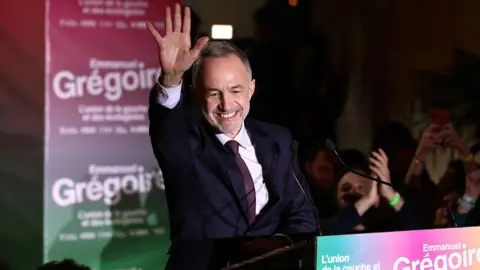
The currents of the unrest are being framed by the far‑left France Unbowed party (LFI), whose presidential hopeful Jean‑Luc Mélenchon has been seen alongside student demonstrators at several rallies. Critics claim that the movement’s leaders are using the protests to mobilise youth and secure a “new France.” Mélenchon, however, has repeatedly urged students to avoid violence and has labelled the clashes as “serving the enemies’ interests.”
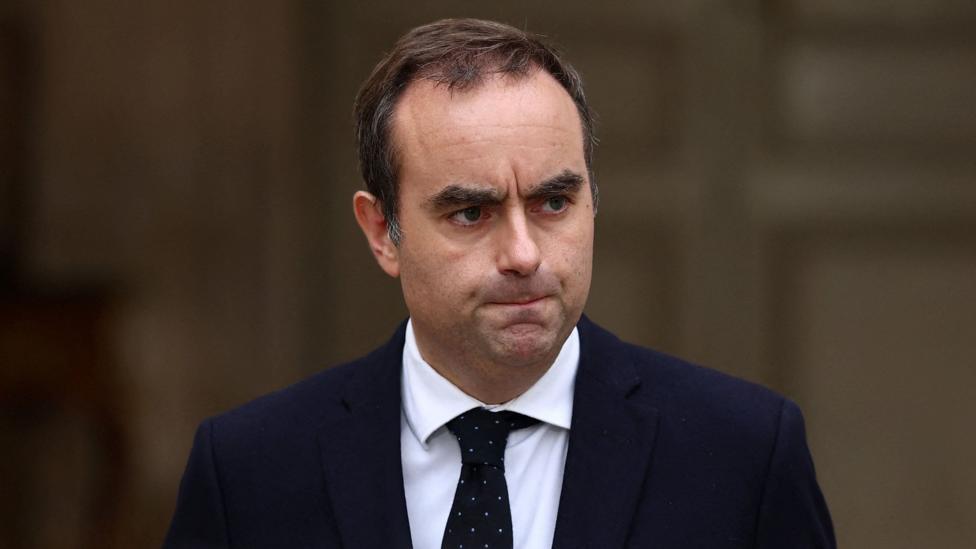
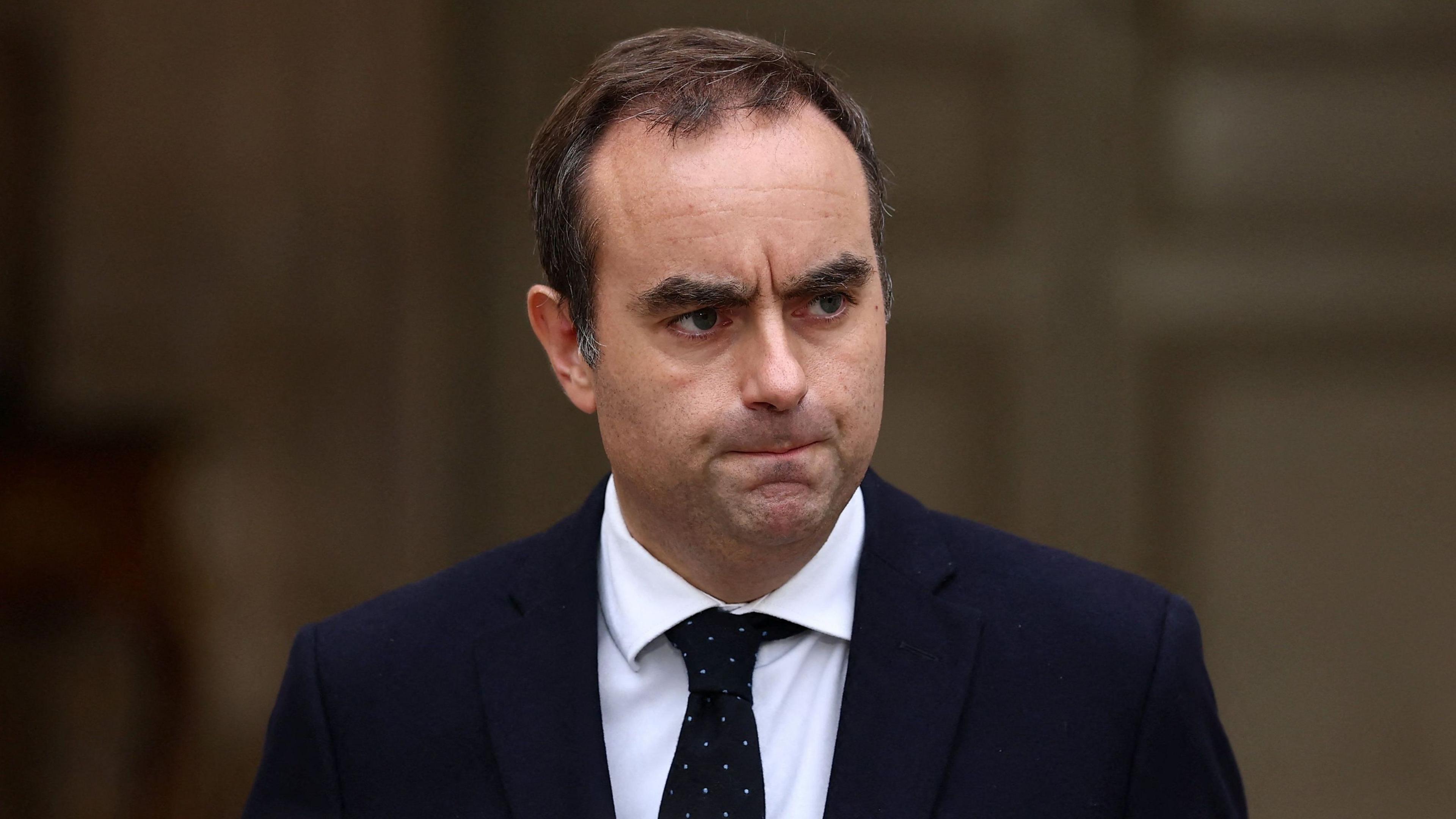
In response, Prime Minister Sébastien Lecornu released a budget proposal that promises record cuts – €54 billion in public spending – and has threatened to slash educational budgets if demands are not met. Whether that fiscal tightening will quell the unrest remains uncertain.
The protests are already predicted to reshape the national political conversation. The apparent manipulation of student anger, combined with the volatility in student turnout – a demographic group that historically abstains from voting – could be the harbinger of a deeply polarized political climate in the months leading up to the elections.
The government’s responses will depend largely on whether it can negotiate a credible investment in education, manage the present violence, and address the underlying grievances that drive youth participation in public dissent.