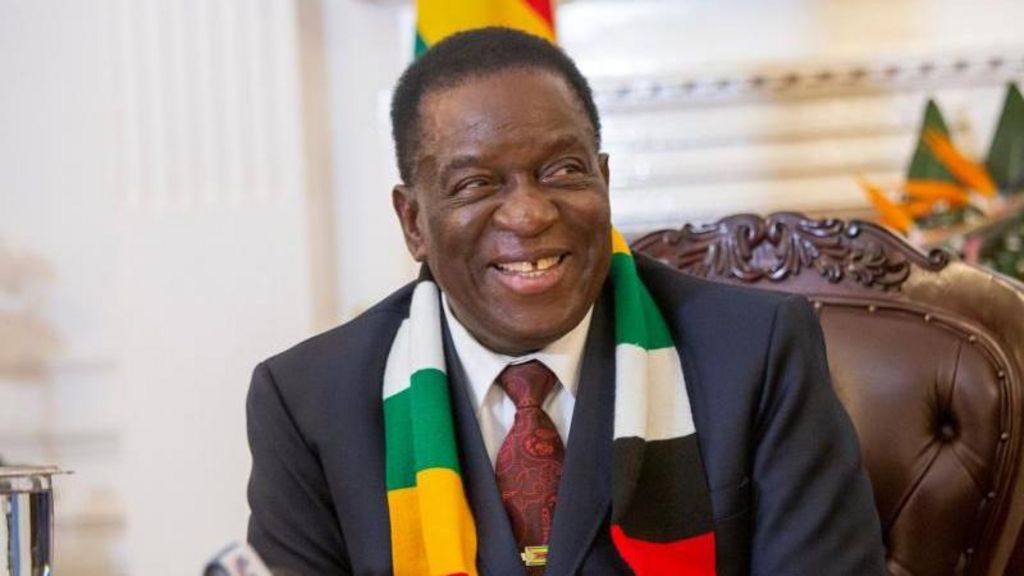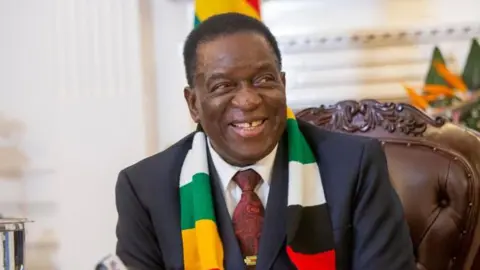
Zimbabwe’s lower house of parliament has passed a bill that would extend the presidential term from five to seven years, effectively allowing President Emmerson Mnangagwa to remain in power until 2030.
Over 200 lawmakers voted in favor, surpassing the two‑thirds threshold required for a constitutional amendment. The bill also scrapes direct presidential elections, meaning future leaders would be chosen by Parliament.
Key components of the amendment include:
- Presidential and parliamentary terms extended from five to seven years.
- Parliament elects the next president instead of national elections.
- Parliamentary elections scheduled for 2028 postponed to 2030.
- Mnangagwa, whose second term ends in 2028, would remain in office until 2030.
The bill has faced criticism from opposition parties, civil society groups and lawyers, who argue that such changes should be subject to a national referendum. A Constitutional Court decision on Wednesday dismissed a challenge to the bill, clearing the way for it to proceed to the senate and then to the president for enactment.
The changes come amid concerns over democratic backsliding, disputed elections and economic challenges that have plagued Mnangagwa’s presidency since he came to power in 2017 following a military‑backed ouster of Robert Mugabe.
For more coverage, see BBC’s related stories and follow updates on social media.