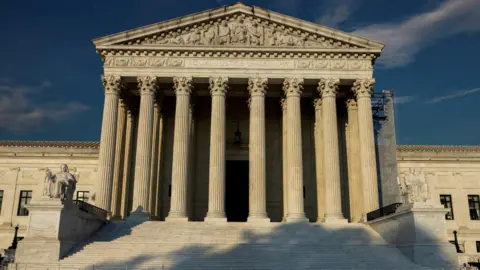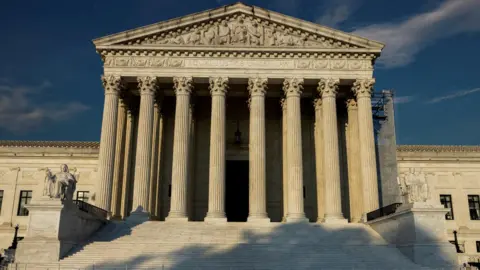
On Thursday, the United States Supreme Court denied Alabama’s request to carry out the execution of death row inmate Jeffery Lee with nitrogen gas. The ruling came after two lower courts had blocked the use of the method, finding it likely violated the Constitution’s prohibition on cruel and unusual punishment.
The brief, which appeared on the Court’s emergency docket without an explanation, left three justices – Clarence Thomas, Samuel Alito and Neil Gorsuch – in dissent. They argued that the state’s request should have been granted, citing the state’s statutory framework and the desire to carry out the sentence.
In recent weeks, a federal judge permanently barred the use of nitrogen hypoxia—a technique in which inmates breathe pure nitrogen until suffocation—as it was shown to cause severe air hunger and emotional distress before death. Alabama had already executed seven people with the gas since adopting the method in January 2024, making it one of the few states to use this controversial means.
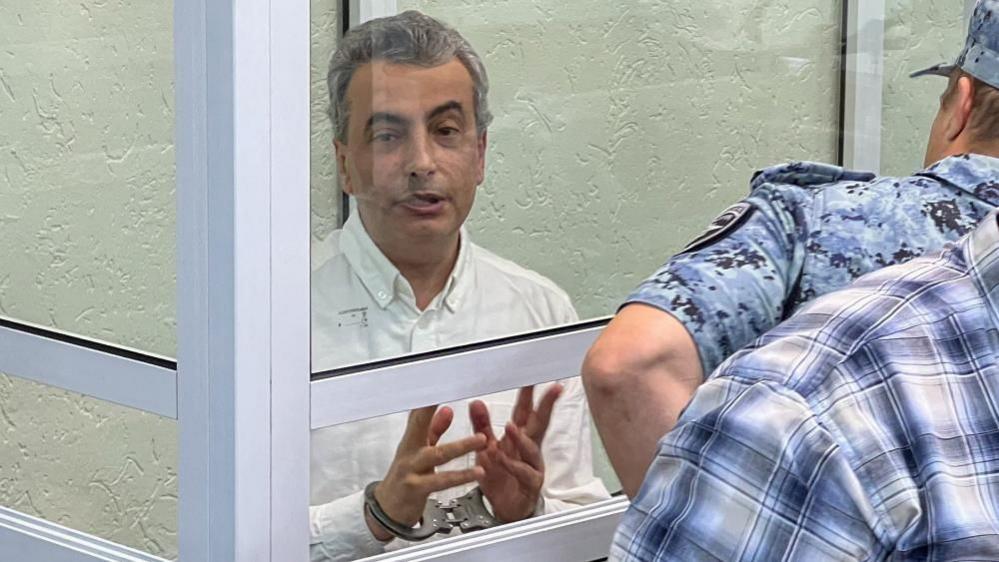
Lee, 49, was convicted of murdering two individuals in a 1998 pawn‑shop robbery and has been on Alabama’s death row for more than two decades. A jury had recommended life in prison, but a judge overruled that recommendation under a deleted judicial‑override procedure and imposed the death penalty.
Alabama’s Attorney General Steve Marshall stated that the halt was unfair to the families of Lee’s victims, who had expected to witness the final act of justice. He said the state would “do whatever is necessary” to enforce Lee’s lawful sentence.
While the Supreme Court’s decision means the state can no longer use nitrogen gas against Lee, Alabama remains free to pursue other execution methods in the future.