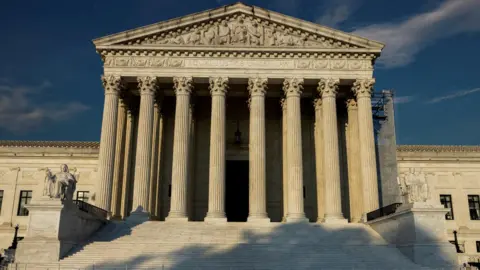
Republican lawmakers are intensifying efforts to redraw congressional districts ahead of the midterm elections following a recent U.S. Supreme Court decision that weakened federal protections for minority voters under the Voting Rights Act. Tennessee and Alabama have already enacted new maps, while Louisiana and South Carolina have cleared at least one legislative chamber but face ongoing legal and procedural hurdles before the November ballots. The rush comes as President Donald Trump has publicly urged Republican-led states to accelerate redistricting now to secure the party’s narrow House majority, particularly as his approval ratings remain negative and the president’s party typically loses congressional seats in midterms.
The push for immediate redistricting follows the Supreme Court’s ruling that struck down key provisions of the Voting Rights Act, which had required preclearance of district maps that could dilute minority voting power. Republican strategists see an opportunity to gain political advantage by implementing new maps before the next census, which typically triggers redistricting every decade. Since Trump first advocated for Texas to redraw its voting districts last year, Republicans believe they could capture as many as 15 additional seats from new House districts in seven states, while Democrats counter with hopes of picking up six seats in two states.
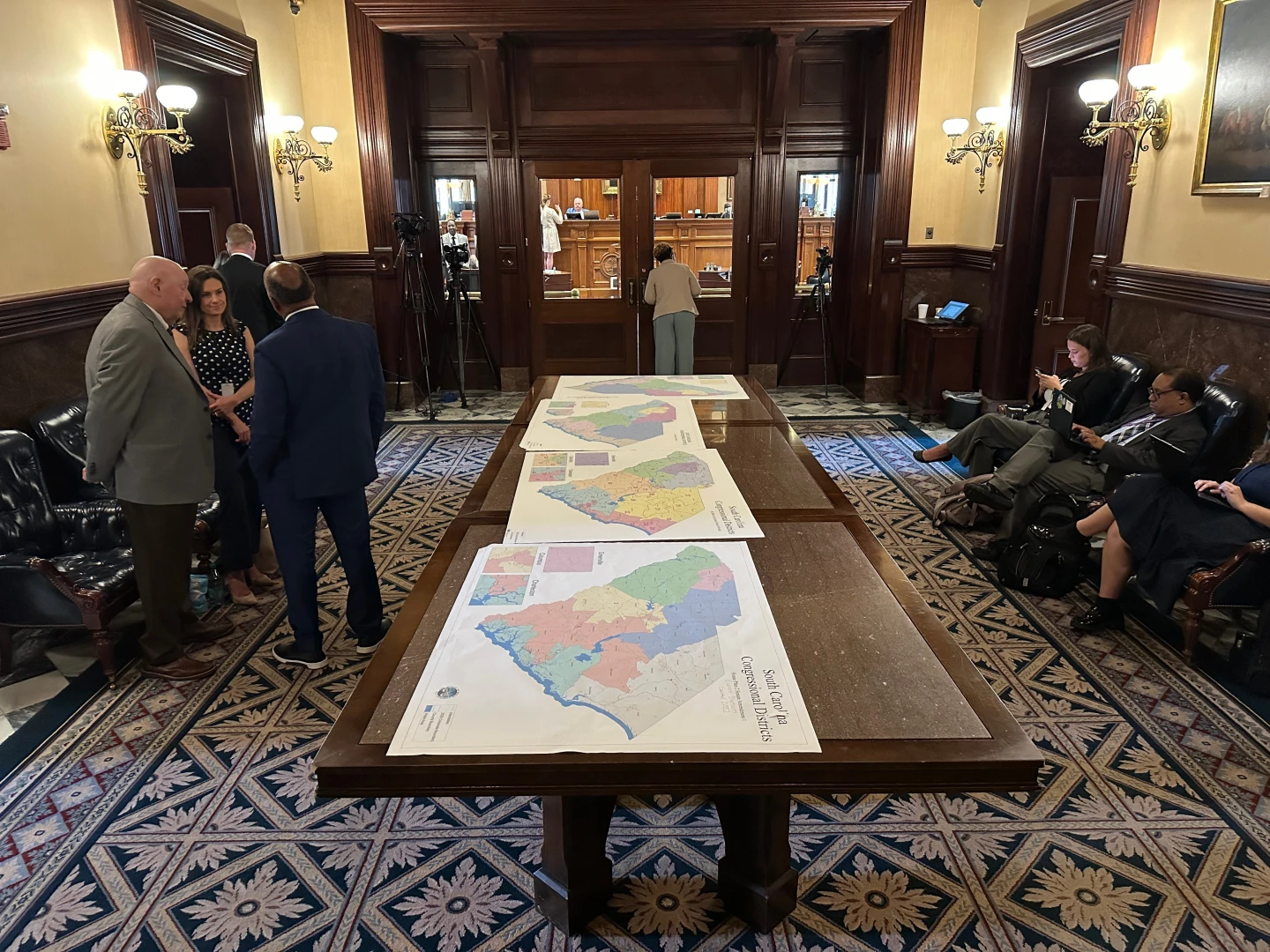
In South Carolina, Republican Gov. Henry McMaster convened a special legislative session to address congressional redistricting. The House recently passed a map designed to secure the state’s sole Democratic-held seat, but the Senate’s approval remains uncertain amid internal GOP divisions. Some senators worry the plan could backfire by scattering Democratic voters across Republican districts, making them vulnerable to loss. The legislation also triggers a new congressional primary in August, shifting the state’s regular June primary.
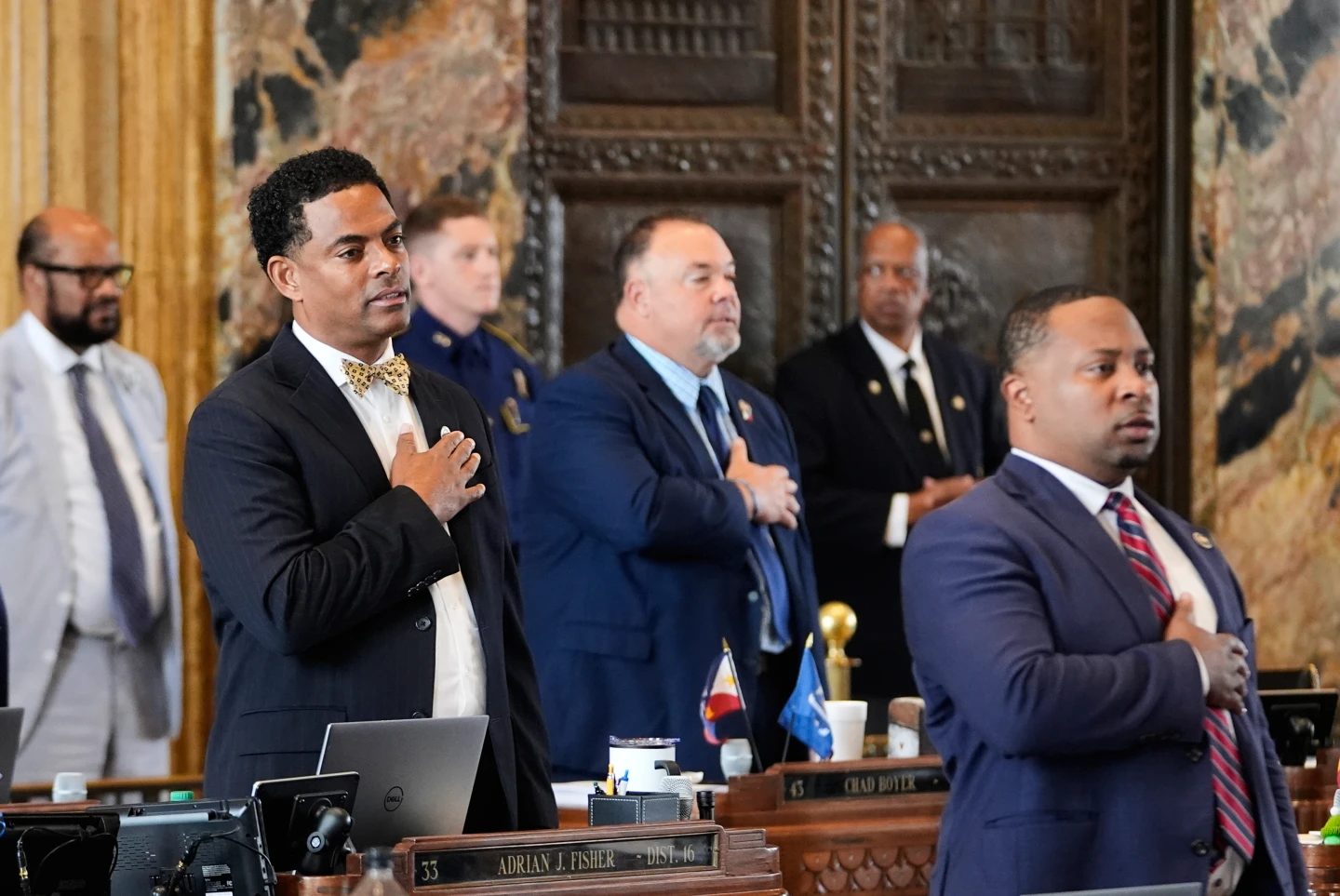
Louisiana lawmakers face competing visions for redistricting after the Supreme Court struck down their map for containing two majority-Black districts. The Republican-dominated House has revised a Senate-passed map that would reshape one district while strengthening GOP chances, but disagreements persist over which parishes to split. Republican Gov. Jeff Landry postponed the May 16 primary until later this summer to allow time for resolution, with a joint committee attempting to negotiate a compromise before the June 1 session end.
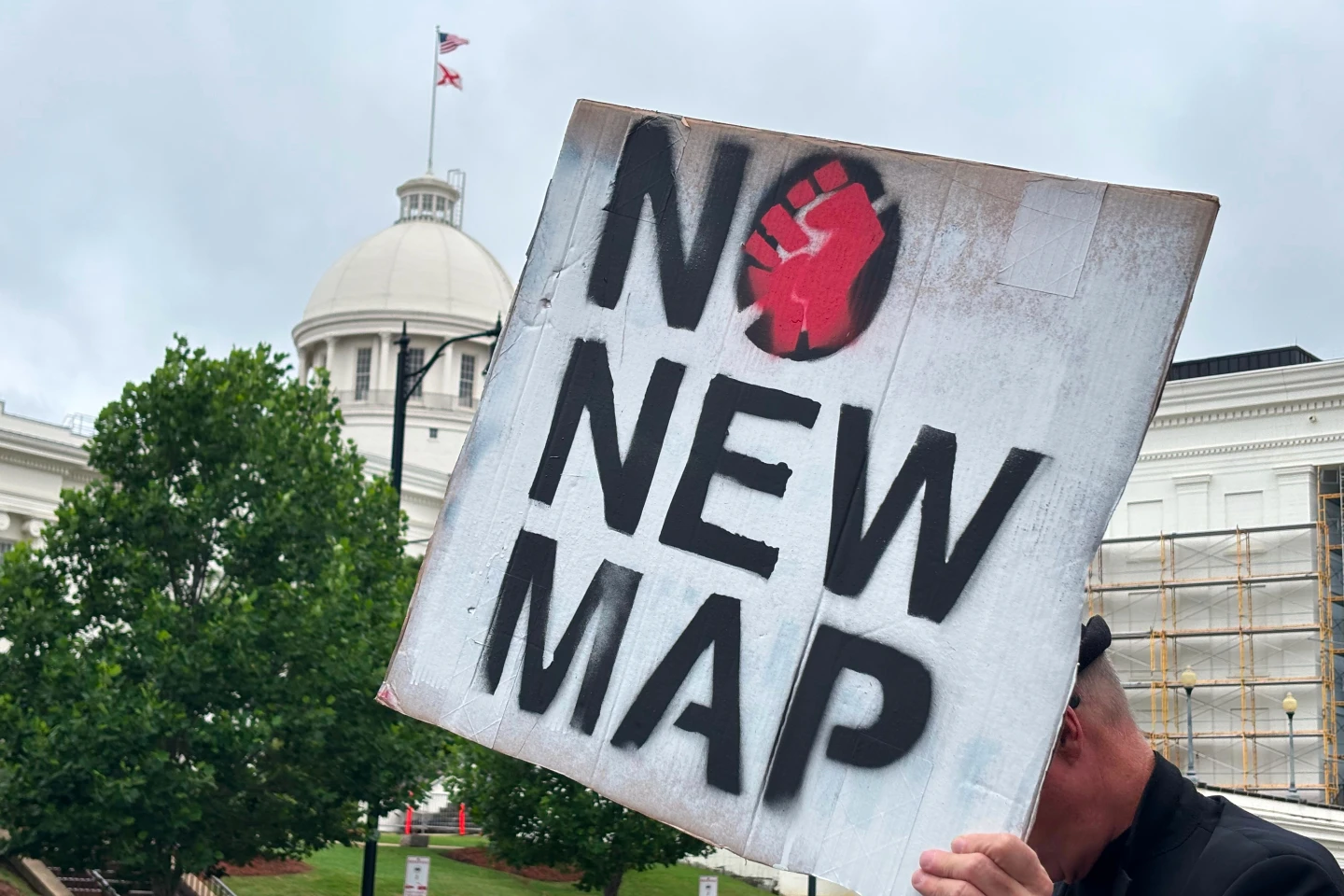
Alabama’s redistricting battle has entered the courts. A federal panel heard arguments on whether to block the state’s 2023 congressional map, which features one majority-Black district. Though the Supreme Court recently overturned a lower court’s order blocking the map, advocates for Black voters argue the plan still violates anti-discrimination laws. The lawsuit contends the map was intentionally designed to disadvantage Black voters, with new primaries scheduled for August for districts affected by the revised map.
In Tennessee, a state court examined a lawsuit challenging the legislature’s new congressional map that splits a majority-Black Memphis district. The complaint claims lawmakers exceeded their authority by including provisions not authorized under a governor’s special session proclamation, including repealing a law prohibiting mid-decade redistricting. If the court rules the map is invalid, it could force a rollback of the plan that aims to give Republicans all nine state seats.
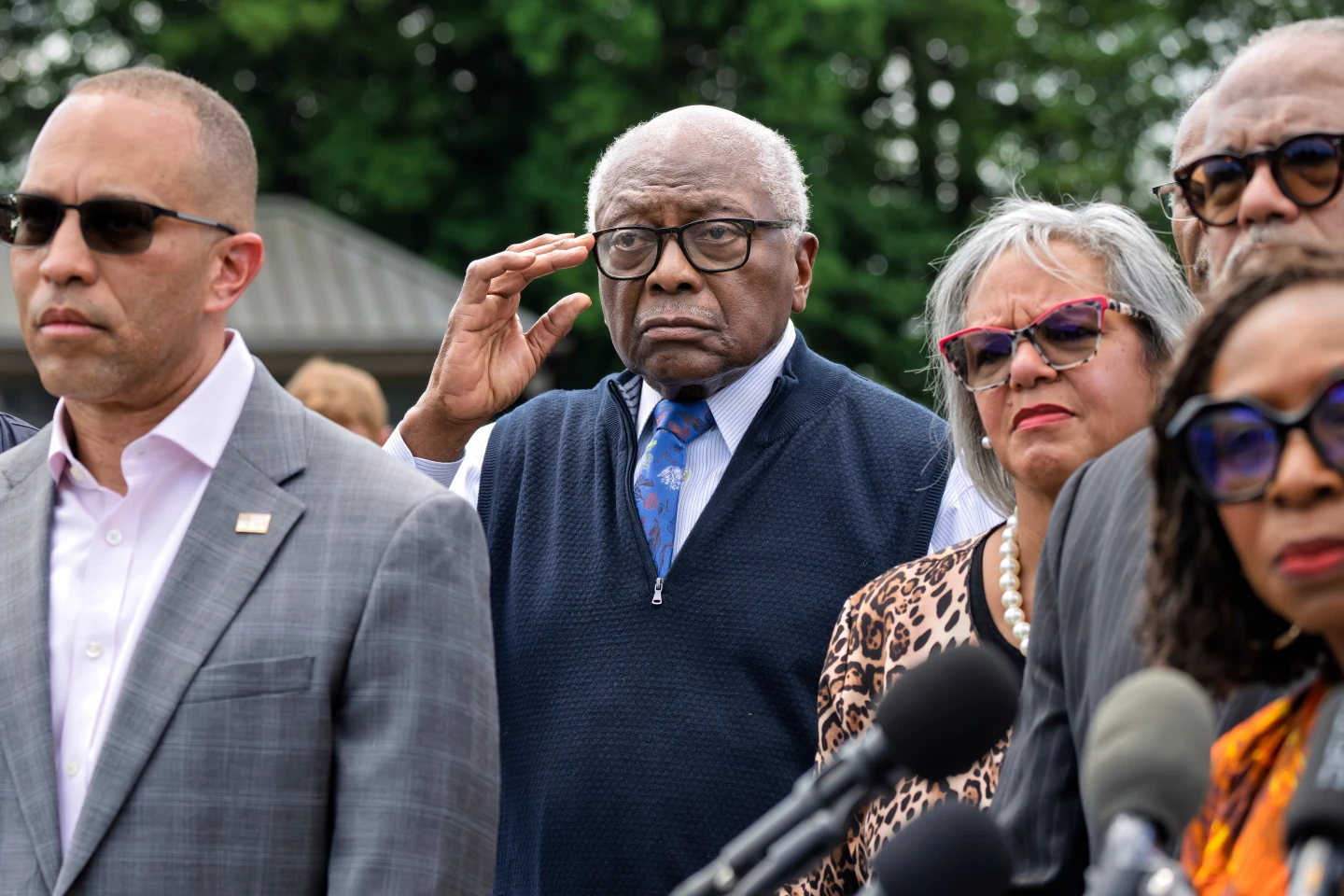
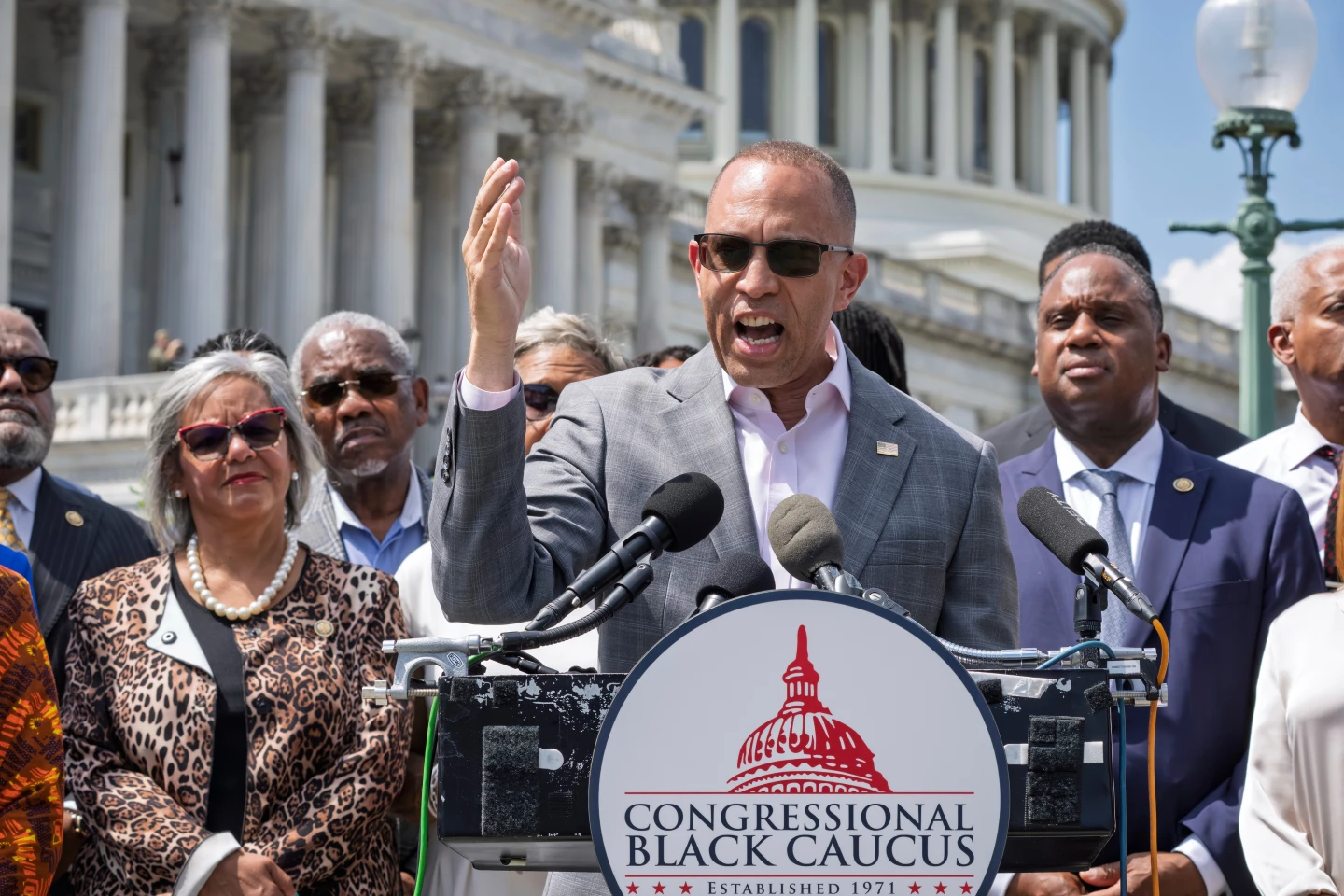
These rapid redistricting efforts highlight growing tensions between electoral strategy and voting rights protections. While Republicans frame the moves as necessary to maintain political control, critics warn of intentional gerrymandering that undermines democratic representation. As legal challenges mount across multiple states, the outcome could reshape the balance of power in Congress—and test the limits of federal voting protections in the coming election cycle.}
The push for immediate redistricting follows the Supreme Court’s ruling that struck down key provisions of the Voting Rights Act, which had required preclearance of district maps that could dilute minority voting power. Republican strategists see an opportunity to gain political advantage by implementing new maps before the next census, which typically triggers redistricting every decade. Since Trump first advocated for Texas to redraw its voting districts last year, Republicans believe they could capture as many as 15 additional seats from new House districts in seven states, while Democrats counter with hopes of picking up six seats in two states.
In South Carolina, Republican Gov. Henry McMaster convened a special legislative session to address congressional redistricting. The House recently passed a map designed to secure the state’s sole Democratic-held seat, but the Senate’s approval remains uncertain amid internal GOP divisions. Some senators worry the plan could backfire by scattering Democratic voters across Republican districts, making them vulnerable to loss. The legislation also triggers a new congressional primary in August, shifting the state’s regular June primary.
Louisiana lawmakers face competing visions for redistricting after the Supreme Court struck down their map for containing two majority-Black districts. The Republican-dominated House has revised a Senate-passed map that would reshape one district while strengthening GOP chances, but disagreements persist over which parishes to split. Republican Gov. Jeff Landry postponed the May 16 primary until later this summer to allow time for resolution, with a joint committee attempting to negotiate a compromise before the June 1 session end.
Alabama’s redistricting battle has entered the courts. A federal panel heard arguments on whether to block the state’s 2023 congressional map, which features one majority-Black district. Though the Supreme Court recently overturned a lower court’s order blocking the map, advocates for Black voters argue the plan still violates anti-discrimination laws. The lawsuit contends the map was intentionally designed to disadvantage Black voters, with new primaries scheduled for August for districts affected by the revised map.
In Tennessee, a state court examined a lawsuit challenging the legislature’s new congressional map that splits a majority-Black Memphis district. The complaint claims lawmakers exceeded their authority by including provisions not authorized under a governor’s special session proclamation, including repealing a law prohibiting mid-decade redistricting. If the court rules the map is invalid, it could force a rollback of the plan that aims to give Republicans all nine state seats.
These rapid redistricting efforts highlight growing tensions between electoral strategy and voting rights protections. While Republicans frame the moves as necessary to maintain political control, critics warn of intentional gerrymandering that undermines democratic representation. As legal challenges mount across multiple states, the outcome could reshape the balance of power in Congress—and test the limits of federal voting protections in the coming election cycle.}