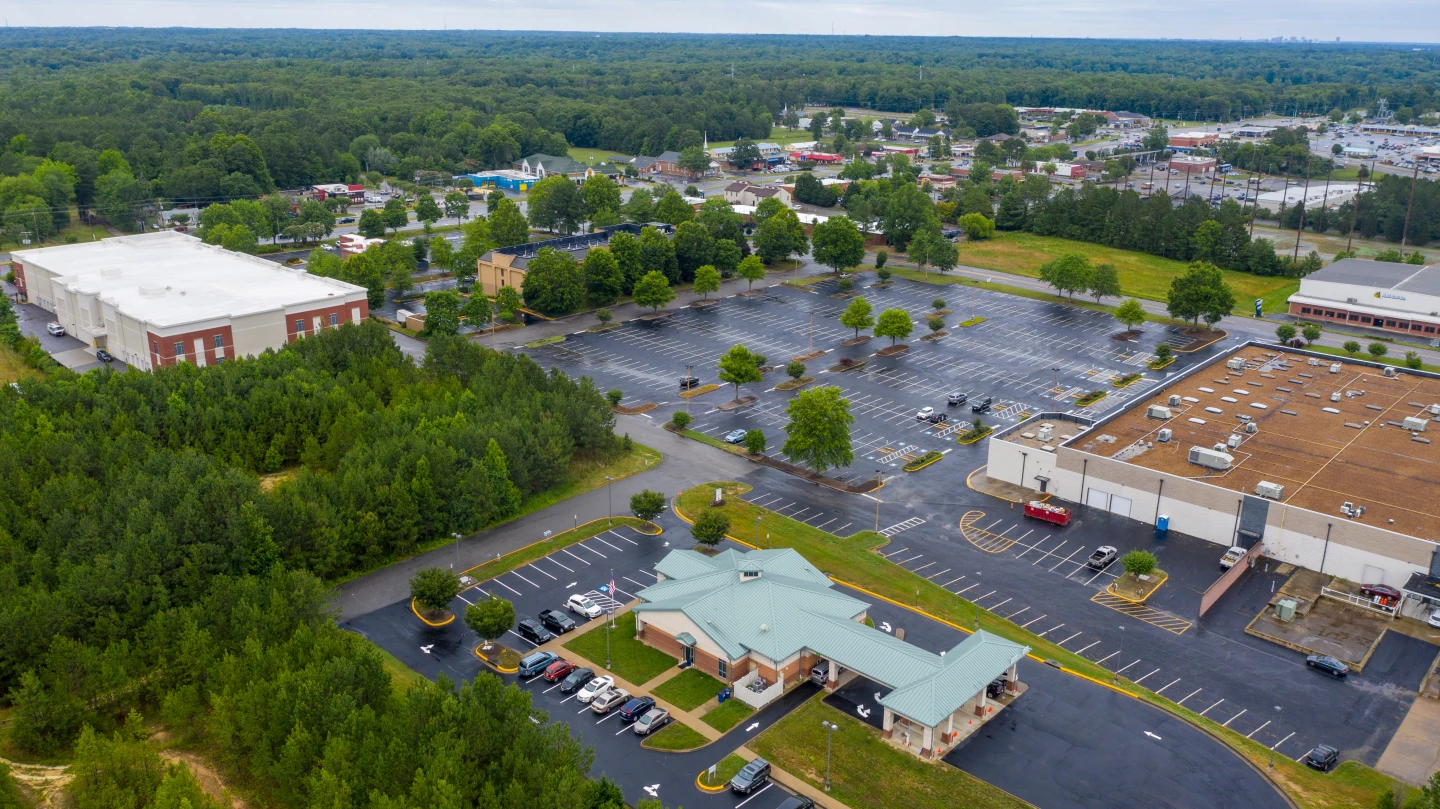
WASHINGTON (AP) — A recent case brought before the Supreme Court highlights concerns regarding geofence warrants, a controversial tool enabling police to collect location data from cellphone users near crime scenes. This method helped identify bank robber Okello Chatrie, who managed to evade capture after robbing a bank in suburban Richmond, Virginia, of $195,000.
Police utilized a geofence warrant on Google, revealing that Chatrie's phone was among those present during the crime. This approach represents a shift from traditional policing methods, where suspects are typically identified first before warrants are sought.
As the Supreme Court prepares to consider the case, questions about the potential violation of the Fourth Amendment are at the forefront. This constitutional provision protects against unreasonable searches and has long been challenged by evolving technologies that did not exist when it was ratified in 1791.
The case against Chatrie is one of two cases featuring on the Court's docket, the other addressing claims against Bayer concerning its Roundup weedkiller's alleged cancer risks.
Critics argue that geofence warrants could lead to unreasonable surveillance and searches of innocent individuals, as many people could be wrongly implicated simply for being near a crime. They assert that such warrants could "unleash a much broader wave of similar reverse searches," compounding privacy concerns among practitioners and scholars alike.
Chatrie's legal team contends that evidence obtained through the geofence warrant violated his privacy rights, emphasizing the lack of probable cause given the absence of initial suspect identification. Nevertheless, lower courts have allowed the evidence to stand, attributing it to the officer's reasonable belief in the validity of his actions.
This critical Supreme Court decision could reshape not only privacy rights in the digital age but also the extent to which law enforcement can navigate increasingly complex relationships between technology and the law.