Taiwan's Opposition Leader Visits China: A New Chapter in Cross-Strait Relations
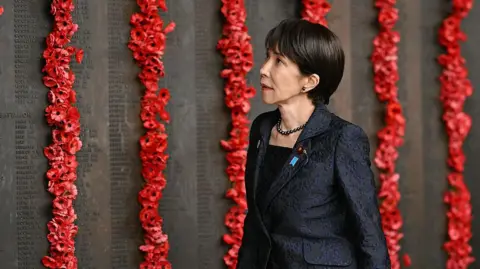
Cheng Li-wun, the leader of Taiwan's main opposition party, arrived in China today, marking a significant moment as she becomes the party's first incumbent chief to visit the country in a decade.
Cheng, who took over as chairperson of the Kuomintang (KMT) last year, expressed her intention to act as a bridge for peace after willingly accepting an invitation from President Xi Jinping. She plans to engage in dialogue with Chinese leaders, aiming to foster improved relations between the two sides.
This visit is significant as Beijing had severed some communications with Taiwan following the election of the Democratic Progressive Party's Tsai Ing-wen in May 2016, due to Tsai's refusal to endorse a 'one China' principle. Cheng’s trip lasts six days and includes meetings in major cities such as Shanghai, Nanjing, and Beijing, with a meeting with Xi expected towards the end of her visit.
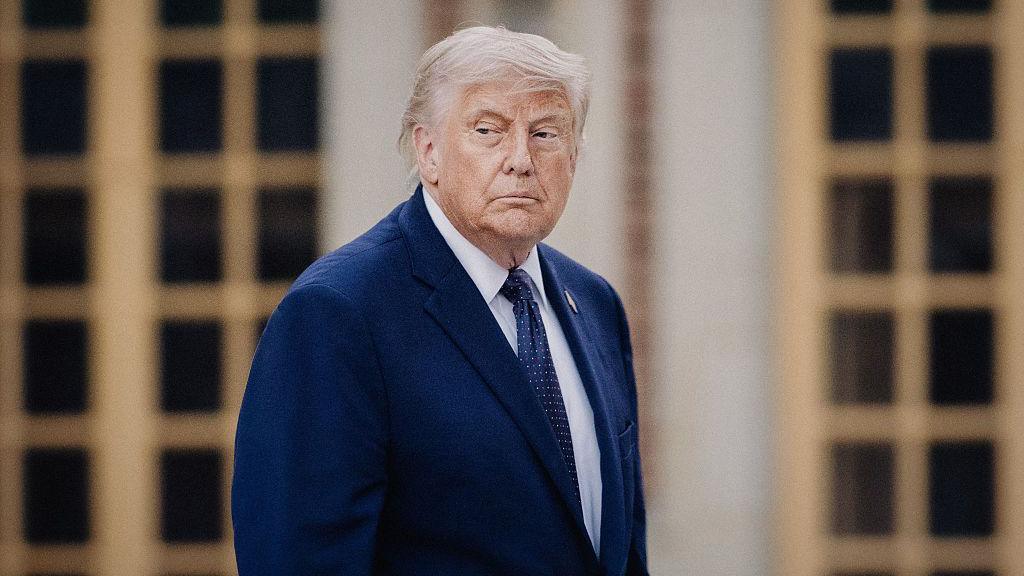
Although the KMT has traditionally cultivated warm ties with China, Cheng's eagerness to engage contrasts with the more cautious approach of previous leaders, prompting analysts to speculate on the political implications of her visit. Cheng’s outreach comes amid increasing skepticism regarding U.S. policy in Taiwan, largely influenced by uncertainties stemming from Donald Trump’s administration. Experts suggest that Cheng views this visit as a chance to establish herself as a leader capable of reducing cross-strait tensions.
China continues to regard self-governing Taiwan as a breakaway province, with domestic sentiment in Taiwan leaning towards a separate national identity. Despite the delicate balance of relations with China, the U.S. remains Taiwan’s primary arms supplier, maintaining a challenging relationship with both Taiwan and Beijing.
Cheng's visit also precedes a crucial meeting between Xi and Trump, wherein Beijing may prioritize economic discussions over cross-strait tensions. For the KMT, Cheng’s diplomatic gestures may yield political advantages ahead of Taiwan’s upcoming local elections, offering a platform to counter President Tsai’s policy towards China.
Despite her efforts to be seen as a peace builder, Cheng’s accommodating stance towards Beijing is perceived unfavorably by some within Taiwan, who view her as an opportunist. As she navigates the complex political landscape, questions remain regarding the true beneficiaries of her diplomatic overtures.